SEARCH


EMPA and the University of Geneva have outlined unexpected scenarios to reduce energy imports and diversify renewable sources
More heat pumps in buildings and more electric cars on the road will lead to a significant increase in electricity consumption in the future.
To meet this growing demand, Switzerland depends, like many other states, on electricity imports, which however often have a large carbon footprint, for example because they come from gas or coal-fired power plants.
Researchers from EMPA and the University of Geneva have conducted a new study, which outlines unprecedented scenarios for reducing electricity imports and diversifying the expansion of renewable energies.
Switzerland's “Energy Strategy 2050″ is already in full swing
Zero emissions by 2050: from fossil fuels to electrons
Switzerland's goal is in fact to be "climate neutral" by 2050; in other words, to completely eliminate greenhouse gas emissions.
To achieve such a great result, the process involves the replacement of fossil fuels with electricity: in mobility the use of electric vehicles and for buildings certainly heat pumps.
Today, in the Swiss cantons, most of the electricity used comes from nuclear and hydroelectric power plants. All low carbon footprint technologies.
However, if we look at Europe, the situation certainly appears different: according to data reported by the Swiss Federal Laboratory for Materials Science and Technology, fossil fuel power plants for the production of electricity are responsible for about 25 percent of total CO2 emissions.
To date, in fact, Switzerland still depends on imports from neighboring countries. The share of energy currently imported is in fact around 11 percent.
“If we want to keep the CO2 impact of the Swiss energy mix low”, explain from the EMPA, "We need to take a closer look at these imports."
Until now, estimates of greenhouse gas emissions have been based on average values.
In research conducted by the Swiss Federal Laboratory for Materials Science and Technology and the University of Geneva, imports were analyzed on an hourly basis and simultaneously included direct and indirect CO2 emissions in electricity generation.
While domestically produced electricity causes around 40 grams of CO2 equivalent per kilowatt hour, the average of the entire Swiss electricity mix, including imports, is around 108 g, according to this study.
“At peak times, it can reach up to 600 grams”, says Martin Rüdisüli of EMPA's Urban Energy Systems Laboratory.
Magnetic Fusion: Recreate the energy that powers the stars
A substitute for nuclear energy, albeit a bit volatile at first
Due to increasing electrification, researchers expect an additional electricity demand of around 12 terawatt hours (TWh) per year.
This represents a good 20 percent more than we consume today.
“On the other hand, we also have to replace nuclear energy, given that the Federal Council plans to phase it out”explains Elliot Romano of the Department of Environmental and Aquatic Sciences at the University of Geneva.
The process of substitution will take place with renewable energies, which however are much more volatile (in summary, they do not occur at a constant rate) and therefore, in turn, significantly influence the quantity and timing of electricity imports.
Starting from these concepts, the researchers then examined different hypotheses to understand how to "compose", in the future, the Swiss electricity mix in order to reduce imports and, consequently, to eliminate greenhouse gas emissions related to electricity .
The study shows that the share of electricity imported into Switzerland will in any case increase and thus also the CO2 emissions.
However, the growing electrification of heat and mobility will lead to up to 45 percent lower greenhouse gas emissions in the country's entire energy system.
A full of energy from the excitement of… colored molecules
With wind power and Power-to-X, one season a year is less… cold
In winter, Switzerland will continue to depend heavily on electricity imports due to lower yields from photovoltaics.
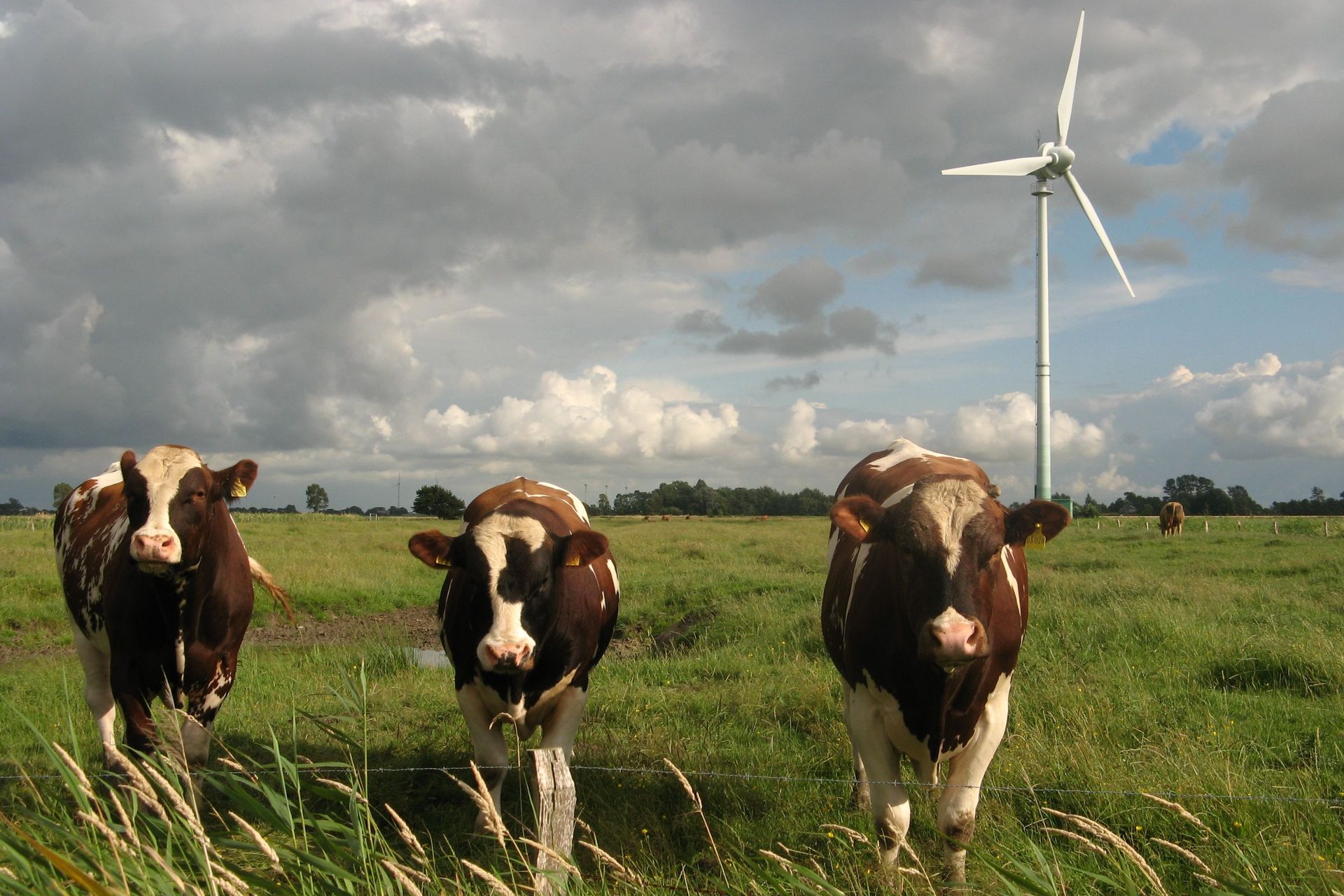
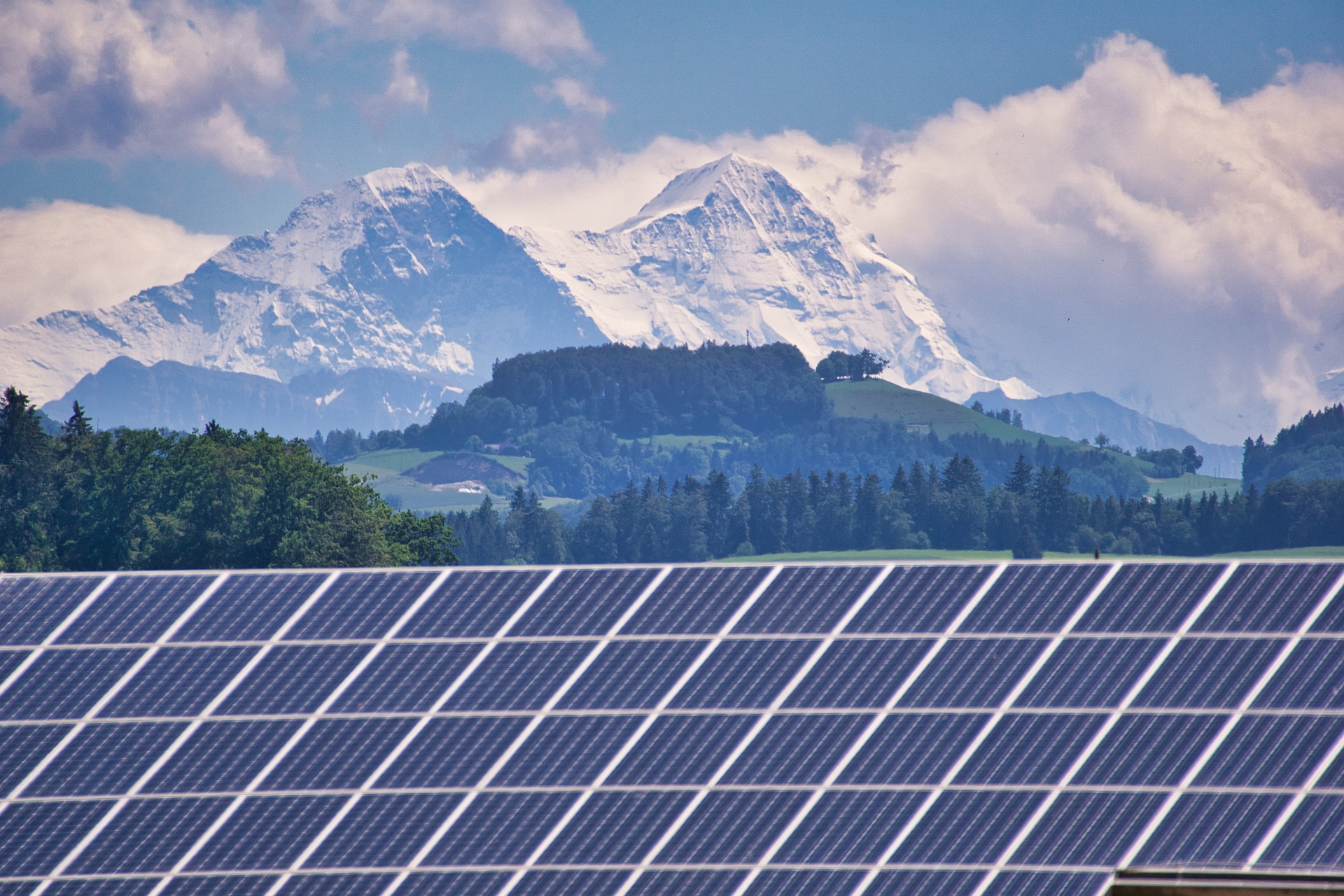
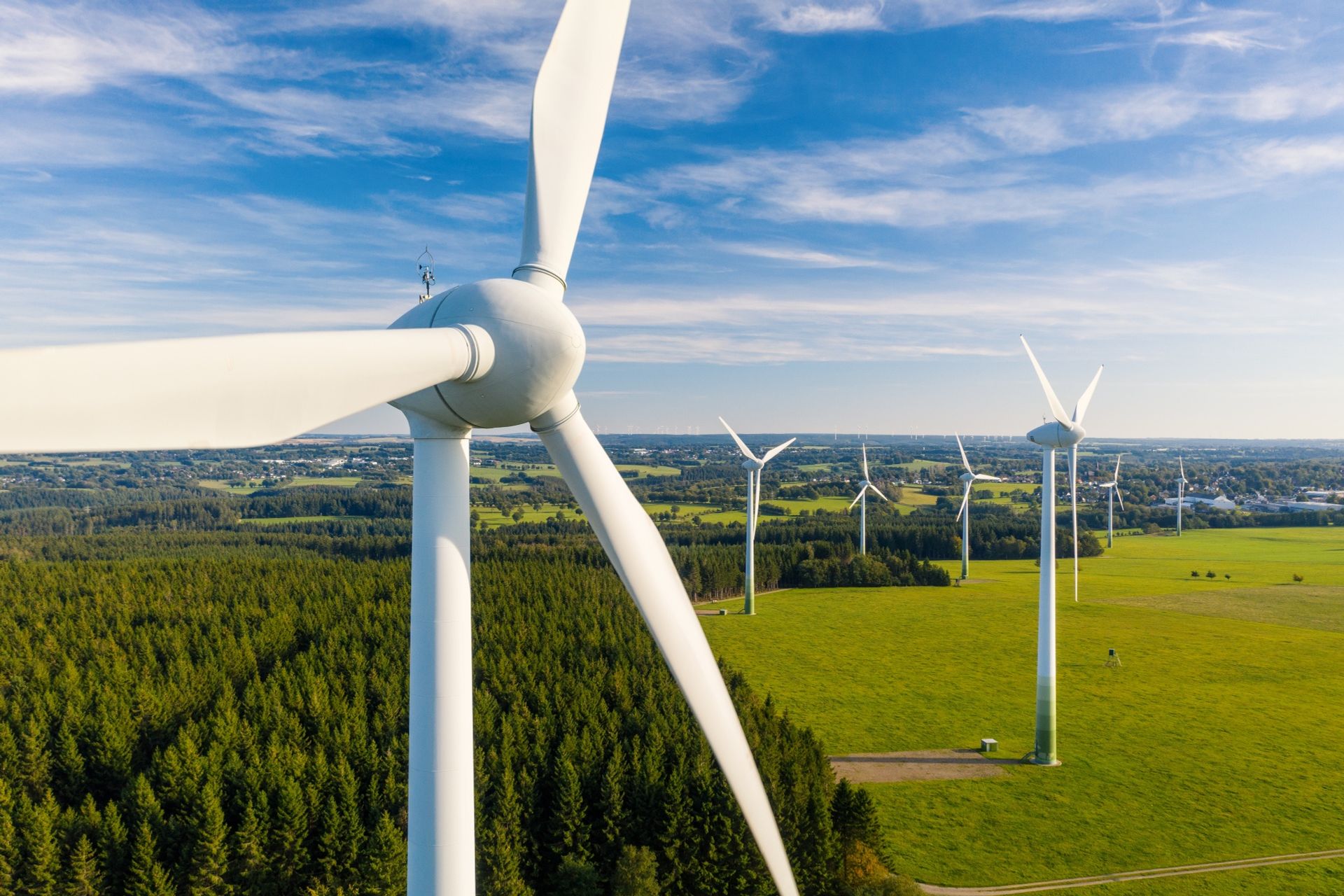
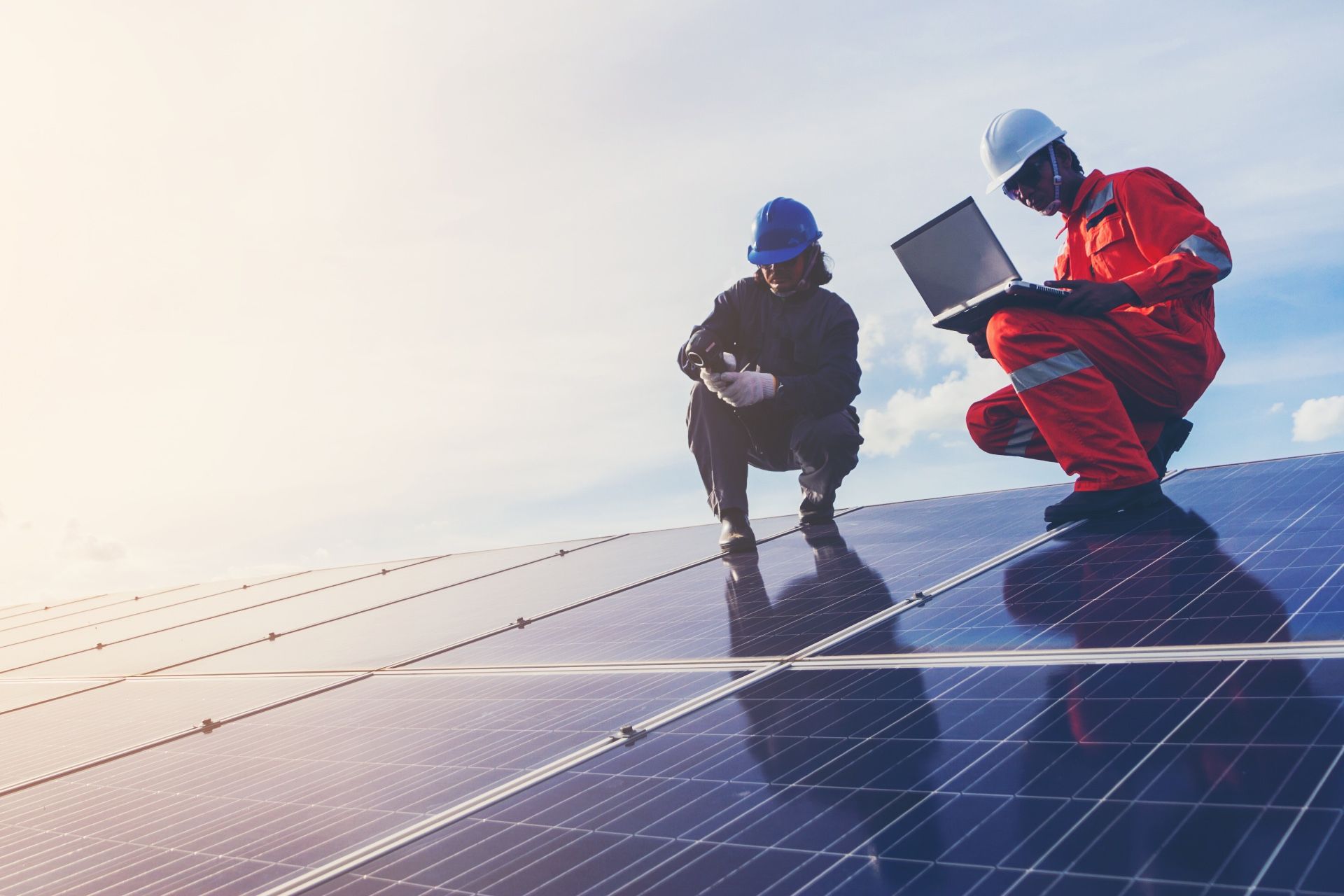
The best prospect shown by the EMPA researchers, in terms of emissions reduction, therefore foresees not only an expansion of solar energy from 2,7 TWh to 25, but also a very high share of wind energy (about 12 terawatt hours from current 0,1 TWh).
“Wind energy mainly matures in winter and at night”continues Rüdisüli from EMPA. “In those times, it can help us reduce our dependency on imports.”
The authors of the study therefore imagine seasonal energy storage, which will become the biggest challenge in the coming years.
According to this research, large electricity surpluses are expected in the summer with the strong expansion of photovoltaics.
These surpluses will then, in winter, be transferred to Power-to-X technologies, which will convert the electricity surplus into storable chemical energy carriers, such as hydrogen or synthetic methane, and into thermal storage systems such as the resulting energy from the heat.
Transmutation is the new "green" frontier of nuclear power
[vc_gallery el_id=”gallery-129332″ type=”carousel” random=”yes” medias=”806471,806470,806469,806468,806467,806466,806465,806464,806463,806462,806461,806460 1″ carousel_lg=”1 ″ carousel_md=”1″ carousel_sm=”3″ gutter_size=”3000″ media_items=”media|lightbox|original,icon,description” carousel_interval=”400″ carousel_navspeed=”0″ carousel_nav=”yes” carousel_nav_mobile=”yes” stage_padding=”50″ single_overlay_opacity=”2″ single_padding=”229483″ uncode_shortcode_id=”2022″ title=”The graphics supporting the study “Decarbonisation strategies for Switzerland considering greenhouse gas emissions embodied in electricity imports; energy policy ” (XNUMX) by Martin Rüdisüli, Elliot Romano, Sven Eggimann and Martin K. Patel”]