


 SEARCH


Large-scale experiments between Copenhagen Atomics, a well-known developer of innovative nuclear power plants, and the Paul Scherrer Institute research center

(Illustration: Copenhagen Atomics)
Copenhagen Atomics, a developer of molten salt reactors, and the Paul Scherrer Institute, the largest Swiss research institute for natural sciences and engineering, have signed a large-scale experimental collaboration agreement. The aim of this experiment is to validate the technology and provide valuable experience to the partners in the design, construction, licensing, operation and decommissioning of the new molten salt reactor technology, as well as to collect data for commercial implementation and open data in the validation of reactor modeling tools.
Molten salt reactors (MSRs) use molten fluoride salts as the primary coolant, at low pressure. They can operate with fast or epithermal neutron spectra and with a variety of fuels.
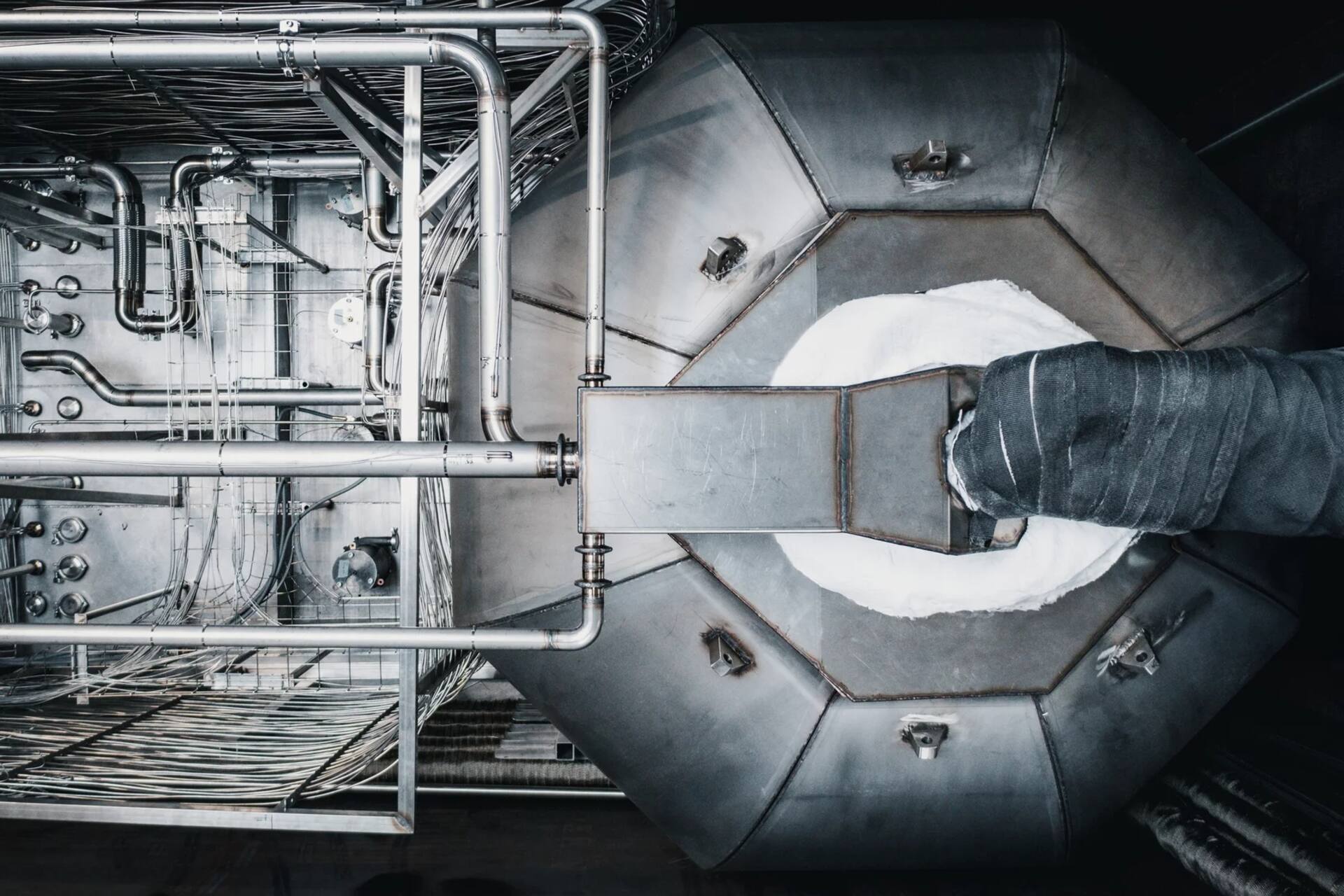
Copenhagen Atomics is developing a containerized molten salt reactor. Moderated with unpressurized heavy water, the reactor consumes nuclear waste while generating new fuel from thorium. The device is small enough to be mass-produced on an assembly line, with a thermal output of 100 MegaWatts. Specifically, molten salt reactors actually run on fluorine or chloride salts. Copenhagen Atomics is able to provide both at very high purity, helping the user solve most of the various corrosion problems.
(Photo: Copenhagen Atomics)
From Thorium the Only Breeder Reactor in the Thermal Spectrum
Much of the current interest in reviving the Molten Salt Reactor concept is related to the use of thorium (to generate fissile uranium-233), where an initial source of fissile material such as plutonium-239 is needed. There are several design concepts for MSRs, and a number of interesting challenges in commercializing these devices, particularly if they are to be operated on thorium.
Characterized as a chemical element with the atomic number 90 and the symbol “Th”, thorium is a radioactive actinide metal and is one of only two significant elements in the periodic table that are still found radioactive in nature in large quantities as a primordial element, in analogy with uranium.
For the record, thorium was discovered in 1829 by Norwegian priest and amateur mineralogist Morten Thrane Esmark, and later identified by Swedish chemist Jöns Jacob Berzelius, who named it after Thor, the Norse god of thunder.
Thorium is the only element that allows for a fast breeder nuclear reactor in the thermal spectrum. This means that the energy output per kg of fissile stockpile can outperform any other reactor. This is a crucial element to take global nuclear production to double-digit TeraWatt levels in the coming decades.
Aslak Stubsgaard and Marco Streit's optimism in unison
“We are very excited to be working on advancing molten salt reactor technology with PSI, which has the world-class expertise, experience and facilities to conduct large-scale nuclear experimental work.”,
said Aslak Stubsgaard, CTO of Copenhagen Atomics.
“Personally, I am very happy that Copenhagen Atomics has decided to collaborate with us at the Paul Scherrer Institute to demonstrate the feasibility of their vision at our institute.”,
he added Mark Streit, Head of the PSI Hot Laboratory.
The collaboration agreement will initially last four years and will position Europe at the forefront of the field of advanced reactors.

(Photo: Copenhagen Atomics)
The energy future made-in-Denmark in a 40-foot container
Copenhagen Atomics has been developing its special reactor technology for nearly a decade and has matured it to the point where critical experimental testing of molten thorium salts is needed. The company, based in Kastrup, near Copenhagen Airport, is already producing and testing full-scale test reactor prototypes at its facility along with dozens of small-scale circuit tests and salt production.
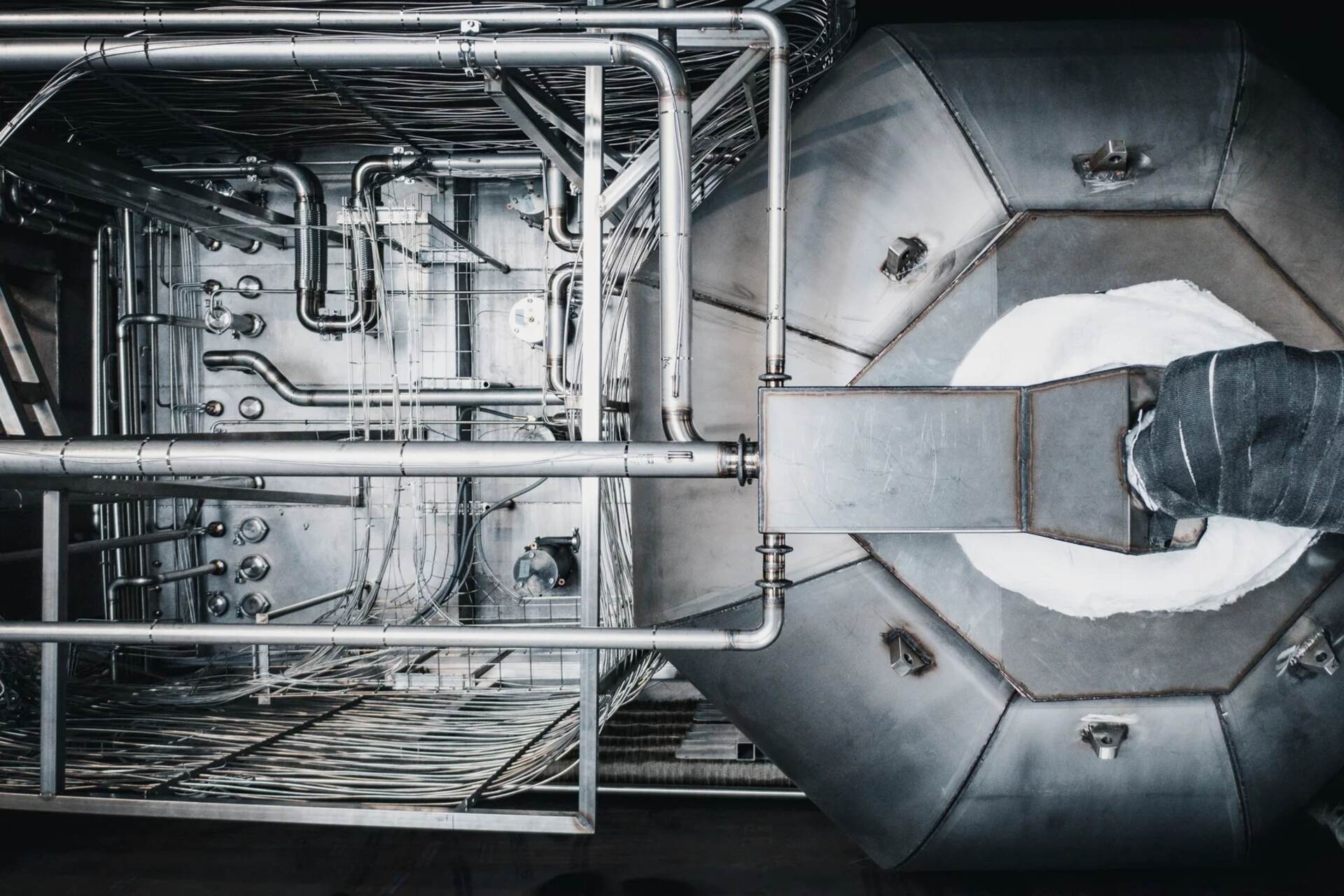
Copenhagen Atomics' molten salt reactors use lithium, thorium and low-enriched uranium fluoride as reactor fuel. The first Danish-made reactor was 3,5 metres high, 2,4 metres wide and 6 metres long. It takes up the same space as a standard 20-foot shipping container. They can be manufactured in factory modules the size of a 40-foot container, twice the size of the prototype, with the long-term goal of commercial thorium molten salt breeder reactors with a levelised cost of energy (LCOE) electricity price of around US$20 per megawatt hour (MWh).
This is a unique project, because Copenhagen Atomics has invented a new type of reactor, the examples of which are several orders of magnitude better than the classic ones, called light water reactors. The Danish reactor is therefore based on thorium, heavy water and molten salt. It can burn nuclear waste and can be mass-produced, a circumstance that could truly give life to a new energy era.
From HotLab PSI an exceptional know-how on radioactivity
PSI is the largest research institute for natural sciences and engineering in Switzerland, conducting cutting-edge research in four main fields: future technologies, energy and climate, health innovation and the foundations of nature.
The Paul Scherrer Institute develops, builds and operates large and complex research facilities and is the Swiss centre of excellence for nuclear energy research and safety. The Institute operates a unique infrastructure at its dual site in Villigen and Würenlingen in the canton of Aargau, namely the HotLab, which is well equipped for work and research on radioactive materials.
Based on its facilities and know-how in nuclear safety, future reactor concepts, related fuel cycles and nuclear waste management, PSI looks forward to a valuable collaboration with Copenhagen Atomics to help shape the future of the planet.
Images of Copenhagen Atomics' first MSR reactor
Molten Salt Products Explained by Copenhagen Atomics
Here are three insights that might interest you:
ISOLDE, a step forward towards an innovative nuclear clock
Transmutation is the new "green" frontier of nuclear power
Google's AI to regulate nuclear fusion plasma
(Photo: Copenhagen Atomics)


