


 SEARCH


At the Polytechnic University of Milan to understand the advantages, implications, possible synergies and possible decays of Artificial Intelligence…
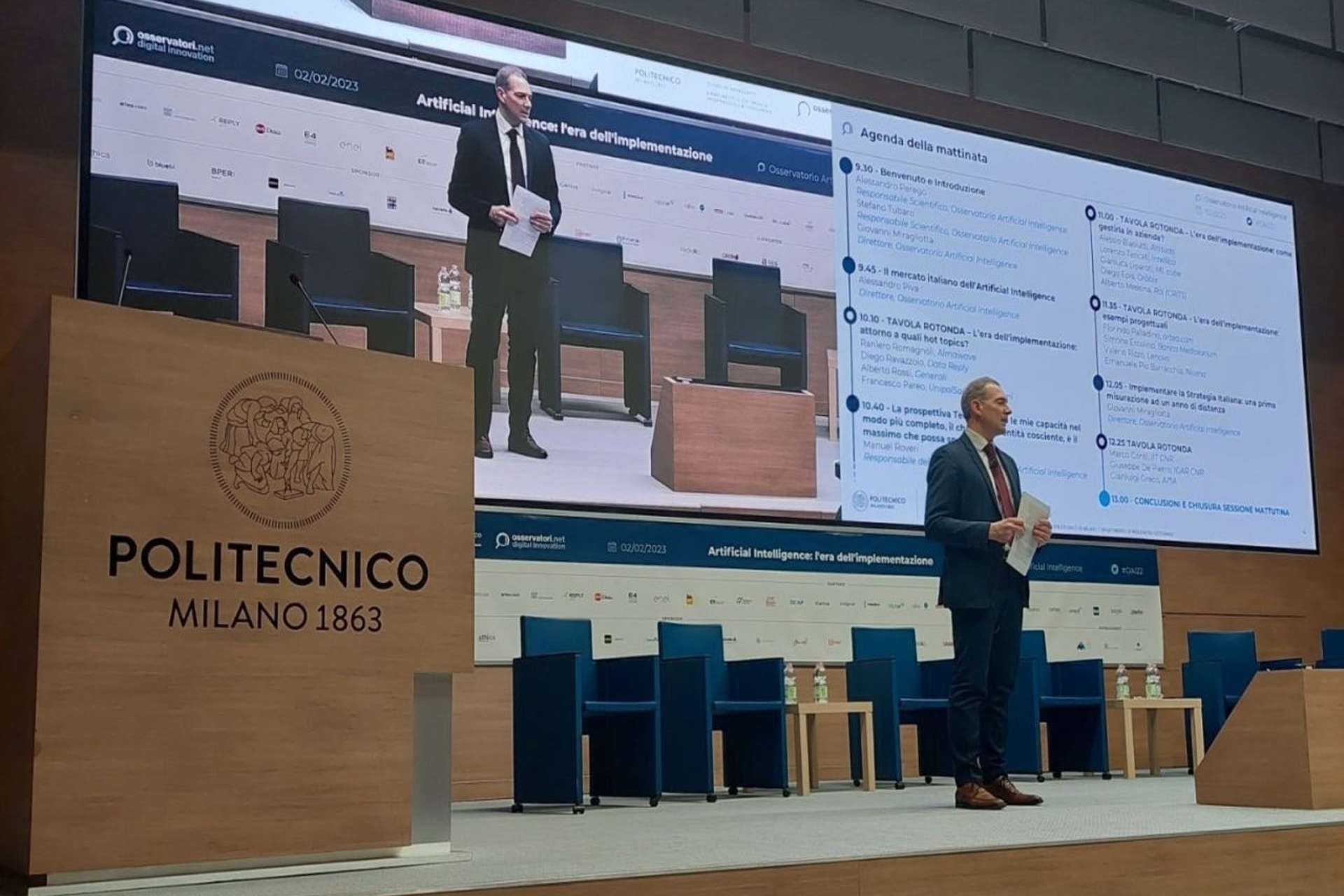
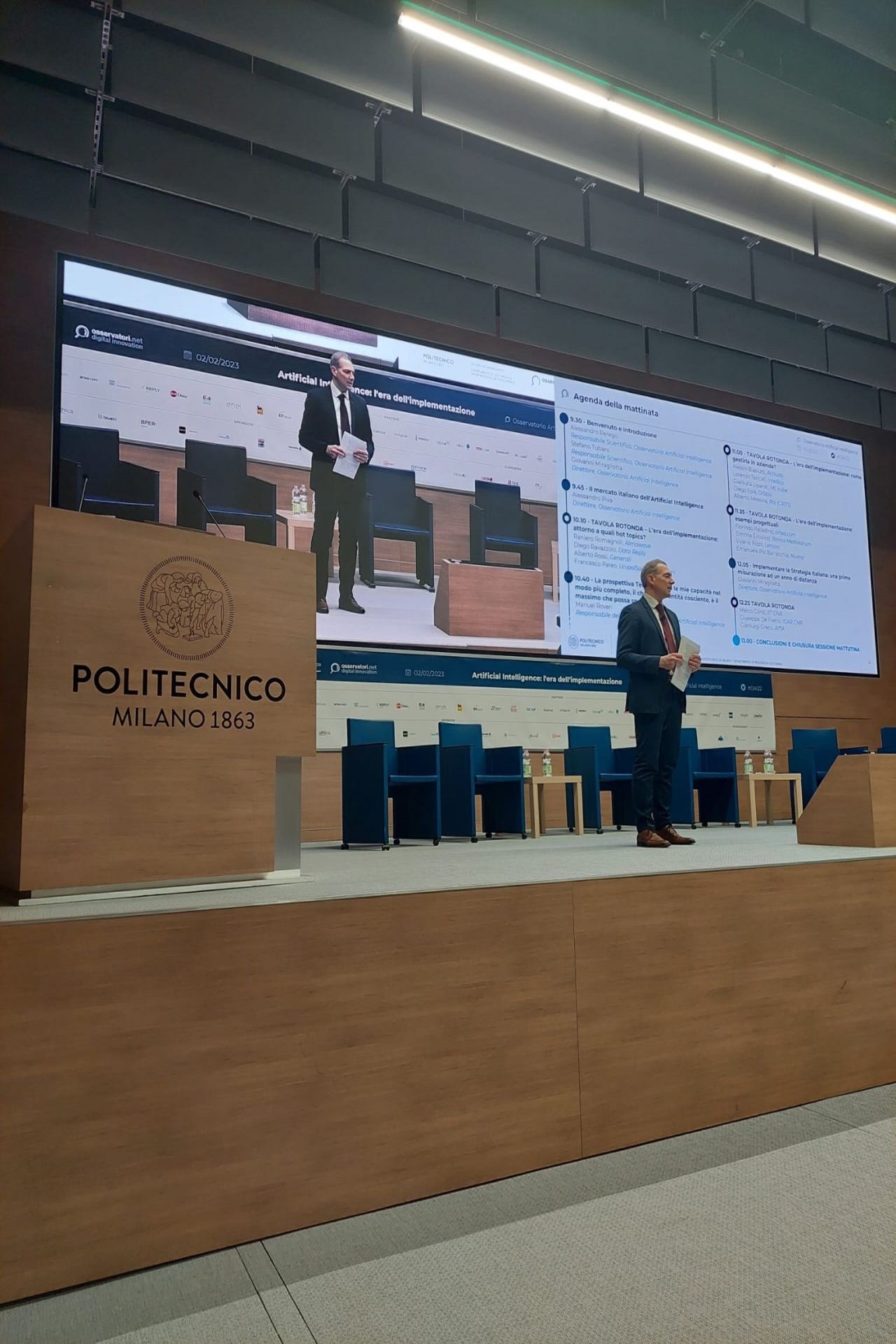
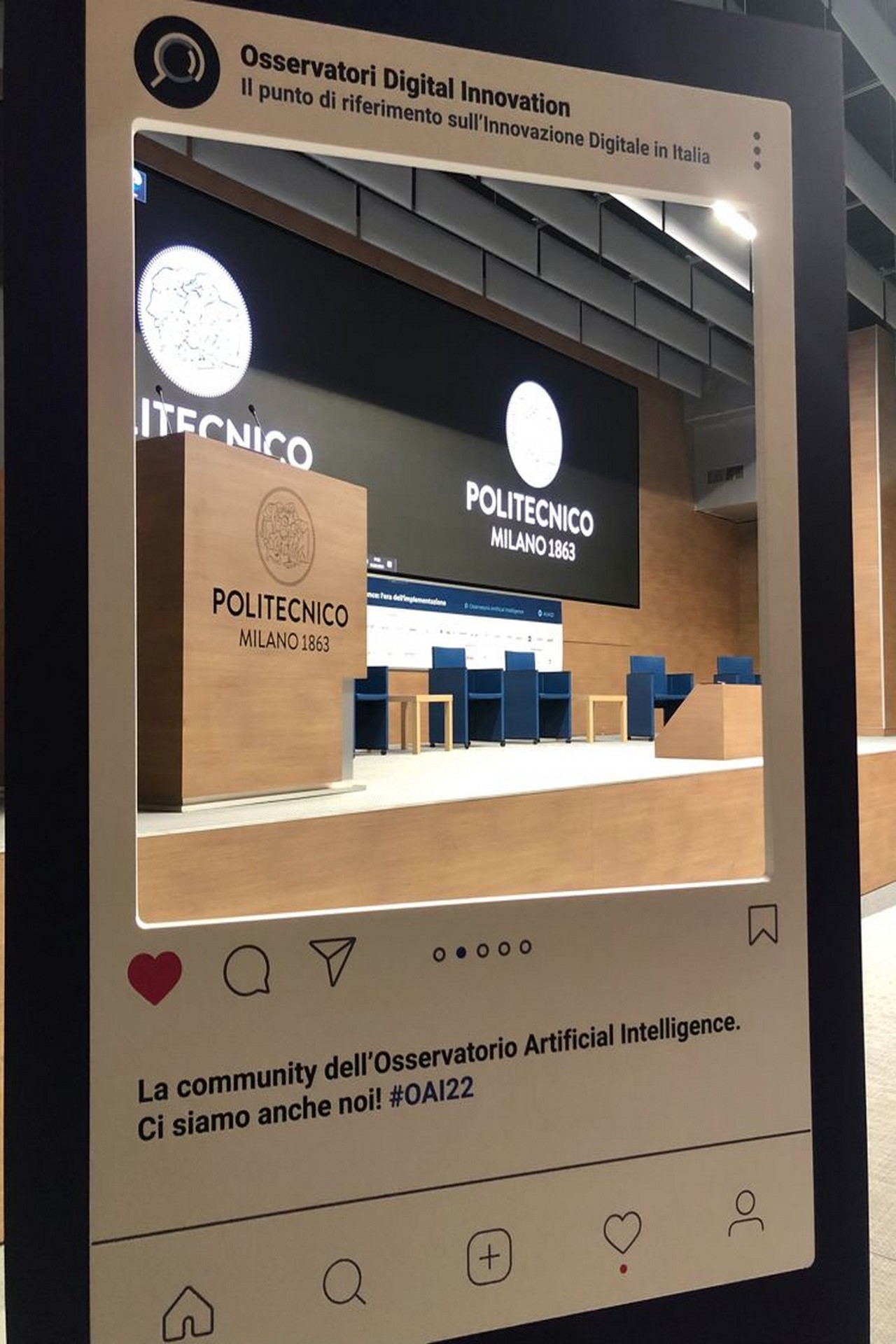
To try to understand the real advantages, implications, possible positive synergies and possible declines of Artificial Intelligence, we started from the results presented during the conference organized on 2 February 2023 by the "Artificial Intelligence Observatory" of the School of Management, in collaboration with the Department of Electronics, Information and Bioengineering of the Milan Polytechnic.
In the last year we have witnessed a growing interest in these technologies which, although not new, are now becoming increasingly widespread and within everyone's reach.
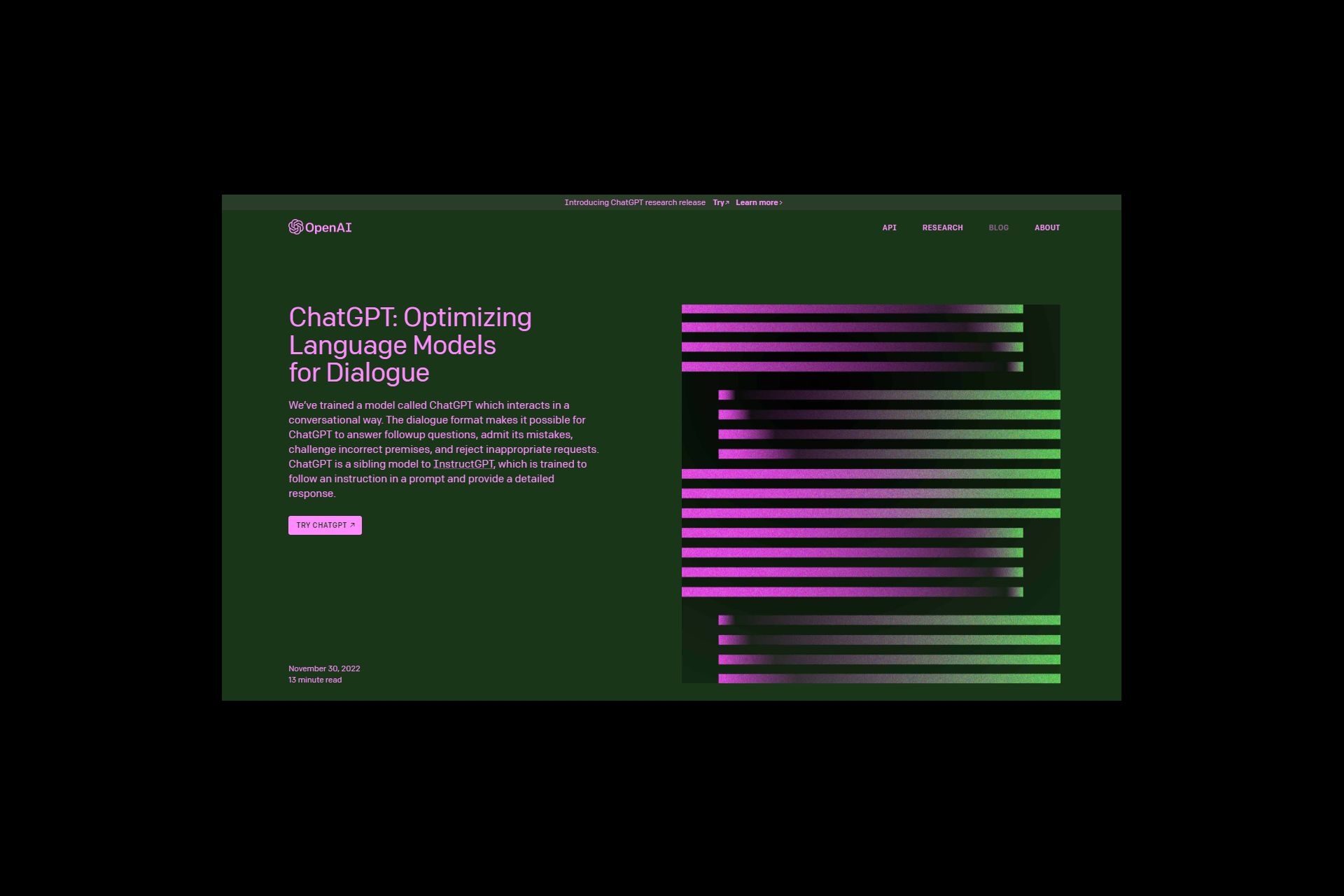
Let's think about the visibility given by ChatGPT, an excellent example of man-machine interaction, or to the indistinguishability of some realistic images generated by DALL-E2.
They have become on-consumer models usable with a browser by a vast layman, where the implementation is completely transparent to the user.
We realize that we are dealing with an important and disruptive technology, even if not of immediate use for some areas.
Artificial intelligence and conflicts in a collection of unpublished essays

Mistrusts remain, particularly in the health and healthcare sector
AI assists human action in many sectors, leading to process efficiency with cost savings and less use of resources.
It gives concrete help to sustainable development and the green transition, as well as relieving operators of repetitive and strenuous tasks.
The implications also affect the behavioral and organizational models of the companies involved (Tech & People).
It is hoped that this will contribute to reducing the gap between the solution provider market and the solutions required by the customer.
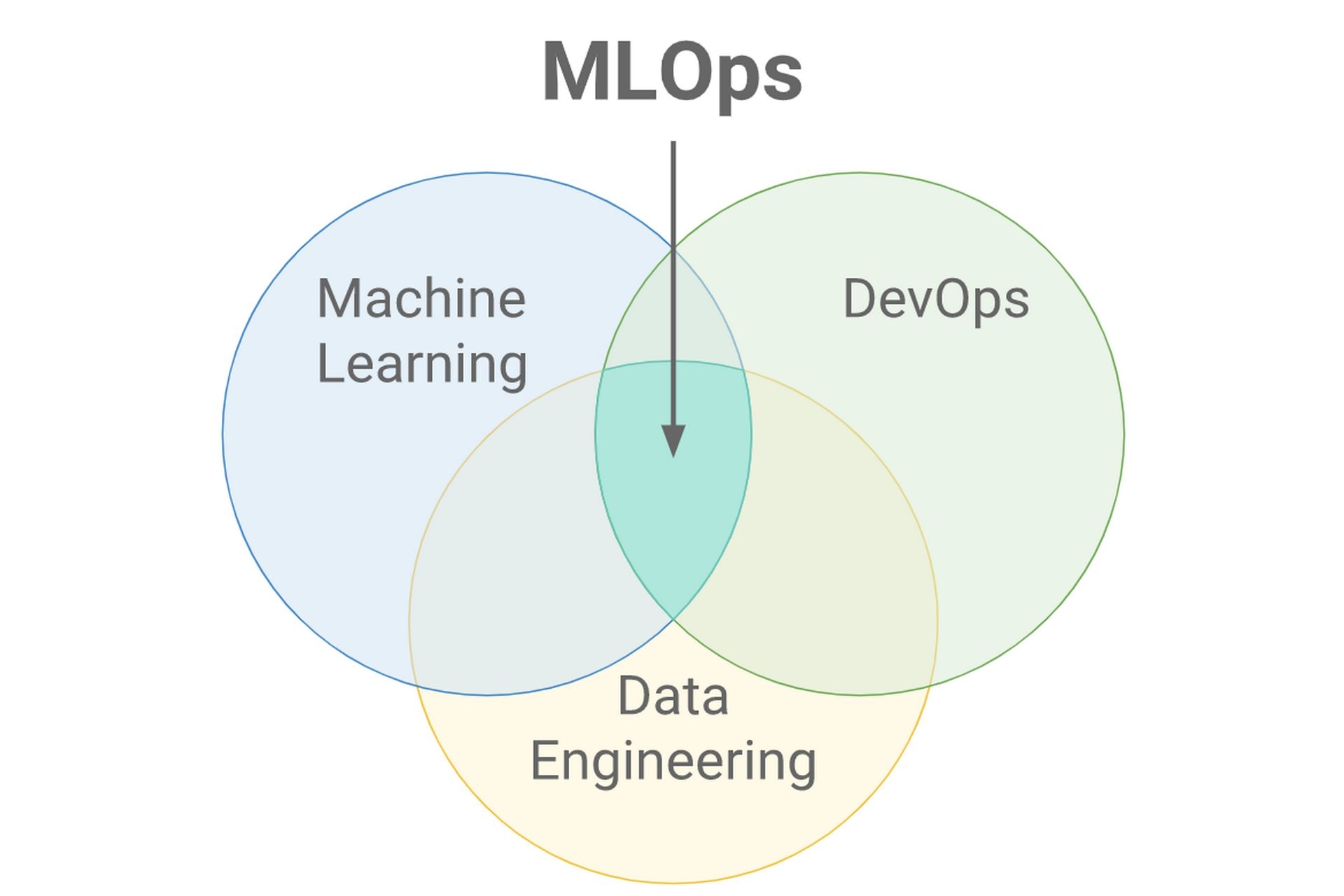
Collaborative practices between data science and IT teams are reviewed to accelerate implementation, then a revisit of Agile and MlOps methods.
All this is accompanied by a growing desire for awareness with the ethical theme always in the background.
ChatGPT: “I, Artificial Intelligence, will explain Innovando.News…”

Research data provides quantitative and qualitative information
As the director of the "Artificial Intelligence Observatory", Alexander Piva, the research starts from the laboratories, but is aimed at three main subjects:
1) the general public, and a famous example is given to us by ChatGPT which reached one million users in five days (Instagram took seventy-five days for the same result);
2) the institutions, since the European Union, building on the ethical principles established in 2019 (human intervention and surveillance, technical robustness and security, data privacy and governance, transparency, diversity without discrimination and equity, social and environmental well-being, accountability), approved the "Artificial Intelligence Act" in April 2021, which provides a risk-based approach to solutions;
in September 2022 the "AI Liability Directive" was arrived at, which deals with the responsibilities for possible damages caused by the use of artificial intelligence applications;
finally, together with the EU plan, the National Plans are in place, for example with the aim of cultivating talents, strengthening research and reducing its fragmentation, developing aReliable and human-like AI;
3) businesses, with their experiments and projects.
Internationally we have an adoption rate in AI projects of 56 percent, whose investment volume is 93,5 billion dollars.
More efficient genetic repairs with Artificial Intelligence
Those 500 million euros in the Made in Italy ofArtificial intelligence
In Italy, investments went from 380 million euros in 2021 to 500 million euros in 2022 (plus 32 percent).
We see these 500 million euros broken down as follows:
a) Data Processing (above all internal company forecasts) for 34 percent; b) Language AI (NLP Natural Language Process and ChatBot) for 28 percent; c) Recommendation system to assist and facilitate customer experience for 19 percent; d) Computer Vision, for example for quality control, for 10 percent; e) Intelligent RPA, therefore re-engineering and process automation, for 9 percent.
Out of a panel of 174 large companies, 61 percent have started AI trials and of these, 54 percent manage to scale up in concrete projects.
With regard to SMEs (statistical sample of 541 companies), only 15 percent develop AI.
The gap between GI (Large Enterprises) and PMI (Small and Medium Enterprises) can be explained by budget problems and low level of digitization.
From Artificial Intelligence a decisive boost to cryptocurrencies?

The critical issues that have emerged and the challenges that await all AI consumers
Enterprises are looking to leverage AI in automated processes to improve accuracy and speed.
They pursue this goal by striving to find external skills or create them inside.
The main challenges are therefore to train or find future leaders, focus on the convergence of technologies to reinforce the correctness of the algorithms' answers and, finally, increase the precision to avoid the increase in costs due to the intervention of personnel.
We can identify at least four critical issues: 1) the normal distrust in entrusting decisions to AI algorithms in the medical field or in critical mission contexts; 2) the costs due to the implementation of the change; 3) the need for well-structured data; 4) the awareness of adopting intrinsically static tools, frozen in time, not very "adaptive" to new contexts and specific needs.
Thus Artificial Intelligence at the service of Sauber Alfa Romeo
The possible solutions for the ChatGPT system and its possible drifts
Taking the example of ChatGPT, we cannot expect it to provide us with correct answers in terms of logic, being designed for something else.
How to remedy these drifts?
We focus on research and development preparing ourselves for a lot of engineering work. We adopt approaches oriented towards maximum openness.
The challenge is to focus on adaptive models, on greater automation of learning in order to cover the evolution of needs.
One of the main objectives is to make the world of research and industry intersect.
The challenge is the development of new meeting protocols and processes that facilitate the intersection between research and users.
We come to some examples also in relation to the need for greater trust.
Let's think about data mining, when AI algorithms meander in Big Data (Not Only SQL Data Base System), to capture and process our electronic traces we should consider the ethical aspect regarding data confidentiality.
AI is increasingly present in e-procurement processes (analysis of documents, ISO certificates, DURC, etc.) to mitigate the risk of error.
Michael von Liechtenstein on geopolitics and artificial intelligence

Some examples of AI applications in the legal and mobility sector
Florindo Palladino, CTO of Artea.com he presents us very well a concrete case of a legal nature.
There is fear of the need for a customer to develop tasks for the control of 10.000 contracts regarding their adherence to some clauses.
Without systems AI an expense of a few million euros would have had to be faced with epochal times and 1300 days of man-cost.
The step-by-step solution is as follows:
1) transformation of paper and photos via OCR into compatible text;
2) indexing of contents on the "search engine" model;
3) adoption of NLP Natural Language Processing algorithm;
4) inside the environment the documents are processed with the list of definitions of the violation of clauses provided by human lawyers (comparison of the semantics);
5) production of an evaluation rank of the clauses in violation (Low, Medium or High risk).
Ultimately: we relieve ourselves of the commitment to read 10.000 contracts. We could define it “intelligent use ofArtificial intelligence".
As always, the problem is not the technology, but a use “common sense” it helps to contextualize and materialize added value.
Il Valerio Rizzo, EMEA Head of AI of Lenovo, reports a case of implementation of urban aerial mobility.
The application areas are the most varied: public transport, emergency transport, delivery of commercial goods.
In that case theAI deals with the mapping of flight corridors by monitoring non-collaborative obstacles, let's think of birds (integration of research in the biological field).
Yet another excellent example of these technologies impacting across the board.
The main challenges of this implementation: adopt machine learning systems with infrastructures that solve latency problems in real-time response; find similar data center allocation spaces close to the data source so as to develop robustness and sustainability of data intrusion.
In fact, the interruption of mission critical services must be avoided.
Here's how Google's Artificial Intelligence wins every challenge

The Italian strategy to apply technology in the best possible way
We hope for an evolution with a framework of rules and with systems that learn to learn in a dynamic, adaptive and agent way.
Professor John Miragliotta, director of the "Artificial Intelligence Observatory", shows us how the Italian strategy is implemented, also through the use of indicators.
The aim is to align with the other European partners and incorporate the innovations in the post-pandemic context.
The approach passes through the consultation of three Ministers of the State, is inspired by principles of collaboration and territorial inclusiveness and takes into account the limits of the country in terms of digital innovation.
The objectives remain essentially five: 1) to increase the innovation and development of AI technology; 2) strengthen research and reduce its fragmentation; 3) create, attract and retain researchers; 4) develop a human-centric and reliable AI; 5) develop services in the Public Administration field.
Lights and shadows of the Italian strategy: there is good scientific production and good growth in the private sector, funding is in line with the plan.
The Director explains to us the fact that "the main criticalities remain the delay in PhD and technical training".
Many government datasets are of limited use.
Finally, there is a delay in the protection of intellectual property.
A prime example of OpenAI's ChatGPT limitations, which should compete with the agent of Artificial Intelligence. of Google Bard, is described to us by the director John Miragliotta: “… one of the features they boasted unlike ChatGPT was a riddle… in a room there are three women who have just given birth, two fathers arrive, how many people are there in the room? ChatGPT does not answer this riddle, the Google machine, according to Google itself, yes. I asked my son the same question and he said: 'it depends if they gave birth to twins or not'. My son is even a little smarter!”.
Artificial intelligence to decipher the mysterious Cypro-Minoan
An in-depth study of the issues of "awareness and the environment"
Let's delve into the topics of AI planning, exploring their typologies and characteristics with the help of the researchers of the "Artificial Intelligence Observatory" of the Milan Polytechnic, doctors Irene DiDeo e Camilla Sorrentino.
As the digital innovator Irene Di Deo reminds us, in addition to the quantitative discrepancy in the interest shown in AI by GIs and SMEs, there is a differentiation in merit: ” … SMEs often deal with a single class of solutions, perhaps they go to work on structured data or internal data and hardly experiment in other contexts …”.
The propensity of large companies to use internal personnel is also highlighted, while in small and medium-sized enterprises we see more of the action of external drivers (solvers of technological proposals).
With a view to quality dissemination, unlike GIs, it is important to make SMEs aware of the opportunities and limits of solutions that implement AI technology.
By tightening the focus on Large Enterprises, we are exposed to the highest diffusion rate compared to the average of the most widespread classes of solutions: 1) Intelligence Data Processing (65 percent); 2) Computer Vision (42 percent); 3) Recommendation System (35 percent); 4) Chatbots/Virtual assistants (31 percent); 5) Natural Language Processing (27 percent).
“Industries with a higher AI adoption rate fall under the financial world”, the researcher explains again, "therefore insurance, the banking world, the world of energy and utilities and the telco and media world".
In Lucerne there is a new hub for Artificial Intelligence

In the future we expect greater attention "towards the person"
Remaining in the Data Processing class, Irene Di Deo continues: ” …to cite a few examples, in the world of insurance there is a strong interest in the subject of Process Automation, but also in the subject of Fraud Detection. In the banking world, we can mention Customer Service which can be supported by a Chatbot, while for Energy and Utilities we can mention the issue of Smart Grids, i.e. intelligent networks with the possibility of monitoring Assets…”.
Network optimization cuts across various contexts: from utilities to telcos, to name a few.
What are the critical factors determining the success or failure of a pilot project?
The most enthusiastic companies have the ability to scale projects by 60 percent, and in this case the challenge is a lack of skills.
Companies on the way have 14 percent success in realizing projects with difficulty in obtaining data of high quality and quantity.
Looking at the success stories, we notice differences in the project methodologies (Agile and MlOps), in the involvement of internal stakeholders (expert figures in business domains) and in the correct management of their life cycle, in addition to the ability to analyze the impact of the project at 360 degrees.
We can tie theAI to climate change and ask ourselves what use we can have.
Doctor Irene Di Deo concludes the intervention with the question: “How will Generative AI change the application landscape?”.
"Ethics of artificial intelligence", a timeless book
Another very concrete case of using artificial intelligence
We report a concrete case of Customer Journey. John Theophilus Chiarelli di UnipolSAI talks about AI applied to advertising and advertising.
The theme is to efficiently allocate budget across digital channels to optimize conversions and estimate the expected level of sales against different mixes of budget allocations across channels.
The Multitouch Analysis Attribution and Simulation approach uses mathematical models (developed together with MOXOFF), based on the theory of collaborative games, capable of reconstructing the contribution of each channel in user conversion.
Through the data provided by the cookies, the system processes from fifty to seventy million impressions per month.
Technology evaluates and proposes scenarios, as an attribution model has developed that determines what goes into generating a lead.
Definitely an aid to the knowledge of the path taken by the user.
The prospect is to get to do without cookies, given that 60 percent of users do not use them (the model is applicable to 40 percent of cases).
To conclude, as always, the dissemination of quality, experimentation and best practices remain fundamental for spreading awareness towards the companies that evaluate these technologies.
Source: Artificial Intelligence Observatory of the Milan Polytechnic
The “Strategic Program Artificial Intelligence 2022-2024” (Italy)
“Strategic Program on Artificial Intelligence 2022 2024” (Italy)


