SEARCH





Forty years after the disaster, history shows us how power plants, electricity networks and civil memory have become critical European infrastructures.
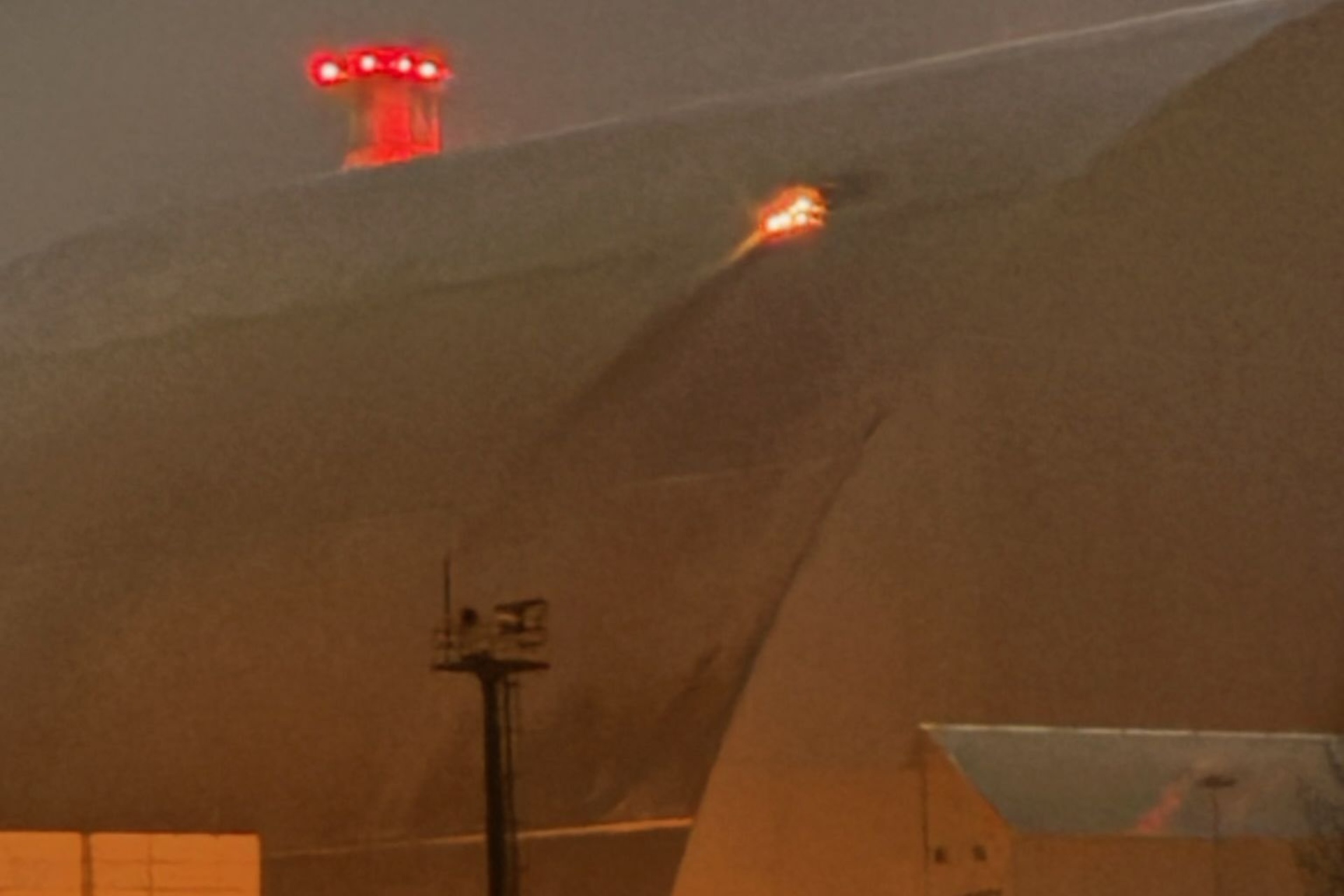
(Photo: IAEA)
Some events do more than simply mark a date. They shift the perception of risk, alter the relationship between technology and society, and force institutions to grapple with the consequences of decisions made far from citizens. Chernobyl, exploded on the night of 26 April 1986, belongs to this category. Forty years after the catastrophe, its significance concerns not only the history of nuclear energy or the failure of Soviet transparency. The war between Russia e Ukraine He brought that place back into the present, transforming it into an extreme case of infrastructural vulnerability, energy security, and political responsibility.
For a long time, Chernobyl was portrayed as the epitome of an industrial accident gone haywire: an exploded reactor, a radioactive cloud, an uninformed population, and a power system incapable of immediately recognizing the scale of the crisis. Today, however, that narrative is no longer sufficient. From 2022, the Ukrainian nuclear issue is no longer limited to the risk of a technical failure, operational error, or opaque emergency management. It also implies the possibility that facilities, storage facilities, sarcophagi, power lines, and specialized personnel could be directly involved in an armed conflict.
This is the transition that makes Chernobyl still relevant today. The 1986 disaster belongs to the industrial twentieth century, to blind faith in state-owned technology and the culture of obedience. Its second life, however, belongs to the twenty-first century: hybrid warfare, drones, sabotage, blackouts, military occupation of civilian infrastructure, dependence on energy networks, and psychological pressure on populations. nuclear safety It's no longer just a topic for engineers or regulators. It's become a question of defense, diplomacy, territorial resilience, and European risk management.


From industrial disaster to geopolitical risk
In 1986, Chernobyl revealed to the world the fragility of a technical system embedded in a closed political system, like the Soviet Union. The problem wasn't just the explosion of reactor 4. It was also what happened afterward: delays, reticence, downplaying the consequences, exposing workers and military personnel to dangers many of them couldn't fully comprehend. A nuclear power plant is never just a facility. It's a complex system made up of skills, maintenance, procedures, public information, a safety culture, independent authorities, and institutional trust.
When these elements fail, technology shows its most vulnerable side. At Chernobyl, hundreds of thousands of people were mobilized to limit the consequences of the accident. Firefighters, technicians, soldiers, and laborers were sent into the contaminated zone to put out fires, remove radioactive materials, demolish buildings, cover surfaces, construct containment structures, and keep a gigantic emergency machine afloat. Many of them were unprepared, lacked adequate protective equipment, and were placed in a situation where individual heroism compensated for organizational failure.
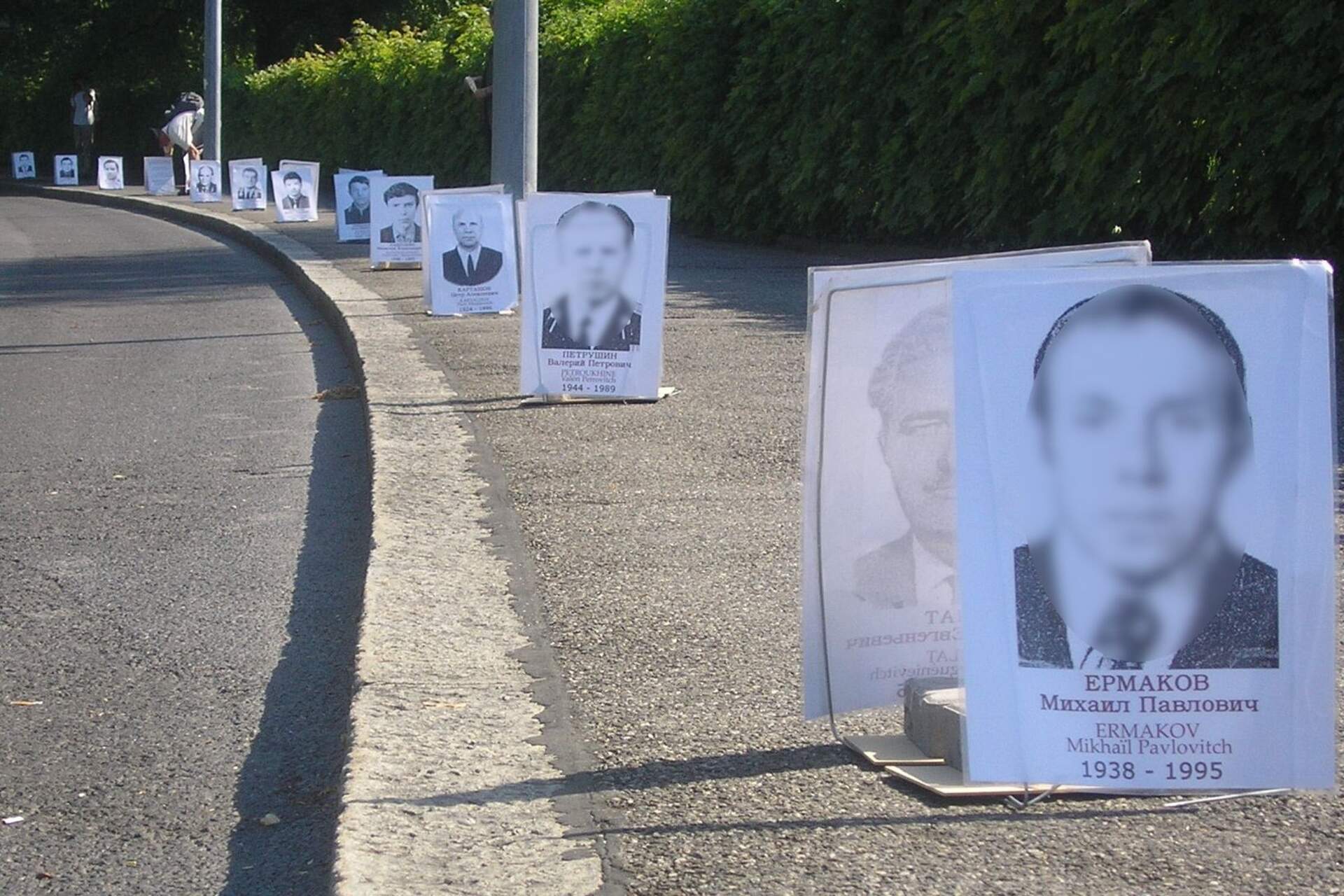
The figure of the liquidators It remains central because it highlights the human cost of managing the damage. Innovation, in that context, did not take the form of a breakthrough discovery, but rather of a long, laborious, and incomplete repair process. Paved roads, soil removed, villages evacuated, contaminated vehicles set aside, animals slaughtered, waste isolated, containment structures built over a destroyed reactor: all of this made up a technological and administrative response that lasted decades.
In 2016, thirty years after the accident, the second sarcophagus appeared as a symbol of international cooperation capable of transforming a catastrophe into a manageable problem. The new containment structure, which cost approximately 1,5 billion dollars At that stage, it represented an extraordinary feat of engineering. But its significance was ambivalent. On the one hand, it demonstrated that the international community could intervene with resources, expertise, and coordination. On the other, it reminded us that highly complex technology can have consequences that require maintenance, oversight, and investment for generations.
According to analysts in the energy and industrial security sectors,
Chernobyl shows that nuclear resilience is not just the physical robustness of a reactor or containment structure. It depends on the quality of institutions, worker protection, information transparency, uninterrupted power supply, the availability of qualified personnel, and the political capacity to recognize a risk before it becomes unmanageable.


2022 has turned nuclear sites into targets
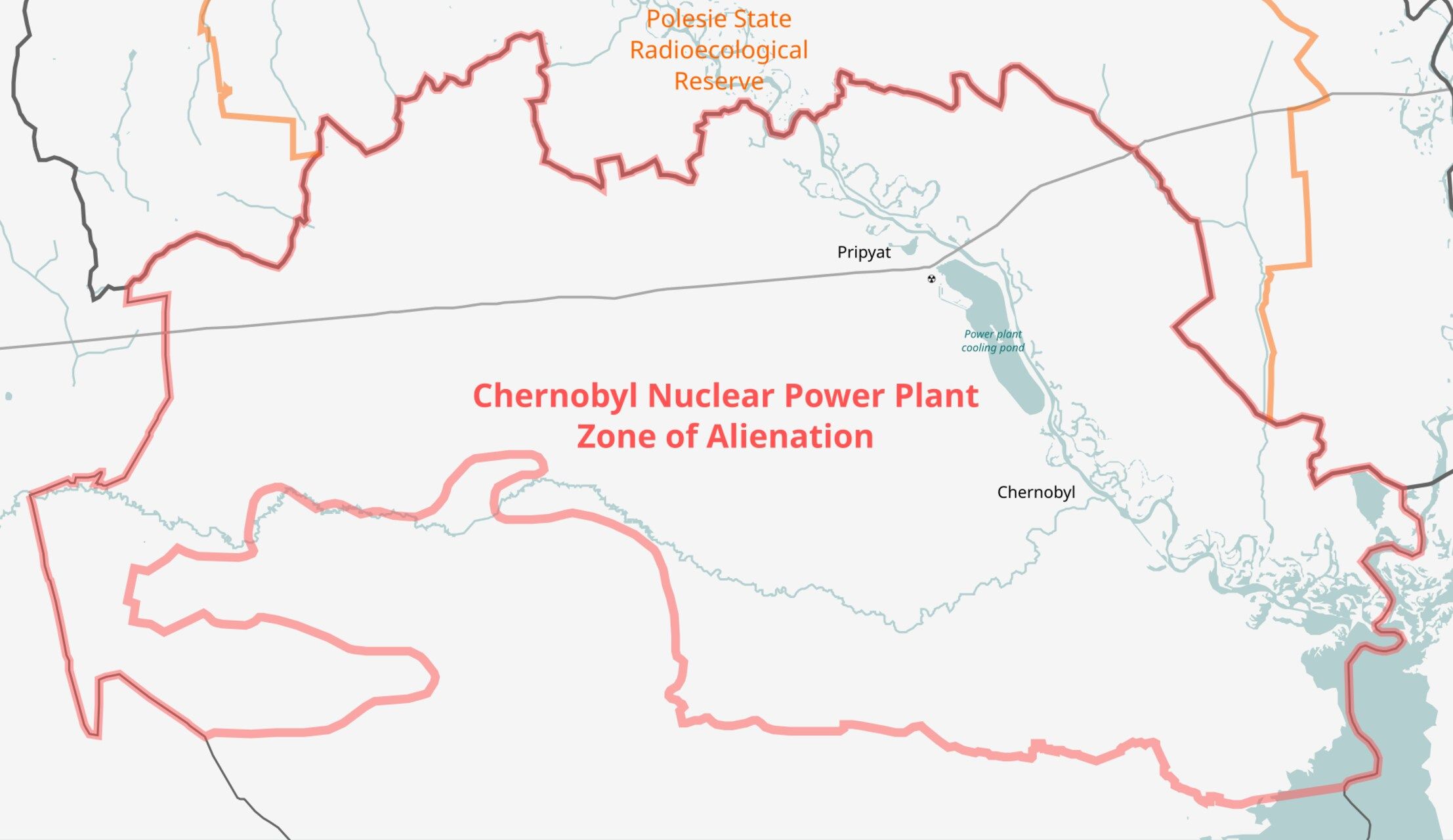
February 24, 2022, marked the beginning of a new era. Russia's large-scale invasion of Ukraine brought Chernobyl back into the operational narrative of the war. The Russian army occupied the exclusion zone and the site of the nuclear power plant, coming from Belarus, to use that corridor as part of the advance toward Kiev. The site built to contain the consequences of a nuclear catastrophe thus became part of a military maneuver. It was a crucial transformation: the infrastructure created to isolate risk was exposed to a new, external and intentional risk.
The problem wasn't just the memory of 1986. Even a decommissioned power plant requires energy, controls, operators, procedures, radiological surveillance, and operational continuity. Spent fuel, storage facilities, and containment structures don't cease to exist because the reactors no longer produce electricity. At a nuclear site, industrial inactivity never equates to technical neutrality. Military occupation, the detention of personnel, and the circulation of heavy vehicles in contaminated areas have shown how a place seemingly frozen in the past can become vulnerable in the present.
War introduced a different category of risk: no longer just the accident, but the military exploitation of civilian infrastructureA nuclear power plant can be used as a shield, a bargaining chip, a psychological pressure platform, or a factor in regional destabilization. It doesn't take deliberately provoking a catastrophe for the danger to become real. It's enough to compromise power lines, prevent staff turnover, restrict inspectors' access, stockpile military equipment near the plant, or obscure the chain of command.
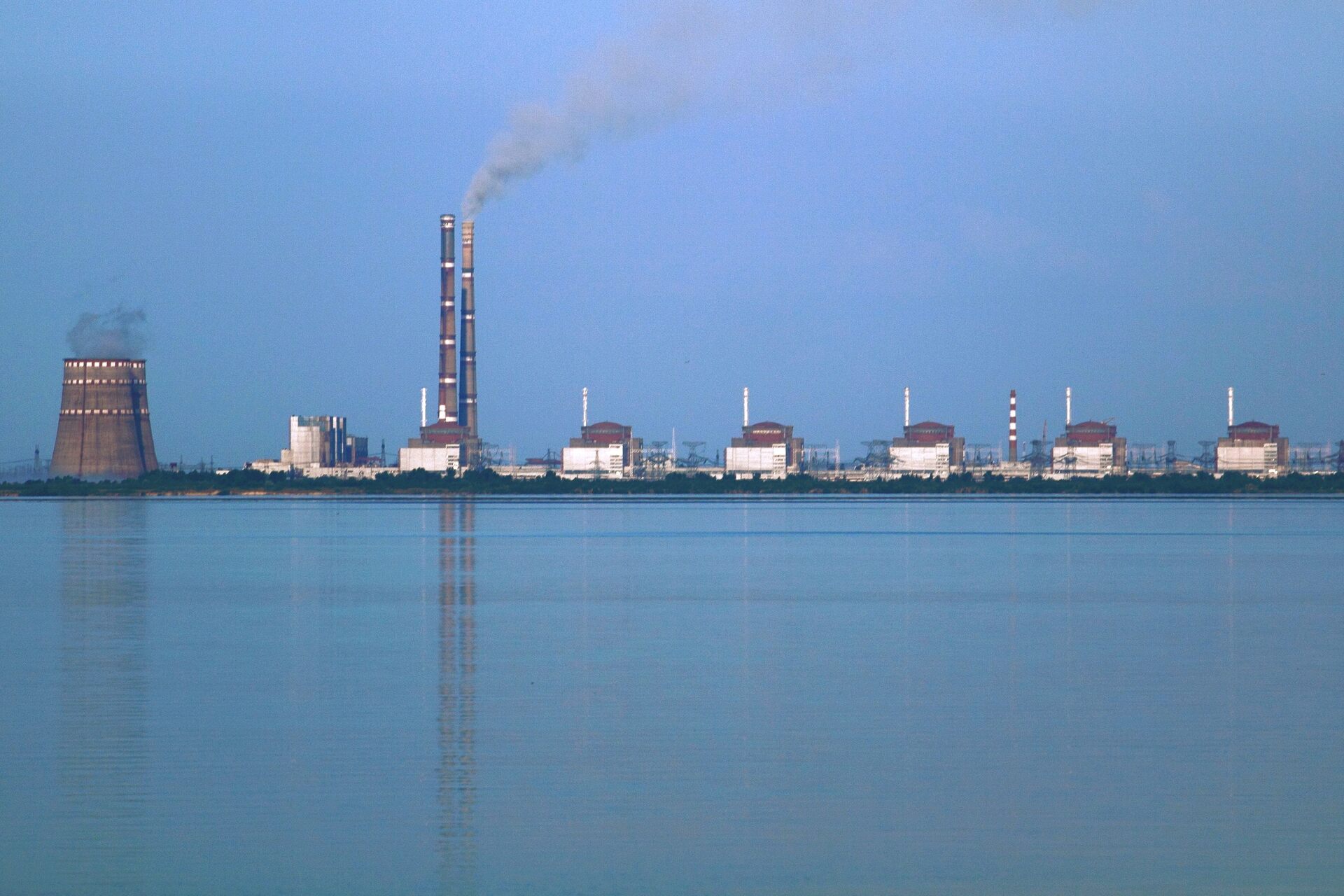
The case of the nuclear power plant Zaporizhzhia, the largest in Europe, confirmed this dynamic even more clearly. After the Russian occupation, the plant remained at the center of a prolonged crisis: deactivated but not insignificant reactors, militarized surrounding areas, staff under pressure, power lines repeatedly threatened, difficult access, and the need for constant international monitoring. The destruction of the Kakhovka dam in 2023 added another element, demonstrating how the safety of a power plant also depends on external infrastructure, such as the availability of water for cooling.


Electrical networks and personnel are part of safety
The war in Ukraine forces us to reconsider a widespread belief: nuclear safety doesn't end with the reactor building. Power plants depend on much broader territorial systems. They require a stable electricity grid, backup power supplies, logistical access, trained operators, functioning communications, water, maintenance, and authorities capable of making rapid decisions. When a country is subjected to systematic Russian bombing of its energy infrastructure, each power plant also becomes a network node exposed to external stresses.
The Ukrainian power plants still in operation, such as Khmelnytskyi, Exactly e Southern UkraineThey play a vital role in the country's supply chain. Under normal conditions, this function would be valued primarily in terms of electricity production, system stability, and reduced dependence on fossil fuels. During wartime, however, their central role becomes more complex. If they are functioning, they contribute to Ukraine's civil, industrial, and health resilience. If forced to undergo sudden power reductions, blackouts, or emergency maneuvers, they can become an additional risk factor.
This is where the European energy debate reaches its most obvious limits. Discussing nuclear power solely as a low-emissions technology is insufficient. Decarbonization is a real priority, but it does not negate the geopolitical conditions in which plants operate. A reactor can contribute to climate stability and, at the same time, require extremely high levels of physical protection, regulation, maintenance, and network defense. The war in Ukraine therefore forces a more mature analysis: the sustainability of a technology concerns not only its emissions, but also its governability in extreme scenarios.
This also applies to new nuclear programs, the lifespan extension of existing plants, and next-generation modular technologies. Each project will have to meet more stringent standards of protection, redundancy, and operational continuity. Future plants cannot be evaluated solely on cost, installed capacity, construction time, or contribution to the grid. They will also need to be analyzed for their ability to withstand prolonged crises, cyberattacks, geopolitical instability, personnel shortages, logistical isolation, and indirect military pressure.
According to industrial researchers studying critical infrastructure,
The lesson from Ukraine is that security cannot be treated as a requirement added at the end of the project. It must be incorporated into the design of the entire ecosystem: facilities, networks, territory, communications, supply chain, personnel training, relations with local authorities, and international cooperation procedures. Otherwise, the risk is simply shifted from a technical component to a more fragile organizational node.


The memory of Chernobyl is no longer enough
Forty years after that spring day in 1986, Chernobyl risks being remembered in a ritualistic way. We will return to the conversation of the exploded reactor, the burning graphite, the firefighters who responded in the early hours, the belated evacuations, the Soviet lies, the radioactive cloud that crossed Europe, the children, the abandoned villages, the liquidators. All this remains necessary. But it is no longer sufficient. Historical memory becomes weak if it fails to interpret the present.
The crucial point is that Chernobyl is not just part of the history of the Soviet Union, then sovereign in Russia, Ukraine, and Belarus. It is part of the European history of critical infrastructure. The disaster demonstrated what happens when a political system conceals risk. The war in Ukraine demonstrates what happens when military aggression creates, amplifies, or uses it as a tool of pressure. In both cases, the people at the center are exposed: workers, technicians, soldiers, citizens, local communities, and populations who do not control the decisions on which their safety depends.
For Europe, this requires a broader reflection on the concept of protection. Defending a nuclear power plant means more than just preventing a direct attack. It means ensuring the stability of the electricity grid, protecting personnel, ensuring access for inspectors, maintaining open diplomatic channels, strengthening air defense of civilian infrastructure, and preventing the nuclear threat from becoming normalized as part of the war landscape. infrastructural deterrence, in this sense, becomes part of collective security.
The imperative to break out of polarization
The Ukrainian case also impacts the way innovation is described. Innovation is often associated with new devices, digital platforms, robotics, artificial intelligence, or advanced materials. Chernobyl and the war reveal a different dimension: innovation also means making what is complex, fragile, and potentially dangerous governable. It means building systems capable of absorbing shocks, maintaining essential functions, protecting human lives, and preventing civilian infrastructure from being turned into a political weapon.
This doesn't automatically lead to a single conclusion about the future of nuclear power. It may strengthen the arguments of those who distrust it, but it may also push those who consider it essential for the energy transition to demand higher standards of design, control, and safety. In both cases, the discussion must transcend polarization. After Ukraine, no serious analysis can separate energy, war, networks, physical security, and institutional responsibility.
Chernobyl divided time between a before and an after. 2022 added a second fracture: that between nuclear risk as an industrial accident and nuclear risk as a strategic vulnerability in wartime. It is within this fracture that Europe's maturity is being measured today. Remembering April 26, 1986, is necessary, but not enough. We must prevent power plants, storage facilities, sarcophagi, and energy networks from becoming permanent instruments of blackmail, pressure, and continental instability.
Perhaps the most concrete lesson is this: a critical technology is not safe because it was well designed under ordinary conditions. It is safe when it remains controllable even under the worst conditions. Chernobyl, Zaporizhia, and the entire Ukrainian energy system are a reminder that safety is not a given, but an ongoing process. It requires investment, transparency, cooperation, personnel protection, and political will. Without these elements, even the most sophisticated infrastructure can become a continent's weak link.
Here are three insights that might interest you:
Russo-Ukrainian War: Is Artificial Intelligence Making a Difference?
Radiation-Eating Mushrooms: From Chernobyl to Space Exploration
Transmutation is the new "green" frontier of nuclear power
(Photo: MHM55/Wikipedia)