


 SEARCH




A strategic agreement between Pittsburgh and Lardy paves the way for higher-density cells, lower costs and a simplified supply chain for electric vehicles.
(Photo: Ampere)
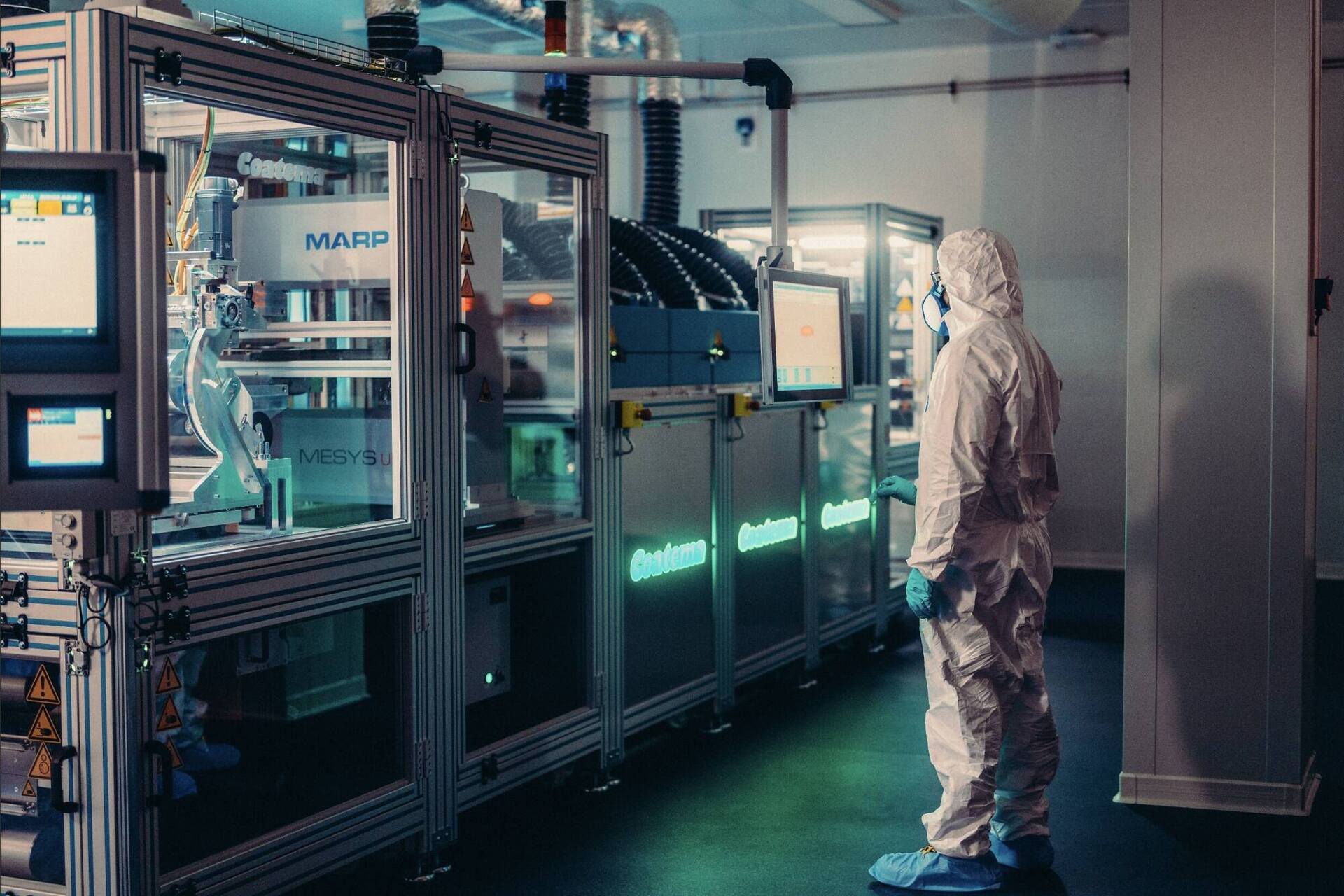
Electric mobility is in a crucial transition phase: simply increasing range is no longer enough; materials, processes, and industrial models must be rethought to make the entire supply chain more sustainable, efficient, and competitive. In this context, the announcement of October 30, 2025, by Ampere – the subsidiary of the Renault group focused on electric vehicles and software – and the American Stratus Materials marks a significant step. The two entities have signed a Joint Development Agreement (JDA) to test the innovative cell technology with cobalt-free cathodes called LXMO (Lithium-X-Manganese-Oxide) in the French manufacturer's electric vehicles.
This agreement is not only the signing of a commercial agreement, but the signal that the Renault Group's battery strategy is entering its "third phase", after the adoption of the chemistry NMC (Nickel-Manganese-Cobalt) and cell integration planning LFP (Lithium-Iron-Phosphate) starting from 2026. In essence, a new frontier is opening up: batteries cobalt-free, high energy density, lower costs, greater stability and less complexity of the materials chain.
An agreement to innovate automotive battery chemistry
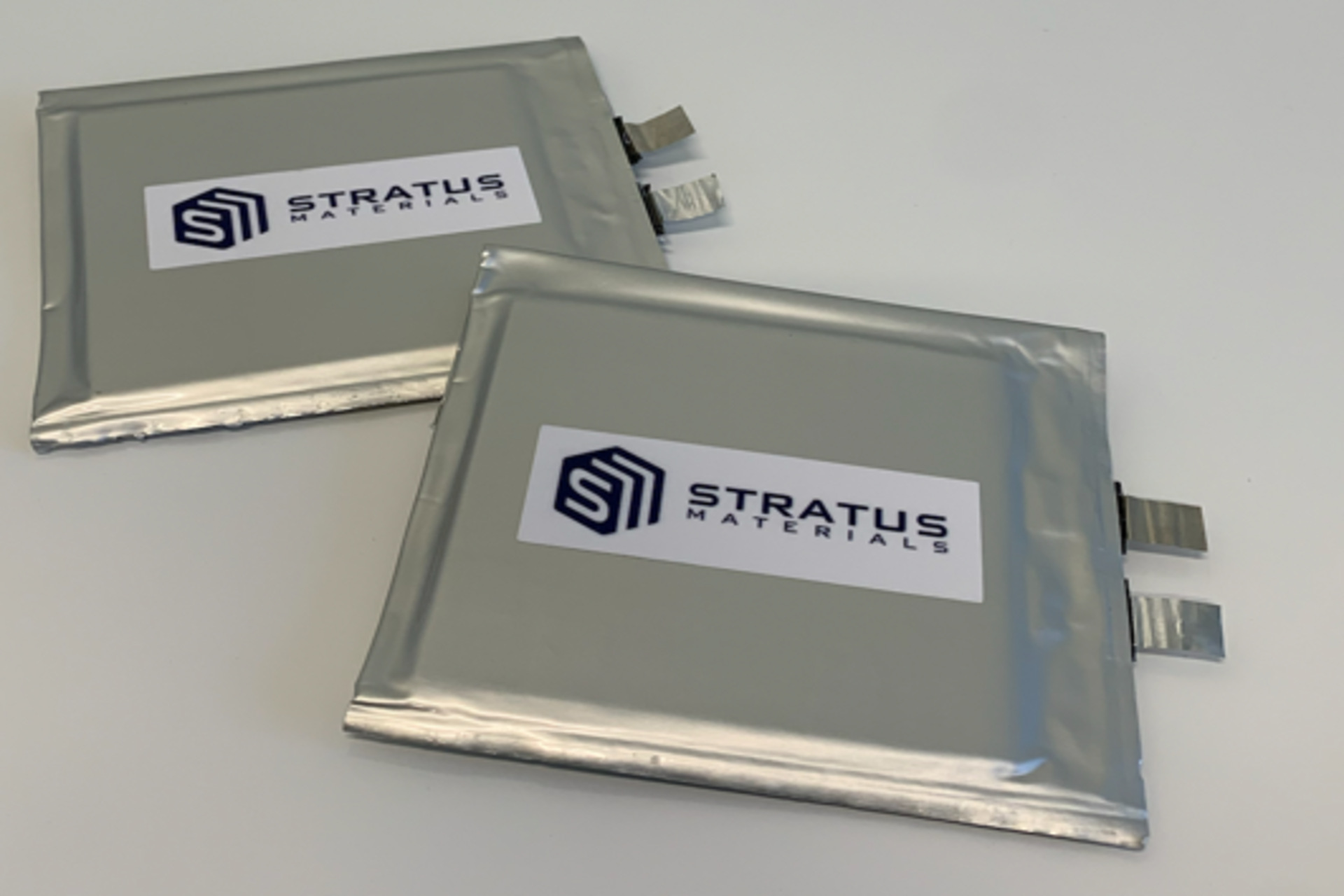
In the announced agreement, Ampere and Stratus clearly define the objective: to test LXMO technology in vehicle-cell formats at the Innovation Laboratory Battery Cells Ampere's battery cell, launched in Lardy, France. According to official sources, this technology promises energy densities up to twice as high as those of battery packs based on NMC or LFP chemistries. LXMO batteries are considered a particularly promising solution for electric vehicles because they can offer energy densities comparable, if not higher, than those of NMC batteries, while maintaining a lower cost and similar stress tolerance to LFP batteries.
Ampere is focusing on high-energy density, cobalt-free materials because of their potential advantages over traditional cathodes. As explained, Nicolas Racquet, Director of Vehicle and Powertrain Engineering at Ampere,
“Ampere is closely examining high-energy cobalt-free materials for their potential advantages over existing cathode materials. Stratus’ LXMO CAMs caught our attention because of their combination of performance, cost, safety, and cycle life.”
Similarly, Jay Whitacre, CEO of Stratus Materials, said:
“We are thrilled that LXMO technology has been selected by Ampere and Renault Group as a candidate for their future vehicle range. The progress made so far with Ampere is promising, and we look forward to realizing the joint development agreement and moving forward together towards full-scale implementation.”
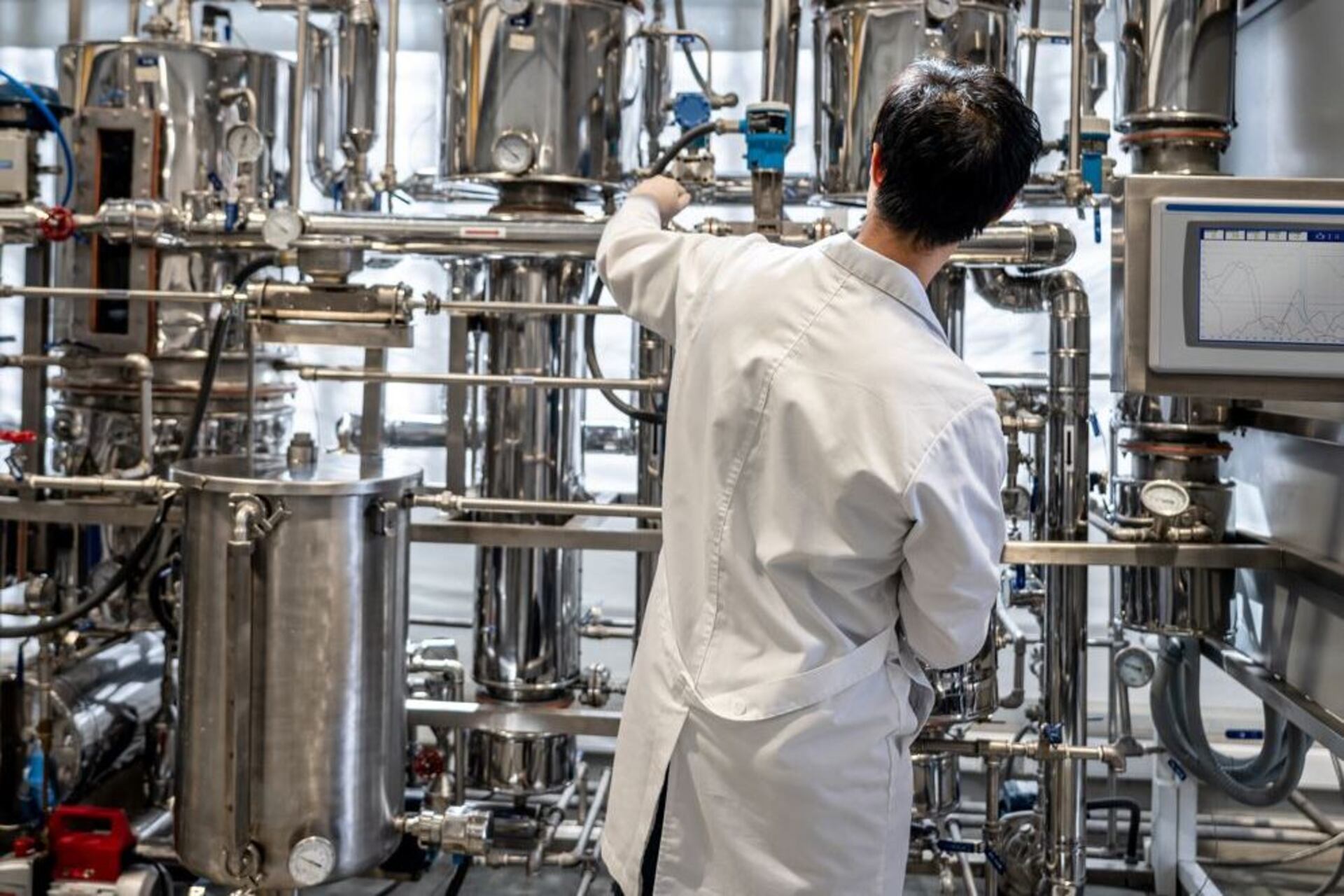
For industry designers, this type of collaboration represents an acceleration in the development process: the laboratory phase, dedicated to chemical validation, is intertwined with the industrial implementation of the cell, pack, and vehicle, in a timeframe that aims to make a qualitative leap compared to current standard generations.
(Photo: Stratus Materials)
Why eliminating cobalt is crucial for the European electric car
The transition to cobalt-free batteries is driven by several strategic directions that are increasingly intersecting. The first is the supply chain sustainabilityCobalt is a costly element, subject to geopolitical and environmental tensions, with most production concentrated in the Democratic Republic of the Congo. Reducing or eliminating it is a way to increase the supply chain's resilience and reduce dependence on at-risk areas.
The second concerns the cost reduction and production simplificationLFP and potentially LXMO technologies offer less material-complex designs and reduced use of critical raw materials, thus leading to lower integrated costs and greater industrial efficiency.
The third director is the energy performanceCurrent NMC batteries offer high density, but with tradeoffs in cost and safety. LFPs, which are more stable, have lower densities. LXMO chemistry promises a novel balance: density comparable to NMCs, but with robustness and cost similar to LFPs.
Competitive pressure is growing in Europe, with Chinese manufacturers launching increasingly affordable electric models. At the same time, European regulations on critical materials and battery circularity are becoming more stringent.
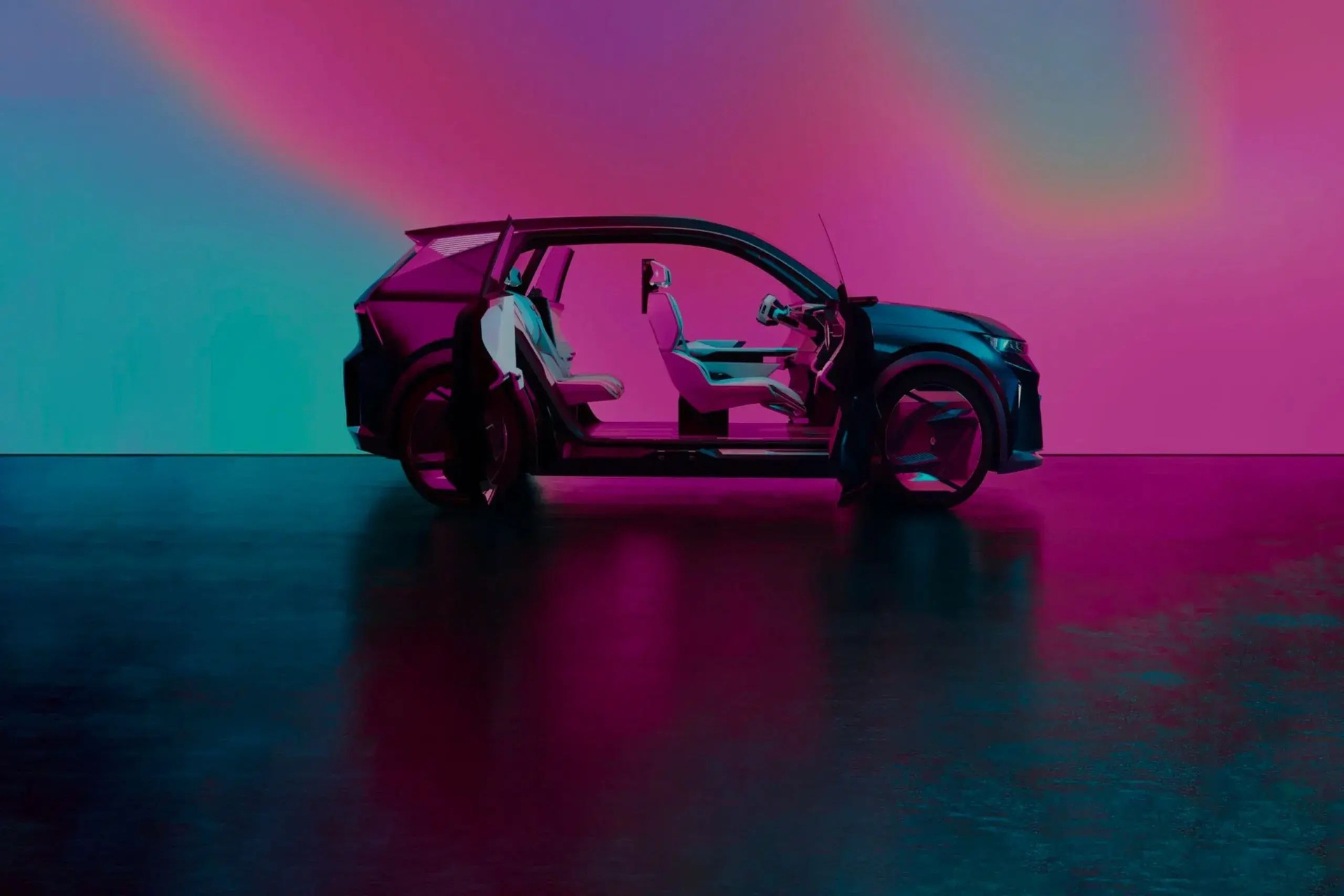
In this scenario, the adoption of cobalt-free batteries can become a strategic element of differentiation for European manufacturers. For Groupe Renault, which has already announced the inclusion of LFP cells in mass-produced vehicles starting in 2026, the partnership with Stratus represents a move consistent with the need to strengthen the competitiveness of its electric platform.
(Photo: Ampere)
The risks to be managed and the issues still on the table for Ampere and Stratus
Despite the promises, the transition to cobalt-free materials is not without challenges. The first concerns the industrial validationLXMO material must be tested not only in the laboratory but also in cell, pack, and vehicle formats, under real-world conditions and with long-term endurance testing. The JDA includes these validation phases at Ampere's laboratory in Lardy, which was inaugurated with the aim of anticipating technological revolutions in the battery field.
A second knot is linked to the costs of scale and integrationWhile the material appears advantageous on paper, its large-scale production and integration into existing processes—including cathode manufacturing, cell assembly, and pack configuration—require significant investment and adaptation time.
On a technical level, it remains to be verified whether the actual energy performanceThe reported data speak of densities potentially double those of NMC or LFP configurations, but in the battery sector, laboratory results must always undergo independent verification and industrial approval.
Finally, there's the time factor: even though the announcement dates back to October 2025, the road between testing and mass production is long. Electric vehicles require very high standards of durability, safety, and certification. Therefore, it's likely that actual large-scale application will only arrive in a few years, once the entire supply chain is ready to support the new chemistry.
(Photo: Stratus Materials)
Implications for the European market and industrial ecosystem
From a strategic perspective, the agreement between Ampere and Stratus could have significant impacts on multiple levels. For the Renault Group and the Ampere brand, the collaboration strengthens the manufacturer's positioning within the European electric vehicle ecosystem, focusing on chemical innovation, low costs and greater autonomy. Ampere is thus proposed as a
“EV and pure player software”,
that is, an actor entirely dedicated to electric and digitalization.
For the European battery supply chain, a possible industrial success of LXMO technology could stimulate new investments in the production of cathodes, cells and recycling systems, contributing to thestrategic autonomy of the continent In the battery field. The benefits would also be tangible for consumers: electric vehicles with higher energy density batteries, lower costs, and fewer critical materials would mean greater range and a more affordable price, as well as a reduced environmental impact.
Globally, the agreement represents a European response to the Asian advance. Chinese and South Korean manufacturers are already experimenting with alternative chemistries such as LMR (Lithium Manganese-Rich), and the Ampere-Stratus collaboration offers Europe the opportunity to catch up with an independent and sustainable technological approach. The challenge is not only industrial, but also geopolitical: ensuring Europe's solid presence in the battery value chain becomes a strategic priority for the energy transition.
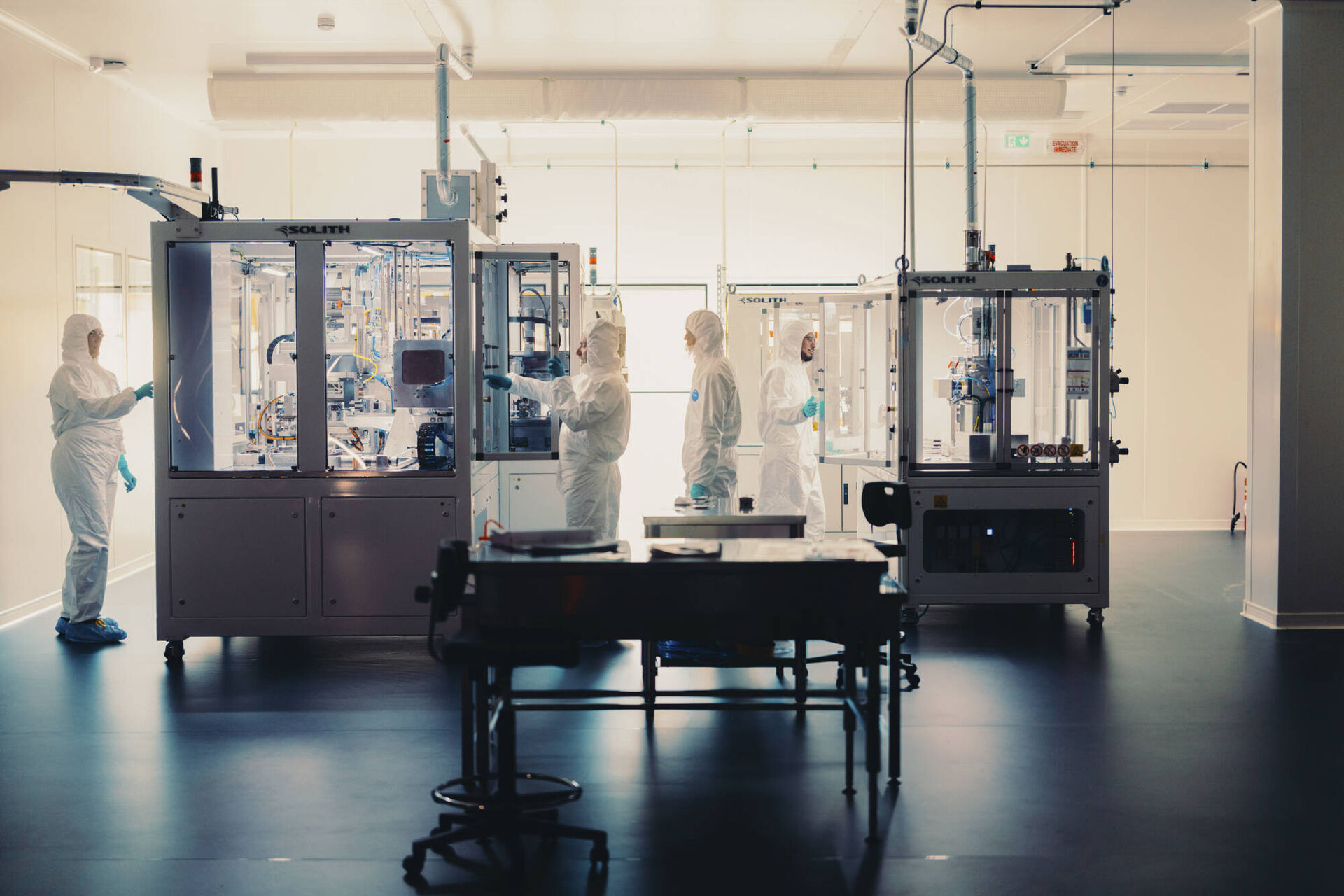
(Photo: Ampere)
The future trajectory and role of innovation in batteries
Looking ahead, the agreement highlights how the new generation batteries are now an integral part of automotive strategy and industrial innovation. The sustainability of models is no longer measured solely by zero emissions, but rather across the entire value chain: from materials to production, from recycling to performance.
The next few years will see the validation of LXMO cells in real battery packs and, potentially, their adoption in production vehicles, should the tests conducted at Lardy yield positive results. Stratus has already announced the launch of the second generation of the material, called LXMO-2, which will be supplied to partners for testing starting in 2025. It is therefore plausible that, between 2026 and 2030, this technology will gradually become widespread, alongside and partially replacing traditional NMC and LFP chemistries.
At the same time, the growing attention to the criteria ESG Cobalt-free batteries are pushing automakers to choose solutions that reduce their dependence on critical raw materials, improve supply chain transparency, and adhere to the principles of the circular economy. Cobalt-free batteries fully meet this requirement, with a positive impact not only on the environment but also on reputation.
It remains essential, however, to monitor actual developments and the ability to industrialize a chemical still in the validation phase on a large scale. The technology's success will depend on the number of models in production, the share of the product range covered, and the entry of European suppliers into the supply chain.
Many scenarios are open for electric mobility in the 21st century
With the agreement between Ampere and Stratus Materials, European electric mobility takes a major step towards a future where batteries no longer contain cobalt and combine high energy density, low costs, greater safety, and a more resilient supply chain. For Groupe Renault, this choice represents a betting on materials innovation, capable of integrating a roadmap already structured on NMC and LFP.
The path remains complex, however: it requires technical validation, industrial scalability, market-compatible introduction times, and adequate production infrastructure. The direction, however, appears clear. Battery innovation is no longer a marginal issue in the automotive sector: it has become the very heart of the electric transformation.
For those who observe innovation processes, this agreement represents a tangible sign that Europe intends to go beyond software and connectivity, but also embrace the technological core of electric propulsion. The future of sustainable mobility is built within the battery cell, and the agreement between Ampere and Stratus is a concrete and forward-looking demonstration of this.
Here are three insights that might interest you:
The foundation stone of the Ampere Innovation Laboratory has been laid
Lithium-ion batteries: two important discoveries on self-discharge
Ampere's new software center in Sophia Antipolis

(Photo: Stratus Materials)


