SEARCH



The presence of PET and an invisible reaction that occurs between the cathode surface and the electrolyte accelerate the degradation of lithium-ion cells
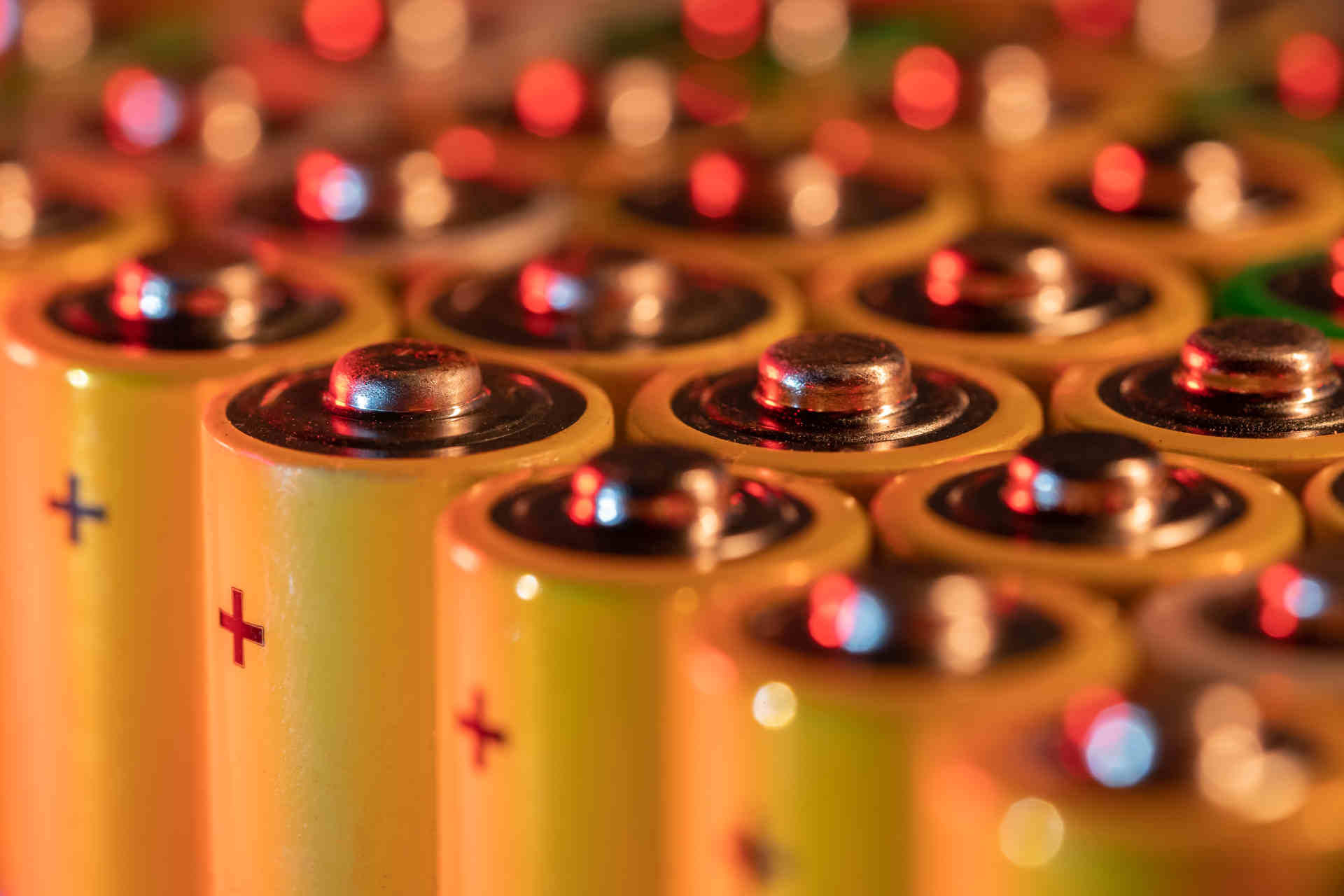
Le Lithium-ion batteries if not used, they tend to lose a little charge over time: this is called "permanent loss of capacity" or self-discharge, a phenomenon that is common to all batteries – from those in smartphones and computers to large systems in industrial applications.
But why do lithium-ion cells self-discharge? There are several factors that contribute to this phenomenon, including temperature, cell voltage, and presence of PET. But hydrogen is also involved: a new international study reveals a invisible factor, unknown until now, that accelerates the degradation of batteries. And it's not lithium atoms.
Why do lithium-ion cells self-discharge?
Le Lithium-ion batteries, commonly used for electronics, the electric cars and various industrial applications, have many advantages: they are extremely efficient and have a charge density very high, which allows for the production of lighter batteries than traditional ones. Furthermore, they have a practically non-existent memory effect and a very low self-discharge rate: they are therefore able to last much longer than other batteries, such as nickel-cadmium batteries.
Despite the limited extent of the phenomenon, however, lithium-ion batteries are also subject to self-discharge: when they are not connected to any load, the cells tend to lose a little charge (equal to approximately 5% on a monthly basis).
We know that self-discharge occurs more rapidly as the temperature and cell voltage, and for this very reason it is recommended that cells be stored at a temperature of 25°C or lower and when they have a maximum charge of 30-50%.
In 2023, one Canadian study discovered that the cause of the phenomenon is linked not only to the increase in temperature but also to the presence of polyethylene terephthalate (PET) inside the tape used to secure the jelly roll of cells (the set of layers that make up the cylindrical batteries, with their characteristic spiral shape) and keep it rolled up.
The researchers found that the PET contained in the tape decomposes leading to the formation of the molecule responsible for self-discharge, called “redox shuttle” because it shuttles seamlessly from the negative to the positive side of the electrode – even when the lithium shouldn't be moving.
The invisible factor of self-discharge: the new study
The one brought to light by researchers of the Dalhousie University This is a crucial indication for the future of lithium-ion batteries: we now know that to have batteries that last longer, we will need to find alternative solutions to PET.
But the list of factors that accelerate battery degradation is not over yet: an international team of scientists has in fact identified another culprit, this time completely invisible.
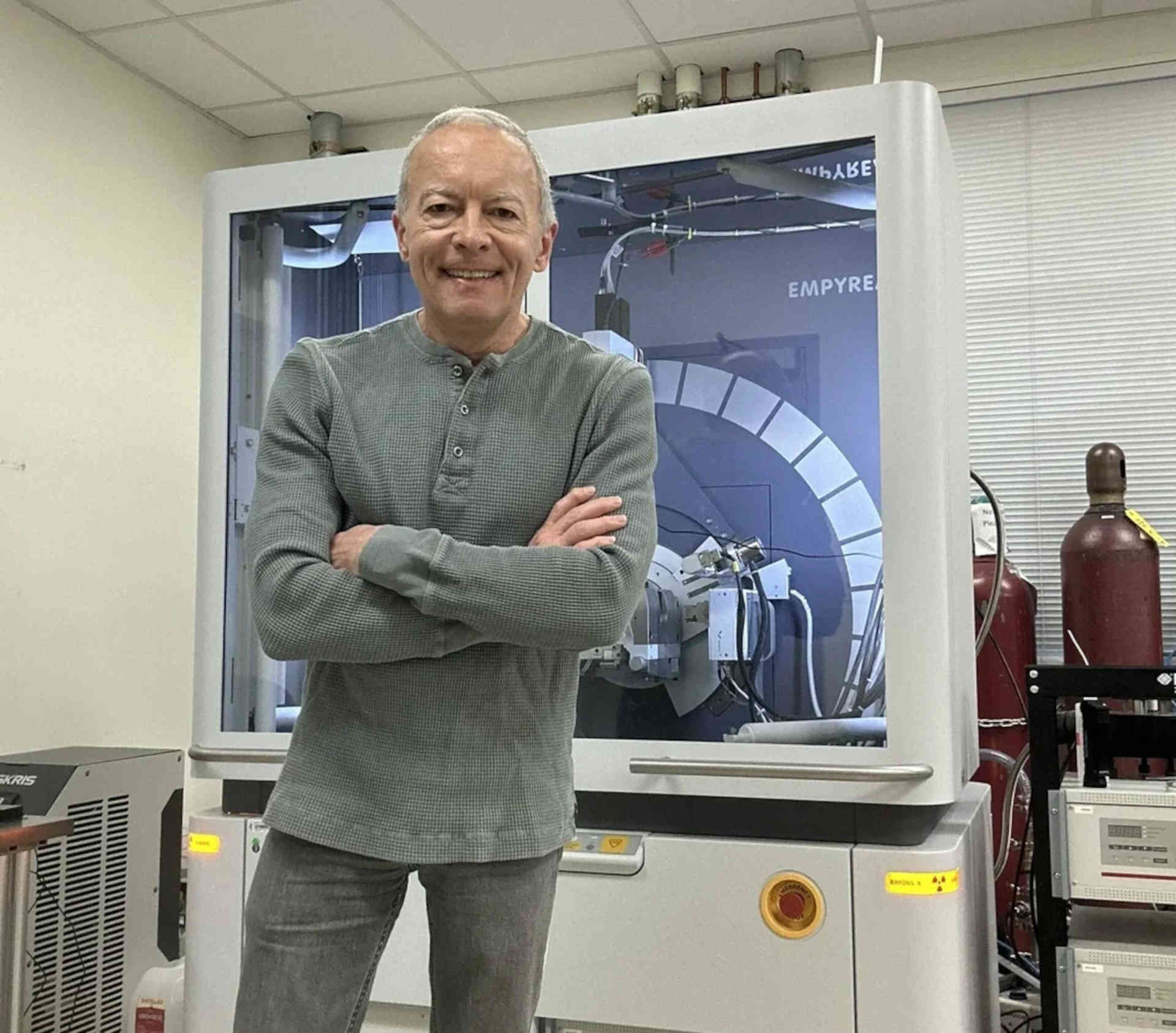
How do you explain Arthur Vailionis, visiting professor at the Kaunas University of Technology (KTU) Lithuanian, even today it is believed that the self-discharge of a fully charged battery is due to the diffusion of lithium atoms from the electrolyte to the battery cathode:
"However, our study has shown that it is the diffusion of protons (hydrogen ions) that causes the self-discharge of the battery. Based on the results of this new research, it is possible to propose solutions to extend the battery life by reducing self-discharge."
These possible solutions may include adding additives to the electrolyte that do not contain hydrogen molecules, such as CH2, or using a special coating to reduce the reaction of the cathode surface with the electrolyte.
Self-discharge, as stated in the study published on Science, "It is caused by the insertion of protons into the charged cathode, triggered by the decomposition of the electrolyte”, that is, from a mechanism based on a surface hydrogenation reaction, very different from the widely accepted model which is based on the diffusion of lithium from the electrolyte to the cathode.
Greener, cheaper and more reliable batteries
The discovery of completely new phenomena underlying the self-discharge of batteries could pave the way for a greener, cheaper and more reliable technology. As Vailionis explains, self-discharge shortens both the solar and cyclic life of the battery and, over time, causes a decrease in voltage and capacity.
It should not be forgotten, in this context, that the degradation of lithium batteries has a environmental impact and economical. As Vailionis, visiting professor at KTU, explains:
“Longer battery life for lithium-ion batteries means that consumers need to change batteries or electronic devices less often. In addition, longer battery life helps reduce the amount of electronic waste and prevents resource depletion (lithium, cobalt and nickel are finite resources), thus contributing to more sustainable practices.”
The advantages of batteries that can last longer would be immediate: electronic devices would need to be recharged less often, and industrial applications with large battery systems could rely on cheaper technologies. In renewable energy systems, moreover, longer battery life would increase the efficiency and reliability of theaccumulation of energy, helping to stabilize energy supplies and reduce dependence on fossil fuels.
Here are three insights that might interest you:
A breakthrough in electrochemical lithium extraction
An innovation to revive water-based flow batteries?
Circular economy and electric cars: the future is much closer