SEARCH


From materials science to neutron physics, the software developed in Switzerland by PSI and EMPA simplifies simulations, data and advanced teaching
La digital transformation of Research It doesn't just involve more powerful supercomputers, faster sensors, or more sophisticated artificial intelligence algorithms. A crucial part of the change concerns the ordinary infrastructure of scientific work: how simulations are configured, how intermediate steps are traced, how results are made reproducible, how non-specialist researchers are allowed to use complex computational tools without becoming systems administrators.
It is in this space, often invisible but strategic, that the AiiDAlab, software platform developed in Switzerland by a team led byPaul Scherrer Institute PSI and by the 'EMPA. Born to make computer simulations more accessible in materials research, the interface is now at the center of an expansion of the field documented in a scientific article published in “Digital Discovery”, magazine of the Royal Society of ChemistryThe applications cited range from atmospheric sciences to battery characterization, from the analysis of neutron experiments at the SINQ source to university education.
The point isn't just to make a technical process more user-friendly. AiiDAlab translates a chain of operations that previously required solid IT skills into a graphical environment accessible via browser: preparing the computing environment, configuring the code, managing data, sending jobs to remote resources, analyzing and visualizing the results. In an industry where process automation is now essential, the difference between powerful software and a truly usable infrastructure increasingly depends on the ability to reduce friction, manual errors, and entry barriers.
Upstream of AiiDAlab there is AiiDA, developed since 2014 and conceived as a scientific workflow management system. Edan Bainglass, a post-doc researcher in Giovanni Pizzi's group at the PSI, summarized its function as follows:
"AiiDA is primarily a workflow management system. This means that this software frees researchers from the time-consuming task of manually launching multiple simulation programs, coordinating them, and reading the resulting data."
The next step is to bring this logic into a platform closer to the common user experience. AiiDAlab is a Jupyter-based web environment, powered by AiiDA's computational infrastructure and built to offer lightweight applications that can be installed and configured with just a few clicks. Its industrial and scientific relevance lies in the relationship between automation, traceability and reproducibility: three conditions that are now central to research that produces growing quantities of data and must make it verifiable, reusable, and interoperable.
From terminal to browser, search reduces operational friction
For many laboratories, computational modeling has become a basic infrastructure. In the paper published in Digital DiscoveryThe authors note that scientific computing is often called the "third pillar of science," alongside theory and experiment. But increasing computational power doesn't automatically eliminate complexity: on the contrary, more complex workflows require coordination between different codes, software environments, HPC resources, databases, parsers, parameters, and metadata.
AiiDA addresses this complexity with an extensible plugin architecture, the automatic provenance tracking Input, output, workflow logic, and execution metadata, and high-throughput execution with checkpointing and error handling. In practice, the platform allows you to retrace the path that produced a given result, reducing the risk of a simulation remaining an opaque sequence of commands, intermediate files, and undocumented decisions.
AiiDAlab adds a more immediate level of interaction to this basis. John Pizzi, who leads a research group at the PSI Center for Scientific Computing, Theory and Data and played a leading role in the development of AiiDA and AiiDAlab, describes the project's goal as follows:
“Our project, regarding AiiDAlab, can therefore be summarized as follows: creating a more user-friendly interface for this rather complex software, so that users can concentrate fully on their research, thus arriving at new knowledge more quickly.”
The formulation is significant because it shifts innovation from the sole level of computational performance to that ofoperational experience of the researcherA lab may have good algorithms and advanced computing, but if access to these tools requires too much specialization, adoption remains limited. AiiDAlab addresses this problem by transforming sophisticated workflows into vertical applications, designed for specific tasks: from simulating electronic properties to managing experimental data.
The model is also relevant for the scientific industry and applied research centers. In fields such as materials, batteries, computational chemistry, and environmental technologies, time is spent not only interpreting results, but also preparing, checking, and repeating procedures. Automating these steps doesn't replace scientific judgment, but rather frees it from some of the repetitive work and makes the knowledge production chain more reliable.
Batteries, atmosphere and neutrons expand the scope of use
The first field of application of AiiDAlab was the computational materials science, where researchers study materials with targeted properties through multiple numerical simulations. The novelty described in the PSI and RSC paper is the extension of the model to different domains, where the platform functions not only as an interface for simulations, but also as an environment for connecting experimental instruments, data, and analysis.
In the case of atmospheric sciences, EMPA uses simulations controlled by AiiDAlab to draw inferences about greenhouse gas emissions from atmospheric measurements. This is an interesting example because it connects workflow software, environmental data, and physical models in a context where the quality of traceability is crucial. When the analysis involves emissions, inventories, or atmospheric dynamics, being able to reconstruct parameters, inputs, and calculation steps is not only a technical issue, but also a requirement of scientific credibility.
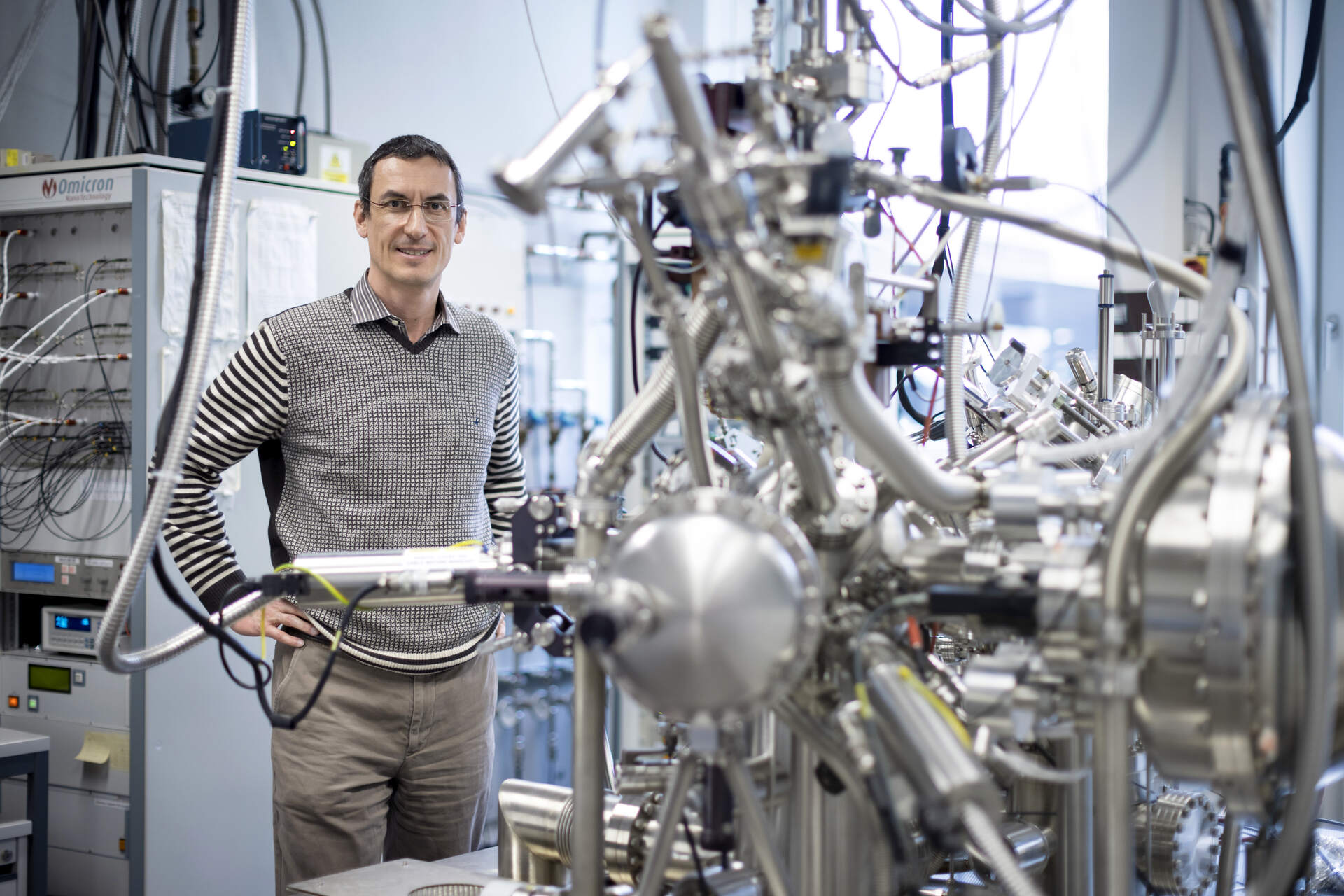
A second case concerns batteries. The paper describes the integration with Aurora, a robotic platform developed by EMPA with Chemspeed Technologies for cell assembly and cycling. In high-throughput experimentation, the possible combinations of anode, cathode, electrolytes, additives, current densities, temperatures, and voltage ranges create a complexity that is difficult to manage with manual procedures. According to the scientific paper, Aurora can operate on batches of up to 36 cells and features over 1.500 potentiostatic channels, while the connected AiiDAlab app allows you to set up protocols, monitor processes, and archive results with rich metadata.
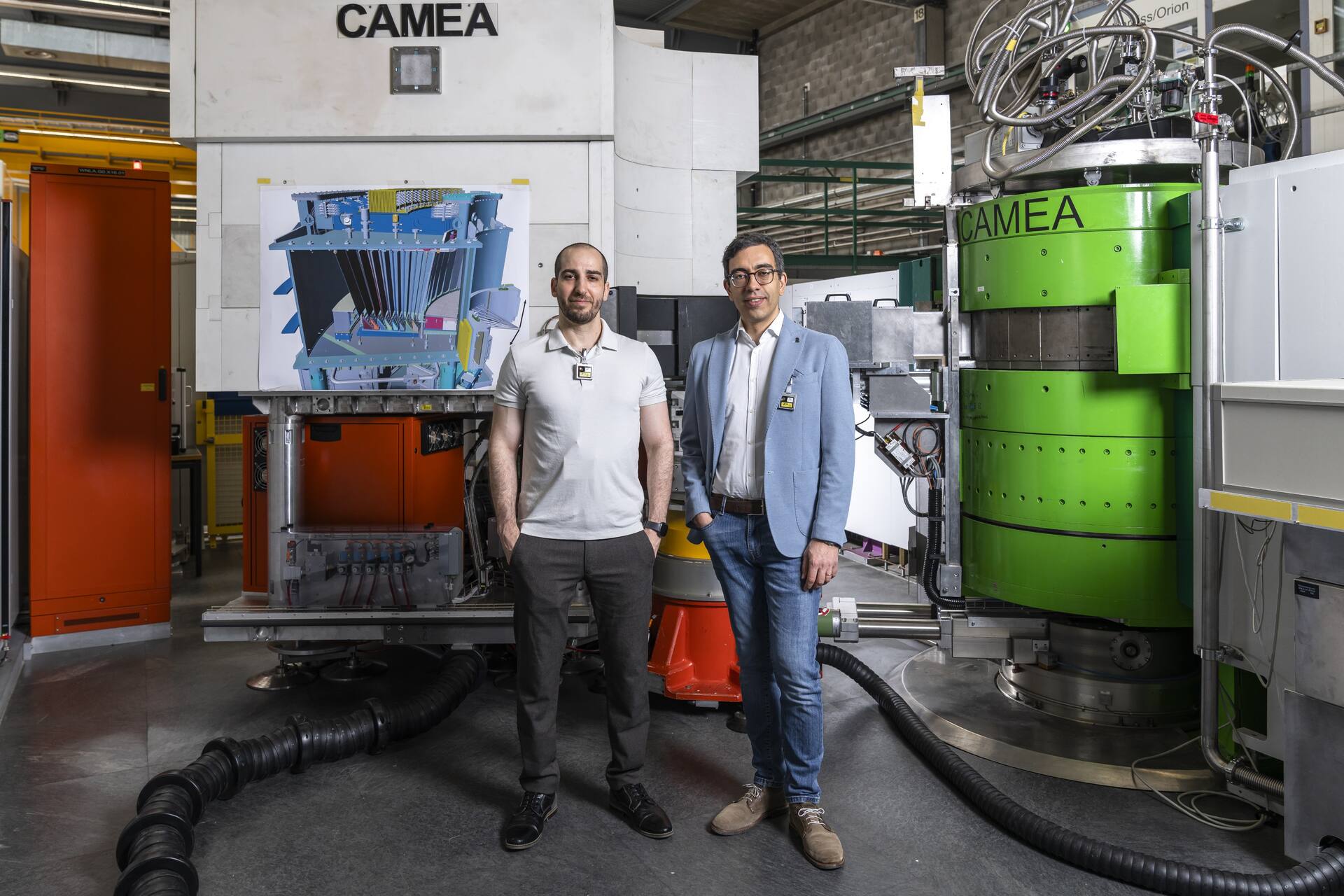
The third area is that of large research infrastructures. At PSI, AiiDAlab supports the neutron diffraction experiment. CHAMBER, operational at the Swiss spallation neutron source SINQThe challenge here is not just performing advanced analyses, but also allowing visiting researchers secure and timely access to data generated during time-limited experimental campaigns. At many beamlines, the measurement window is short, and the ability to analyze data in near real time can inform decisions during the experiment.
The solution described by PSI includes authentication, data transfer orchestration, and results visualization. Bainglass summarizes the user experience with a very concrete formula:
“Users simply open a browser and log in to AiiDAlab.”
Behind this apparent simplicity lies a complex architecture: containerized environments, integration with JupyterHub, access control, read-only mounting of authorized folders, and a connection to the PSI Digital User Office to verify experimental proposals associated with accounts. This is where software innovation meets data governance: it's not enough to make analysis easier; it must be done while respecting security, authorizations, and institutional responsibilities.
Open source and FAIR data become system levers
AiiDAlab is not a closed product, but a open source ecosystem Developed as a collection of interoperable repositories, this choice is consistent with a broader trend in international research: building reusable, documented, and community-adaptable software infrastructures. The official AiiDAlab website presents it as a web-based environment for AiiDA, capable of running robust workflows through lightweight applications directly in the browser, which can be installed and distributed via an app registry.
The open source dimension isn't just about access to the code. In the scientific context, it affects the ability to verify processes, reproduce analyses, and transfer expertise between institutions. The paper explicitly discusses integration with Electronic Laboratory Notebooks and data management in accordance with the principles FAIR, meaning findable, accessible, interoperable, and reusable data.
The topic is crucial because many scientific organizations are experiencing a transition similar to that already observed in other industrial sectors: moving from local tools and individual procedures to shared platforms, capable of standardizing parts of the process without flattening research freedom. In this sense, AiiDAlab is not just a GUI, but an attempt to make scalable operational knowledge which often remains confined to individual laboratory groups.
The value of the platform also emerges from the testimonies collected in the AiiDA context. Carlo A. Pignedoli, Deputy Group Leader Atomistic Simulations at EMPA's nanotech@surfaces laboratory, highlighted the operational impact of the tool on daily workflows:
“AiiDA and AiiDAlab have significantly reduced human time spent on routine computational workflows in our lab. Experimental PhD students and postdocs now submit Quantum ESPRESSO-based workflows through AiiDAlab to calculate the electronic properties of graphene nanoribbons, and monitor or visualize the results of more advanced workflows submitted by computational colleagues.”
The statement clarifies an aspect that is often underestimated: innovation does not consist only in creating new simulation codes, but in making collaboration between experimental and computational scientists is operationalWhen a laboratory researcher can use advanced instruments without directly managing every technical detail, the separation between physical measurement and numerical modeling becomes less rigid.
Teaching shows impact on future skills
Another important area is training. According to the PSI, AiiDAlab has been tested in university courses and short workshops, allowing even students without prior knowledge to use advanced research software such as Quantum ESPRESSOThe paper cites a short-term school organized at PSI in April 2025 on electronic structure simulations for large infrastructure user communities. The event was held in a hybrid format, with approximately 35 percent of participants in person and 65 percent remote; approximately 40 percent were master's or doctoral students, and 60 percent were senior researchers, including postdocs, tenure-track scientists, and professors.
A particularly revealing finding concerns initial expertise: over 60 percent of participants had little or no previous experience with DFT simulations. Despite this, thanks to the AiiDAlab environment, participants were able to launch first-principles simulations in just a few steps, without installing AiiDA, configuring HPC communications, or compiling Quantum ESPRESSO executables. The average feedback reported was 8,5 out of 10 points.
For research centers, this educational dimension has strategic implications. Training new scientists in tools that incorporate the latest technology from the very beginning automation, provenance tracking and reproducibility It means modifying laboratory practices before they become habits that are difficult to change. The FAIR culture is thus presented not as a bureaucratic obligation after the fact, but as a natural part of the way a computational experiment is constructed or data is analyzed.
The future prospects indicated by Pizzi go in the direction of a further extension within the PSI, including other lines of the SINQ source, such as ICON, a cold neutron imaging facility used for non-destructive diagnostics:
“In the future, we want to further expand the scope of application of AiiDAlab within the Paul Scherrer Institute PSI, for example by extending it to other beam lines of the Swiss spallation neutron source SINQ, such as ICON, where neutrons are used for non-destructive diagnostic imaging.”
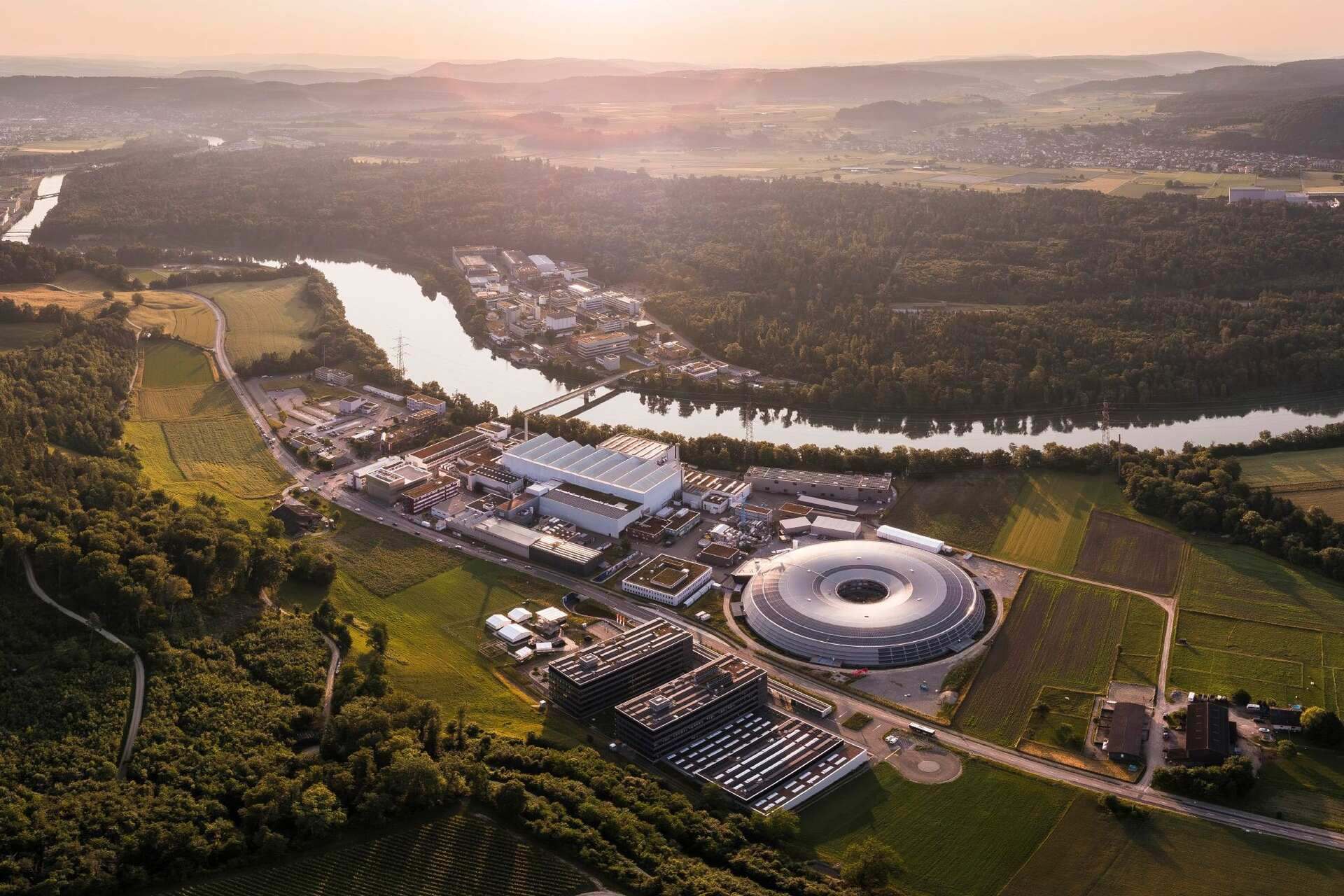
The trajectory is consistent with the nature of PSI, which develops, builds, and manages large research infrastructures for the national and international community. The institute employs approximately 2.300 people and has an annual budget of approximately 450 million Swiss francs, as of June 2025. In an organization of this scale, the software that connects users, data, tools, and workflows is no longer an ancillary component: it becomes enabling infrastructure.
The AiiDAlab story thus demonstrates a shift in advanced research. Innovation isn't confined to the sensor, material, or physical model, but also concerns the interface between humans, machines, and data. If the platform can consolidate its community and maintain interoperability, security, and openness, it could become a model for other scientific software projects: less focus on the technical heroism of the individual user, and more ability to transform complex procedures into shared, verifiable, and truly usable workflows.
Presentation by Aliaksandr (“Sasha”) Yakutovich of AiiDAlab
AiiDA presentation at the nanotech@surfaces laboratory
AiiDAlab's presentation for various accessible simulations
EMPA, EAWAG, WSL and PSI: Switzerland's research institutes
Here are three insights that might interest you:
GEMS, the software that speeds up geochemistry
Ampere's new software center in Sophia Antipolis
Software to measure the environmental impact of cheese