SEARCH


The contents of precious writings charred in the eruption of Vesuvius in 79 AD are still unknown, but the University of Kentucky…
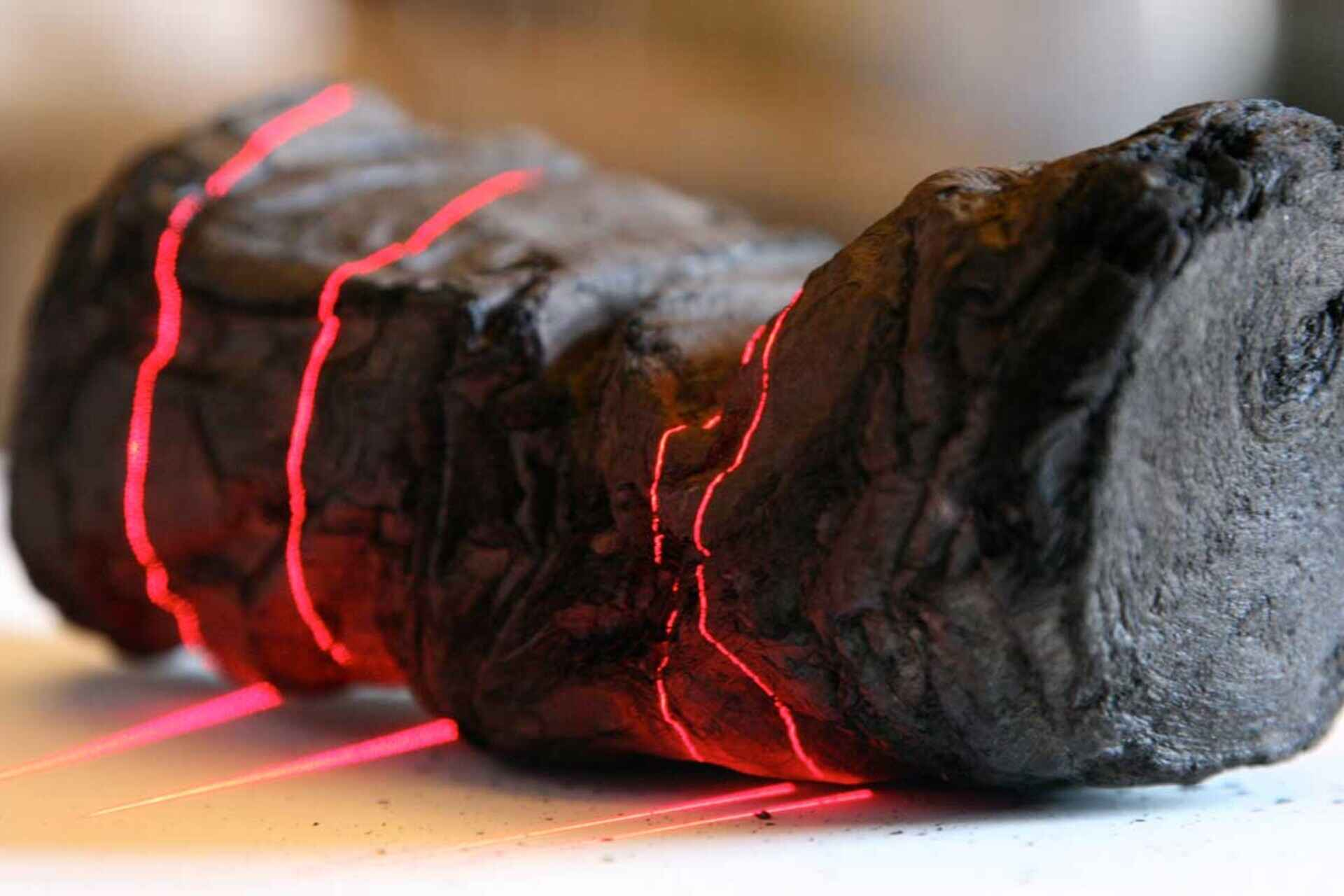
The Herculaneum papyri, known for their fragility, represent a unique cultural heritage. At the moment it has not yet been possible to read them completely due to the difficulty of opening them in full. A problem that has existed for two millennia.
Today, however, scientists are working on the use of artificial intelligence and machine learning in the context of an international project to try to decipher the contents of the precious documents without having to open them. And perhaps the solution can be seen.
Artificial intelligence to decipher the mysterious Cypro-Minoan
The story: an entire library buried in the National Archaeological Museum of Naples
The eruption of Vesuvius in 79 after Christ, as we know, destroyed the cities of Pompeii and Herculaneum and consequently also everything that the two cities represented and possessed.
Among the cultural assets, a precious library was also lost, inside which there were 1800 papyri.
According to what was reported by the English newspaper "The Guardian" a combination of artificial intelligence and advanced x-rays could help scientists today in reading these important texts, which have remained charred.
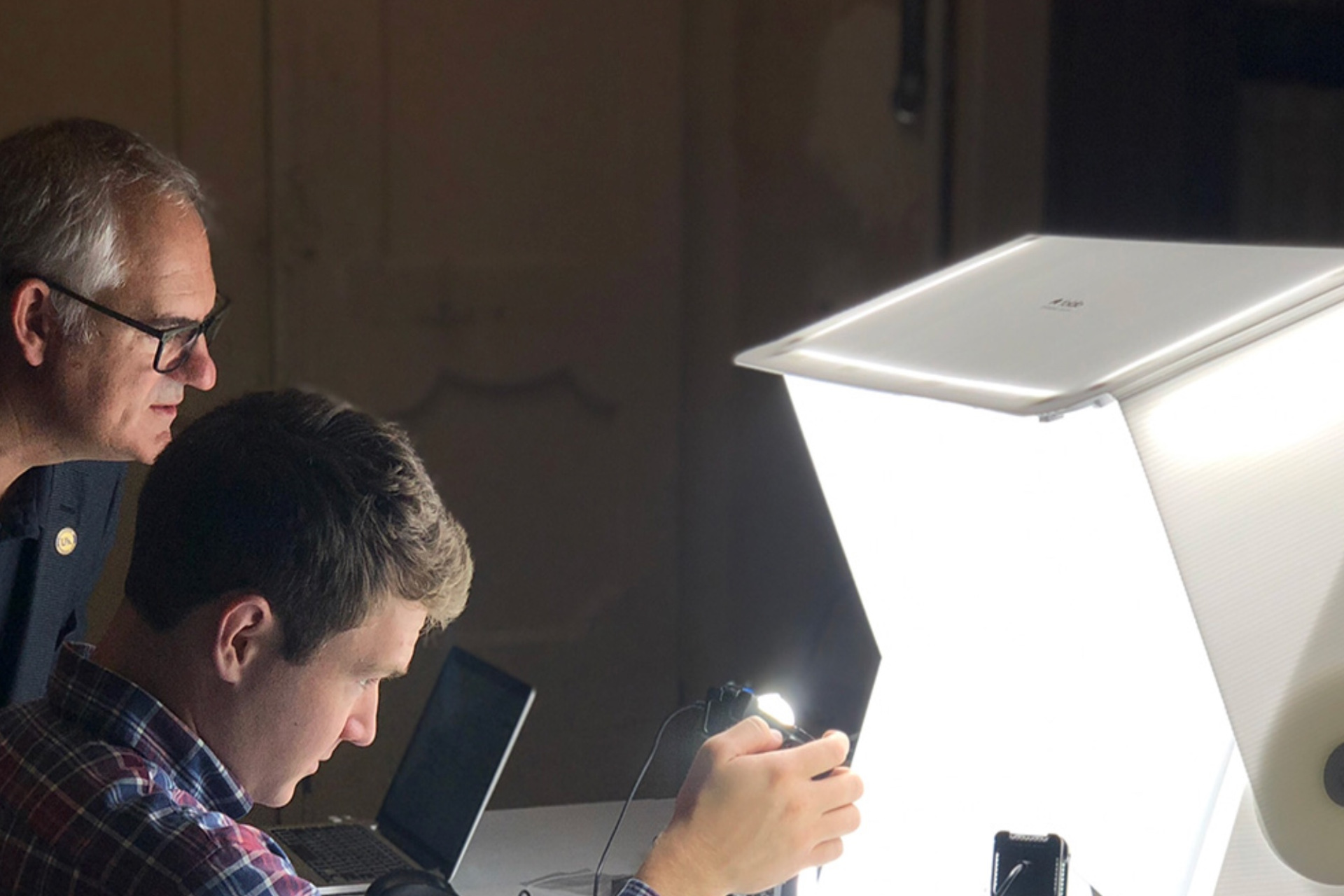
"Although it is possible to note that on each roll of the Herculaneum papyri there is writing", says Professor Brent Seales, head of research and head of the Department of Computer Science at the University of Kentucky, “opening it would require the papyrus to have its own flexibility, which no longer exists”.
Most of these ancient documents are kept in the National Library "Vittorio Emanuele III" of Naples.
In an inviting exhibition on the Talmūd the "source code" of the Internet
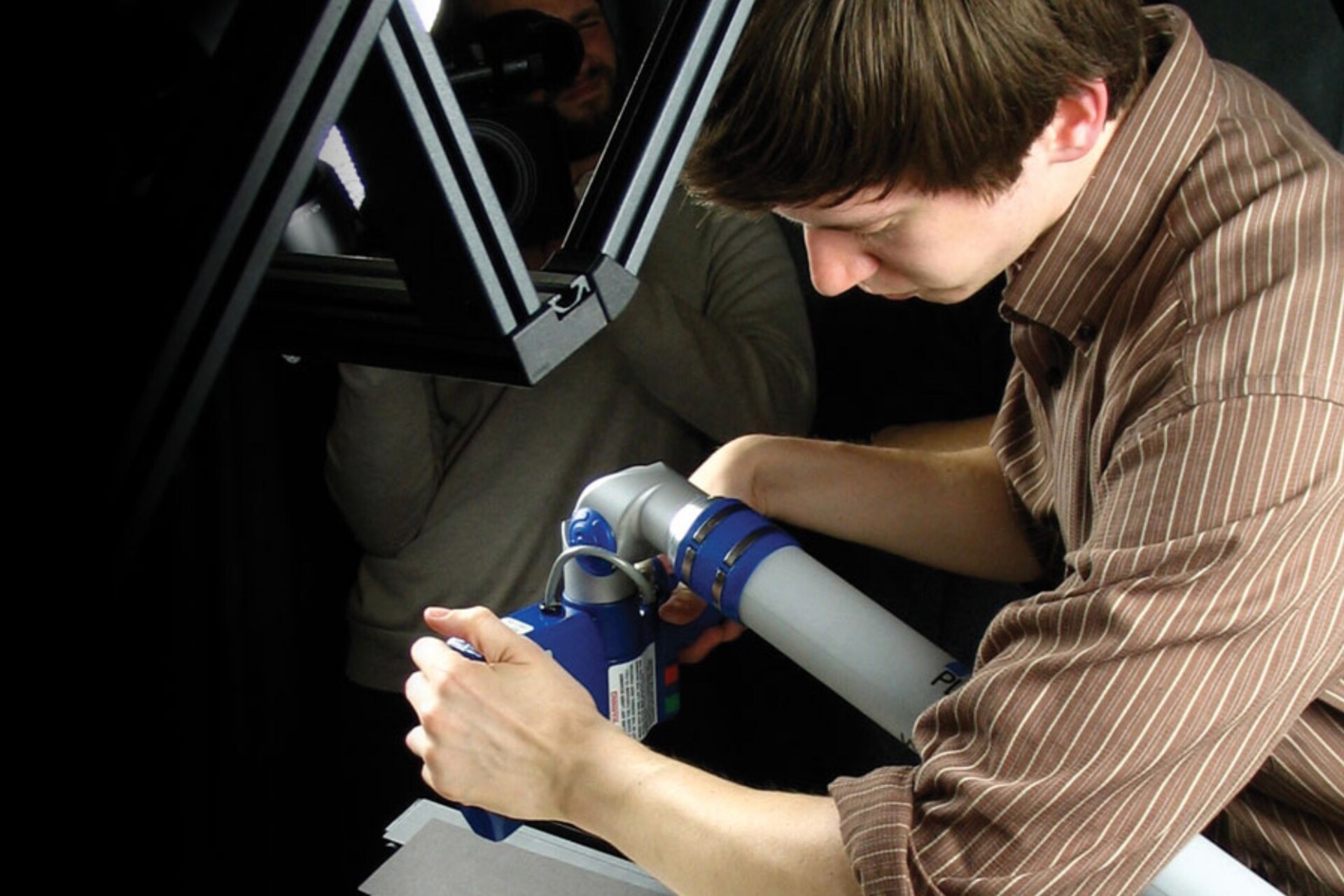
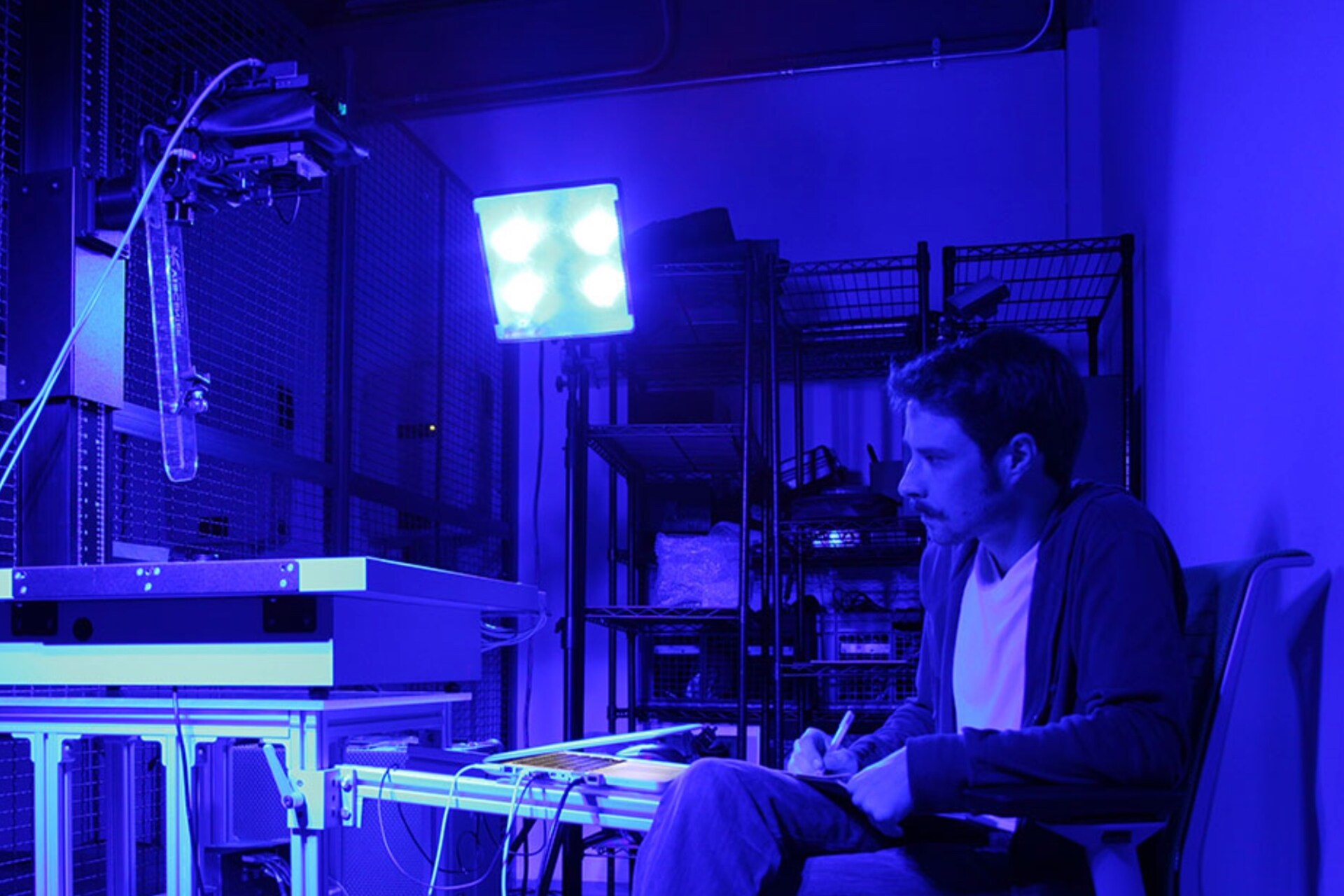
Brent Seales' team technique already employed for the En-Gedi scroll
From the University of Kentucky perhaps an epochal and historical turning point arrives.
Brent Seales and his team have in fact developed an innovative technique to read these texts without the danger that they shatter in a second.
The method in question combines, as mentioned, AI and X-rays and was used to "virtually" unroll a scroll of parchment found in a synagogue of En-Gedi in Israel, 1700 years old.
Unlike the En-Gedi parchment, many of the Herculaneum papyri were not written with metallic-based inks.
In ordinary X-rays, for this reason, there is no contrast between the carbon used for writing and the papyrus base.
This is reduced by the fire from the eruption to another lump of coal.
"Stopped" from a book on October 15, 1962 the Cuban Missile Crisis
A synchrotron capable of projecting a light brighter than that of… the Sun
In England, however, an advanced synchrotron has been built capable of projecting light brighter than that of the Sun, used for research in all sectors.
Dr Seales' team believes this tool, called the Diamond Light Source, could solve the papyrus dilemma.
How? The researchers will use machine learning to join, fix, decipher the fragments of writing on the papyri.
In this way, artificial intelligence will learn to recognize what is needed, such as ink pigments and other segments, to decipher writings that are now impossible to reconstruct with the human eye.
At Castello Pasquini the dazzling beauty of pure science
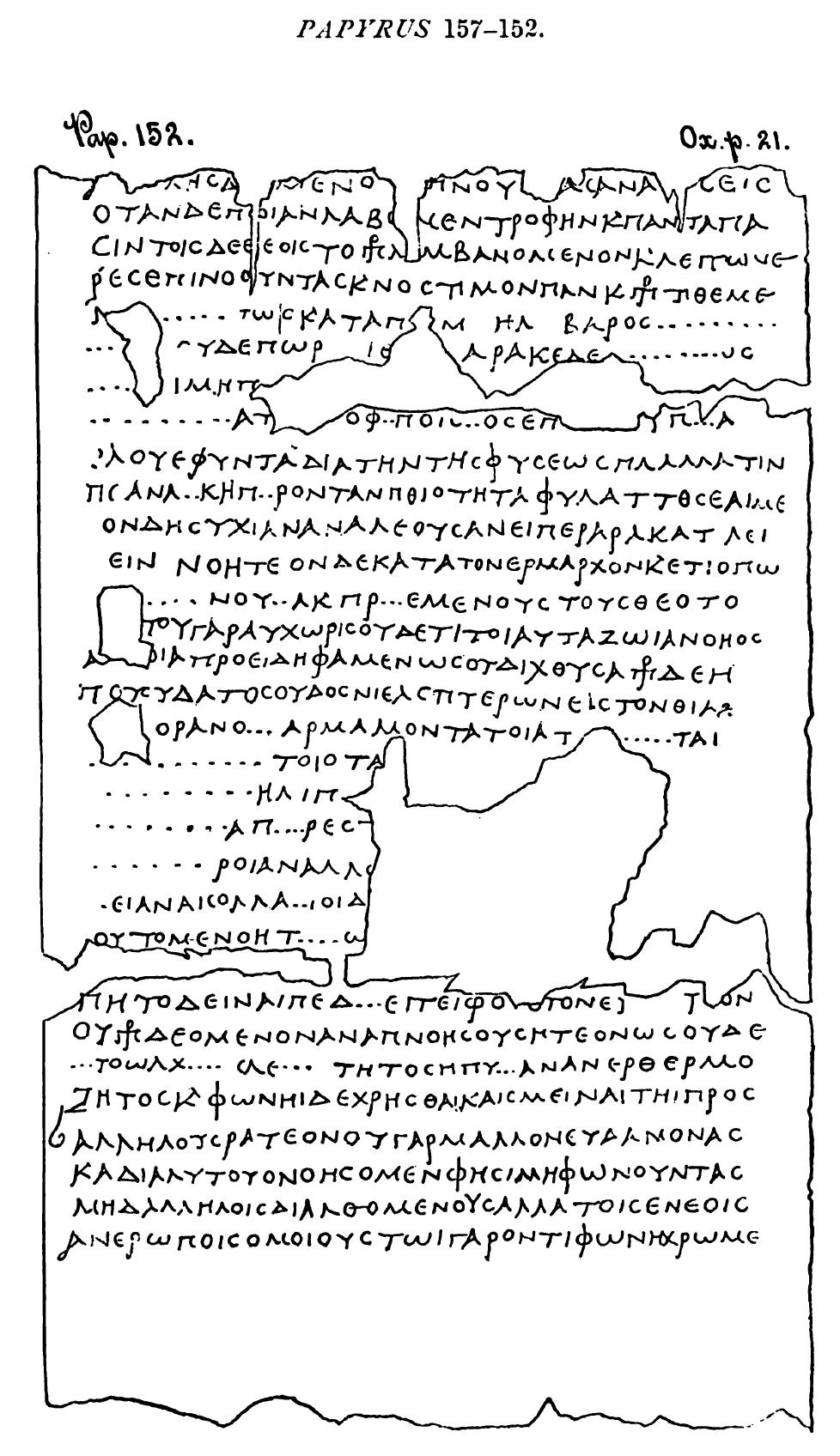
The question: the Herculaneum papyri contain the works di Philodemus of Gadara?
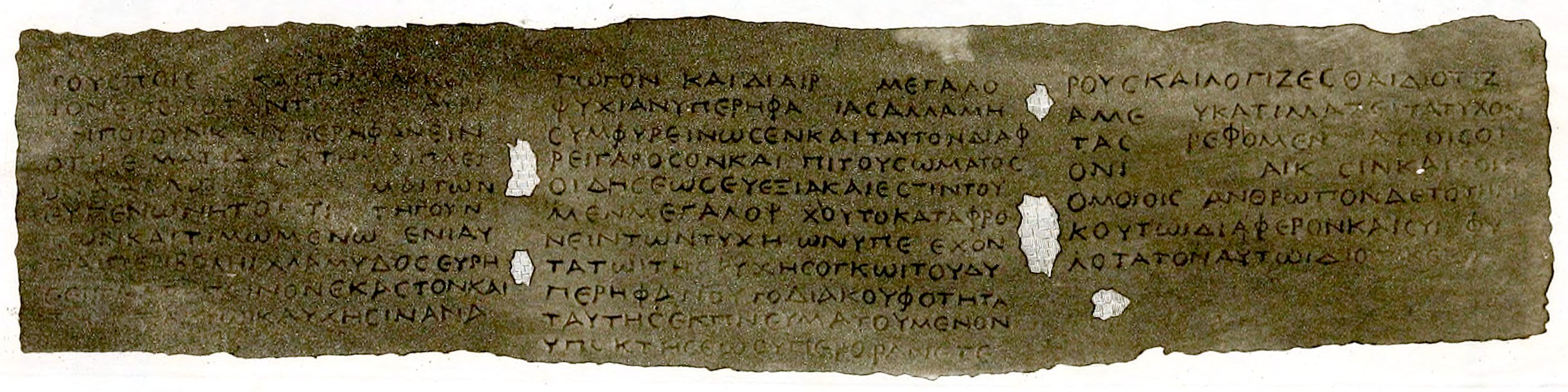
From the small results obtained over the years, these papyri most likely contain the works of the Epicurean philosopher and poet Philodemus of Gadara. Maybe even texts in Latin.
It is hoped at this point to solve the mystery soon, which has been buried for over two millennia.
Innovation is not to oppose technical and humanistic culture[
The first digital unrolling of the Herculaneum papyri took place in 2009