SEARCH


EMPA has found a way to make the Gossypium plant derivative fire-resistant formaldehyde-free and skin-friendly
I fire retardant cotton fabrics more modern suffer from the release of formaldehyde and are uncomfortable to wear. The scientists of theEMPA in Switzerland however, they managed to get around this obstacle, creating a physically and chemically independent network of flame retardants within the fibers.
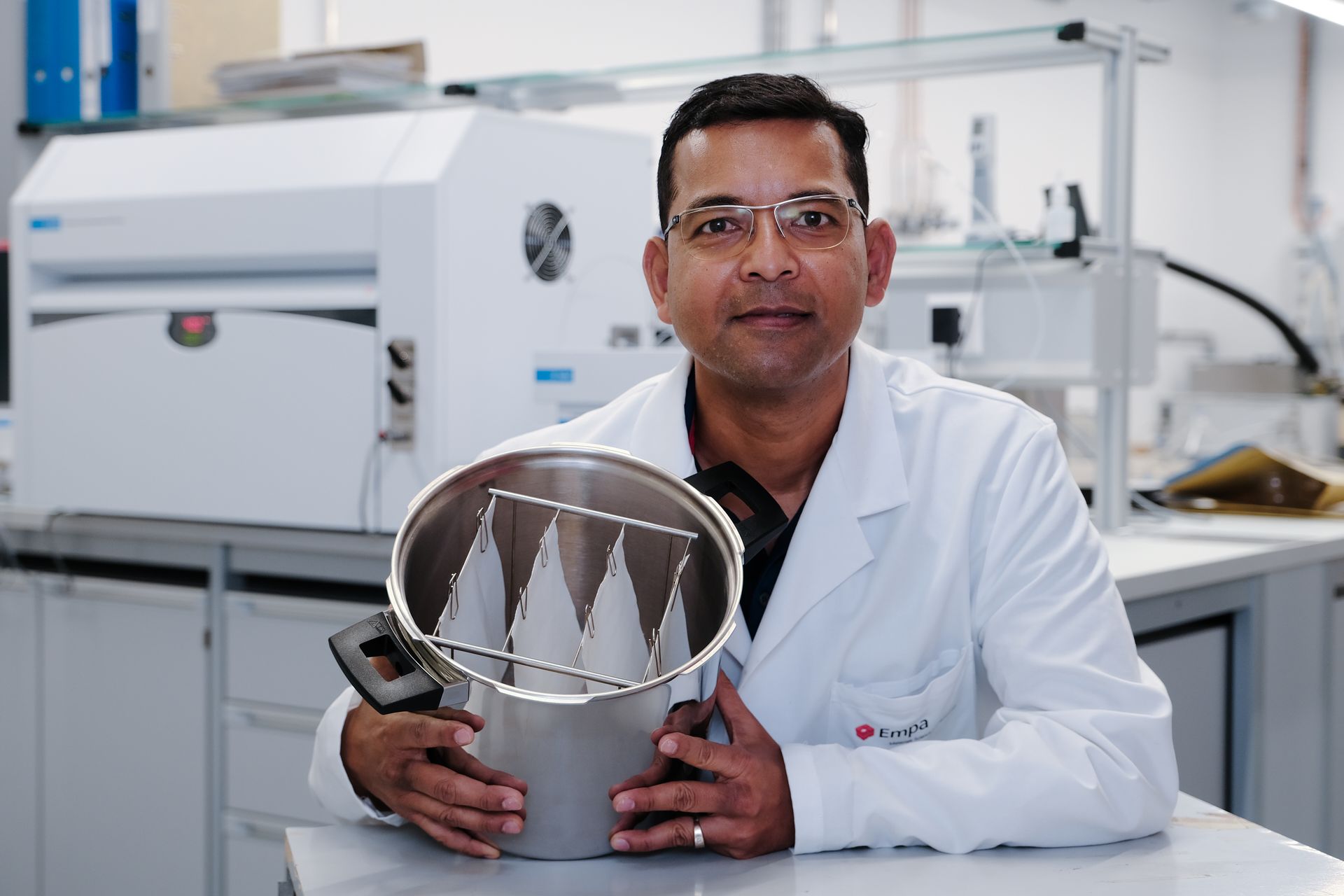
This approach maintains the inherently positive properties of cotton, which represents i three quarters of the questionto world of natural fabrics in clothing and home textiles.
Cotton and its fibers are also a “skin friend” human, because it can absorb considerable amounts of water and maintain a favorable microclimate on the epidermis.
For the Fire fighters and other emergency services personnel, protective clothing constitutes the protection barrier more important.
For such purposes, cotton is mainly used as inner textile layer, which needs additional properties: for example, must be fireproof or protect from biological contaminants. Tuttavia, it must not be hydrophobic, because in this case it would create a very uncomfortable microclimate.
These additional properties can be “built” into the cotton fibers as we have always known them, through appropriate chemical modifications.
Flexible CIGS solar cells: record efficiency achieved!
Durability vs. toxicity: the dilemma of many decades…
“Until now, a compromise has always been required to make cotton flame retardant”Says Sabyasachi Gaan, a chemist and polymer expert who works at the toilet Advanced Fibers of the Swiss Federal Laboratories for Materials Science and Technology.
Wash resistant flame retardant cotton is produced by treating the fabric with flame retardants, which chemically bind to cotton cellulose.
Currently, the textile industry has no choice but to use chemical-based products formaldehyde, and the latter is classified as carcinogenic. This has been an unsolved problem for decades.
Although formaldehyde-based flame retardant treatments are durable over time, they have further disadvantagesI -OH groups of cellulose are chemically blocked, which considerably reduces the capacity of the cotton of absorb water, resulting in an uncomfortable fabric.
Dr. Gaan is familiar with the chemistry of cotton fibers (as it is known, obtained from cotton wool which envelops the seeds of the plants genus Gossypium) and spent many years at EMPA developing flame retardants based on the phosphorus chemistry, which are already used in many industrial applications.
He managed to find an elegant and easy way to anchor the phosphorus in the form of an independent network inside the cotton.
An unprecedented synthetic plaster to seal internal wounds
There is an independent network between the fibers of the material
With colleagues Rashid Nazir, Dambarudhar Parida e Joel Borgstädt, Sabyasachi Gaan used a compound of trifunctional phosphorous (trivinylphosphine oxide), which has the ability to react only with specifically added molecules (nitrogen compounds, such as piperazinea) for form your own network inside the cotton.
This makes the cotton permanently fire resistant, without blocking favorable -OH groups. In addition, the physical network of phosphine oxide he also loves water. And, it goes without saying, this fireproofing treatment does not include the carcinogen formaldehyde, which would endanger the workers during the working process of fabrics.
The first… biodegradable battery is already a reality in Switzerland
The phosphine oxide mesh is machine washable
La phosphine oxide network, thus formed, does not wash away: afterwards fifty washes, 95 percent fireproof mesh it is in fact still present in the fabric.
To ensure additional protective features to the flame retardant cotton developed at EMPA, the researchers also incorporated some silver nanoparticles generated "in situ" within the tissue.
This works fine in a one-step process along with the generation of the phosphine oxide networks. The silver nanoparticles provide the fiber antimicrobial properties and they also survive a 50 wash cycles.
Food waste is now being fought with digitalisation
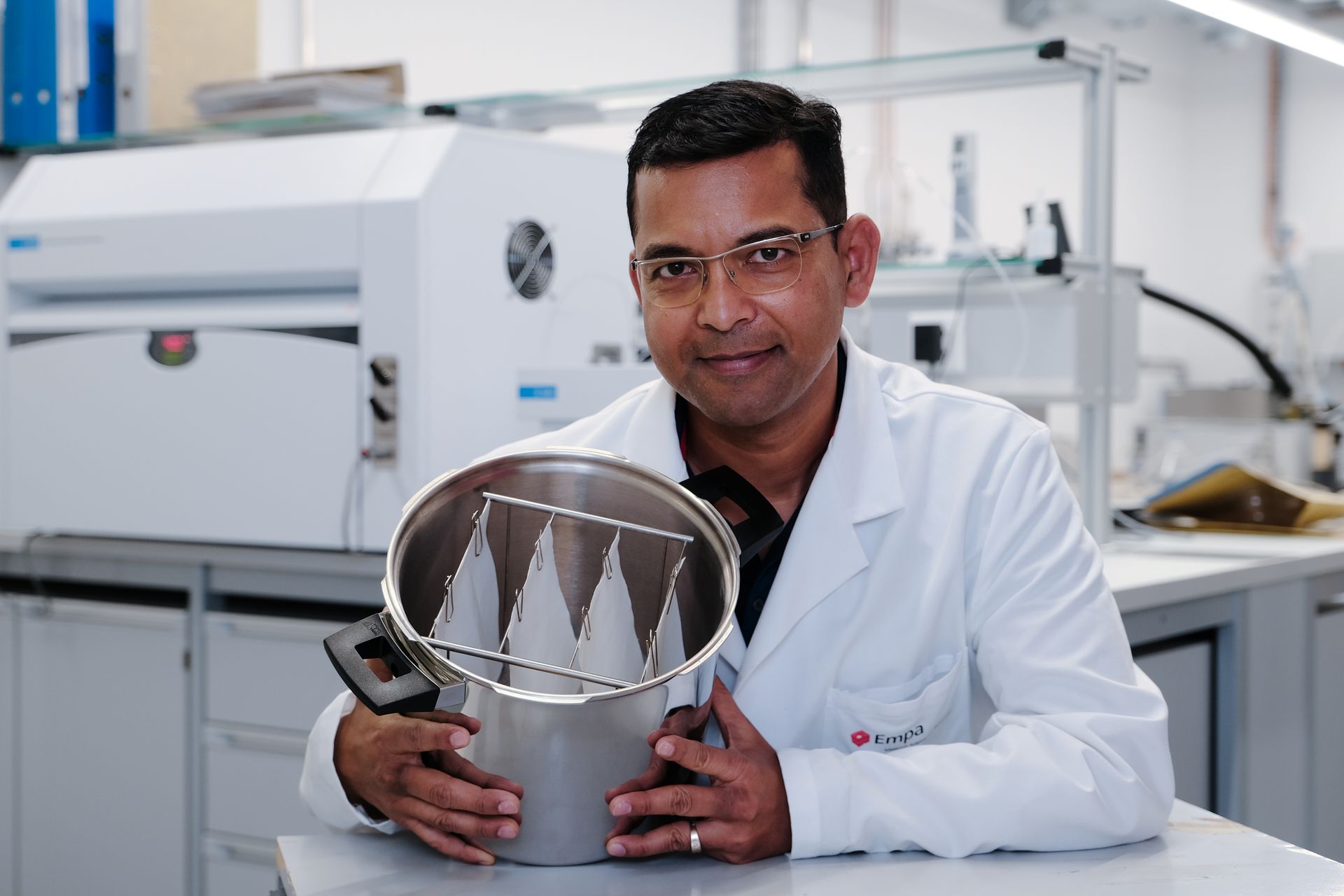
A high-tech solution from… a pressure cooker
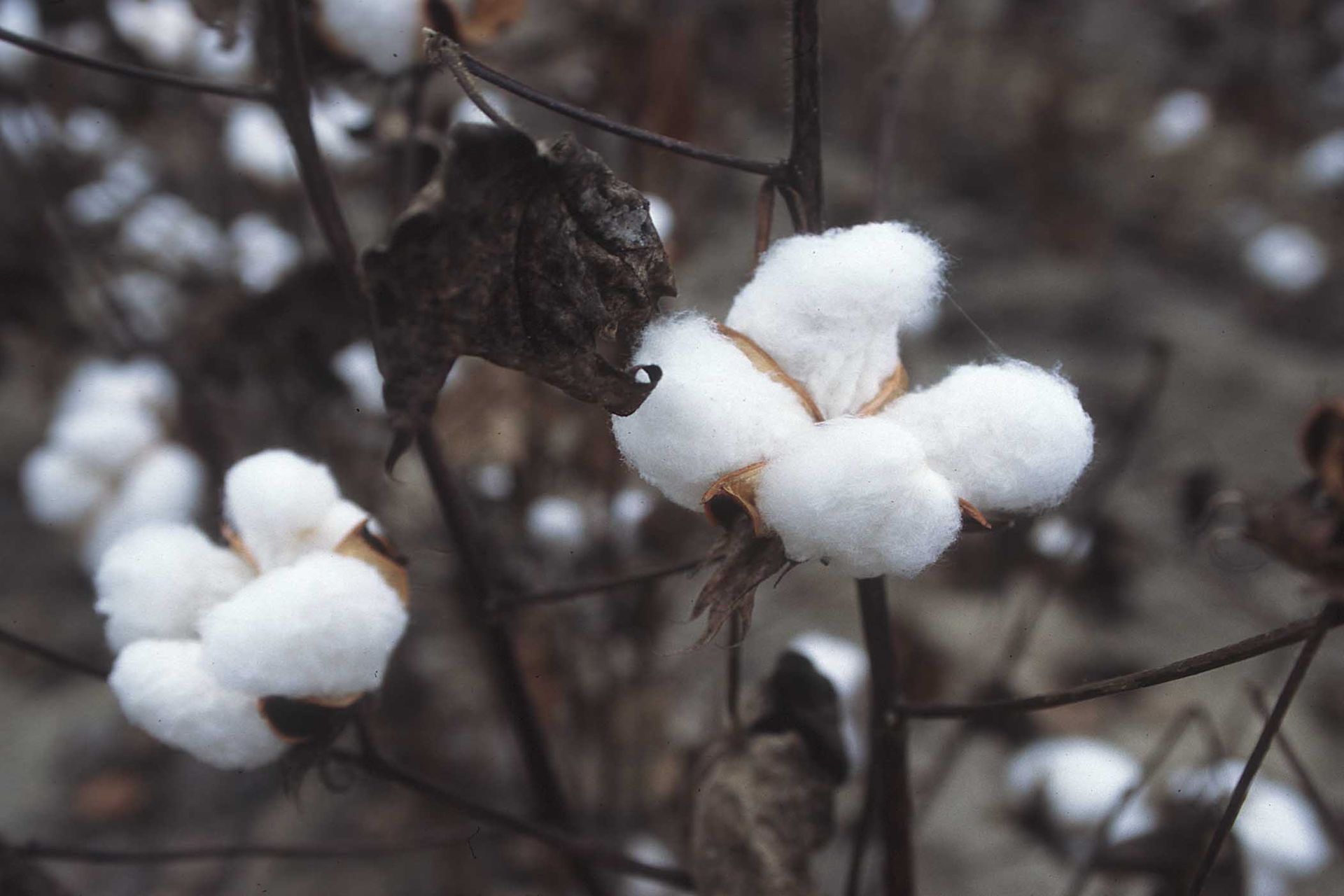
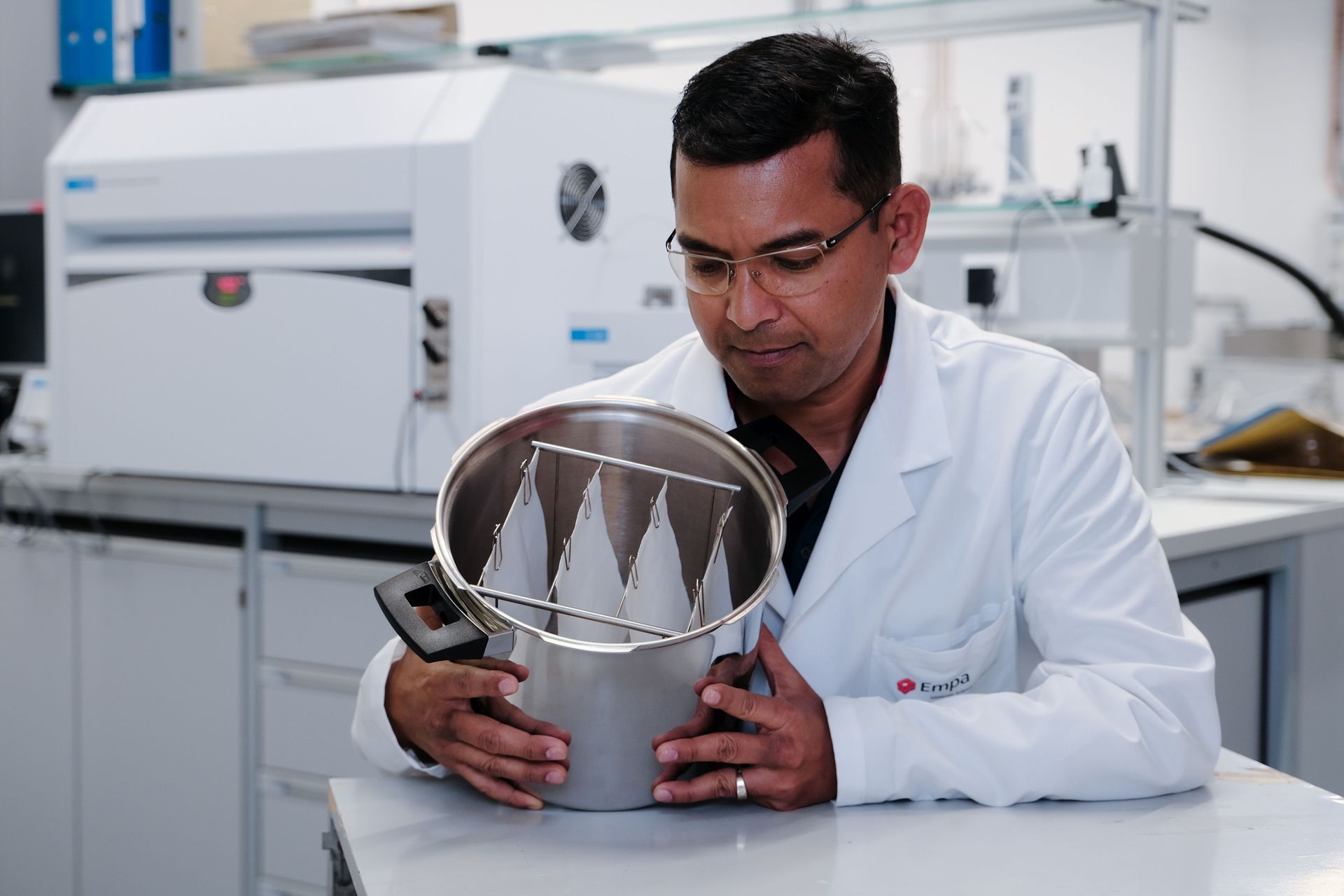
“We used a simple approach to fix phosphine oxide networks within the cellulose”, says Dr. Gaan.
“For our laboratory experiments, we first treated the cotton with an aqueous solution of phosphorus and nitrogen compounds and then steamed it in… a pressure cooker, readily available, to facilitate the crosslinking reaction of the molecules of phosphorus and nitrogen”.
Not only that: the application process itself is compatible with the equipment used intextile industry.
“Steaming of fabrics after dyeing, printing and finishing are normal steps in the textile industry. So no additional investment is needed to apply the process we have devised to cotton”, he says EMPA scientist.
Meanwhile, this new phosphorus chemistry and its applications are already protected by one patent application.
“Two major hurdles remain”he concludes Sabyasachi Gaan.
“For future commercialization we need to find a suitable chemical manufacturer who can produce and supply trivinylphosphine oxide. Furthermore, the latter molecule must be REACH registered (officially, the Regulation number 1907/2006, a standard of theEuropean Union, of 18 December 2006, concerning the registration, evaluation, authorization and restriction of chemical substances, ed) in Europe".
Liquid core optical fibers to increase conductivity