SEARCH


From Zurich's hubs to French-speaking Switzerland, foreign operations show how the country is consolidating its role in the most advanced technologies.
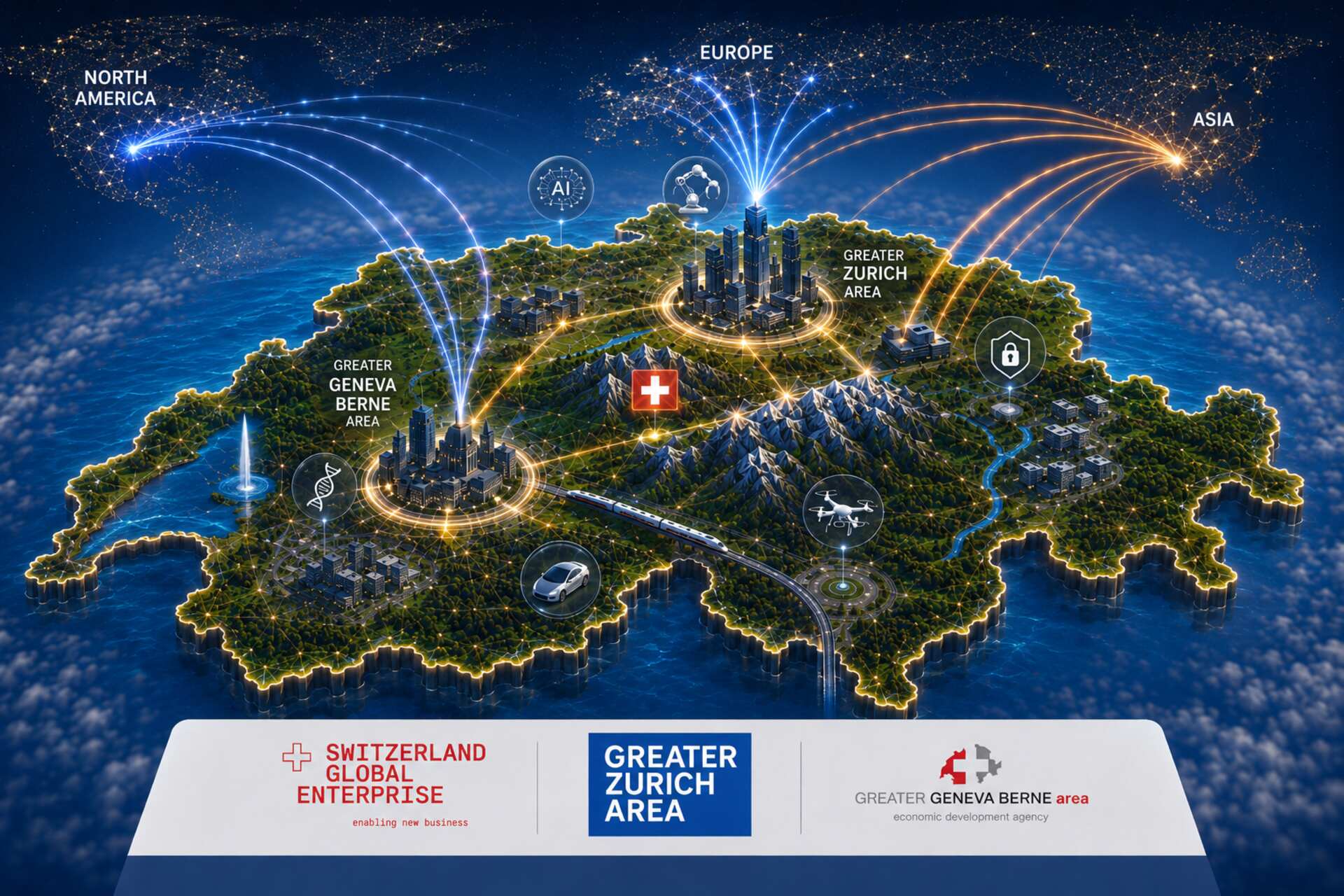
In the last two years the Switzerland continued to attract foreign technology companies in knowledge-intensive sectors: artificial intelligence, robotics, industrial automation, autonomous mobility, cryptography, bioinformatics, neurotechnology, and food tech. There is no comprehensive list of all the foreign companies that have established themselves in the country among the available public sources. However, aggregate data and case studies cited by economic promotion agencies, official press releases, and local institutions highlight this extraordinary phenomenon.
The numerical picture is significant. According to Switzerland Global Enterprise, in 2024 the cantonal, regional and national economic promotion bodies have supported the establishment of 231 international companies in Switzerland; approximately two-thirds were attributable to key technologies such as Future of Health, Digital Worlds, Automation, Food and Finance. 2025 the attracted companies have risen to 264, with approximately the80 percent active in the same technological fields.
These numbers don't simply describe a flow of new registered offices or commercial offices. They point to a location choice that emphasizes access to talent, regulatory stability, proximity to universities and technical institutes, the availability of specialized capital, intellectual property, and connections to European markets. Switzerland competes not primarily on labor costs, but on scientific depth, infrastructure quality, and institutional reputation. For deep tech companies, these factors can be as important as the size of the domestic market.
Zurich and Zug as top hubs for AI, robotics, and autonomous mobility
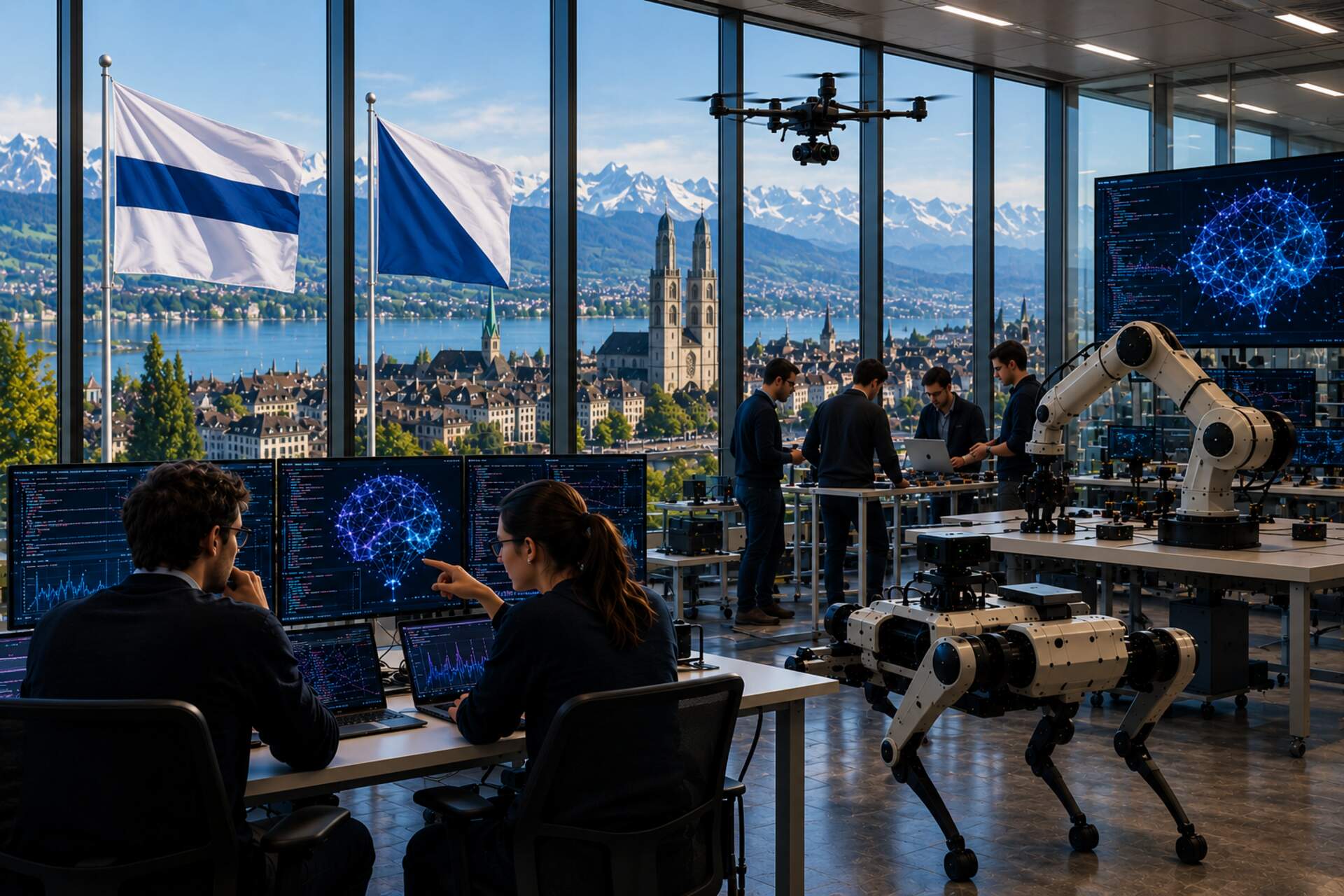
The most visible concentration concerns the region of Zurich and the neighbor Canton of ZugGlobal players such as OpenAI, anthropic, Baidu Apollo, Exa, skydio, ESTUN Robotics Europe, Robotics and AI Institute, Zinc alloy, BYD, NEURA Robotics, Pinterest e Aleph FarmsAvailable sources do not attribute the same nature to all these operations: some are new offices, others research hubs, still others commercial entrances or centers of expertise.
In the field ofArtificial Intelligence and Big Data, the cases of OpenAI e anthropic These are indicative. OpenAI chose Zurich for its presence, particularly in the development of multimodal models and the recruitment of advanced skills, while Anthropic has launched a research team in the city on the banks of the Limmat, strengthening the local presence in research on next-generation AI systems.
The Exa, a US startup specializing in AI research, has opened its first European office in Zurich. The company works on search systems designed to query the web with logic more closely aligned with the needs of language models and software agents. The choice of Zurich, according to available information, is linked to its expertise in machine learning, information retrieval, and applied research.
In the robotics sector, the arrival of skydio It adds a specific piece: the American company has opened a research and development office dedicated to autonomous drones, navigation, perception, and multi-vehicle coordination. These are areas in which the interaction between sensors, machine learning, and real-time control is central.
The presence of ESTUN Robotics Europe In Baar, in the Canton of Zug, the company signals the interest of Chinese industrial automation in establishing a European base in Switzerland. This case is in the manufacturing robotics segment, where proximity to industrial customers, system integrators, and mechatronics expertise can be crucial.
From applied research to the long-awaited driverless mobility
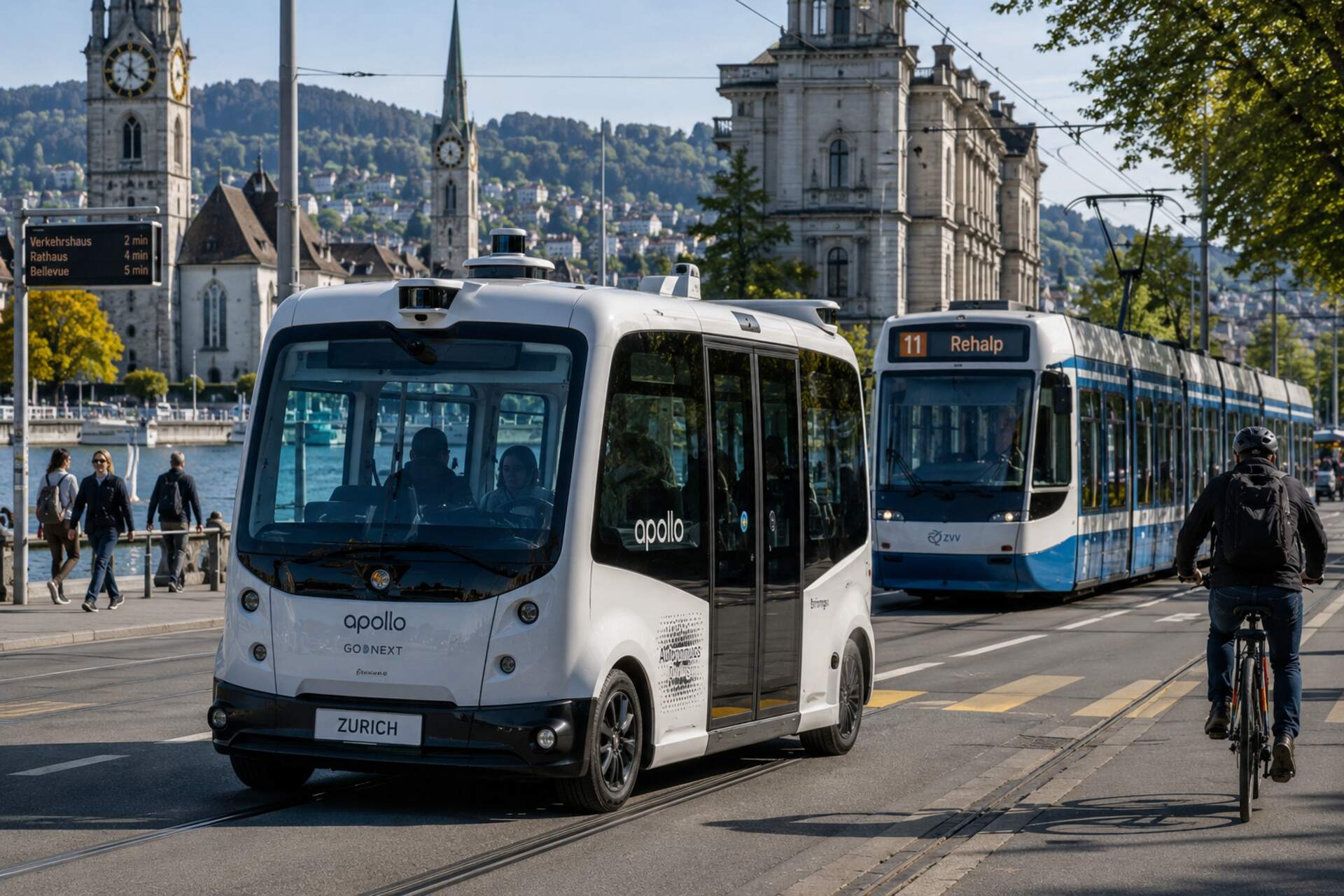
Another axis concerns autonomous mobility. Baidu Apollo, the driverless vehicle division of the Chinese group Baidu, has chosen Zurich as its European base for robotaxi initiatives. Testing and collaboration with Swiss public transport operators are reportedly planned, within a regulatory framework that remains crucial for any operational development.
The relevance of the case lies not only in the company name. Autonomous mobility requires complex integration between environmental perception, high-definition maps, safety validation, communications infrastructure, traffic regulations, and social acceptance. A settlement in Switzerland allows for experimentation in a relatively controlled environment, with dense urban and peri-urban networks, high-quality infrastructure, and institutions accustomed to interacting with highly technical pilot projects.
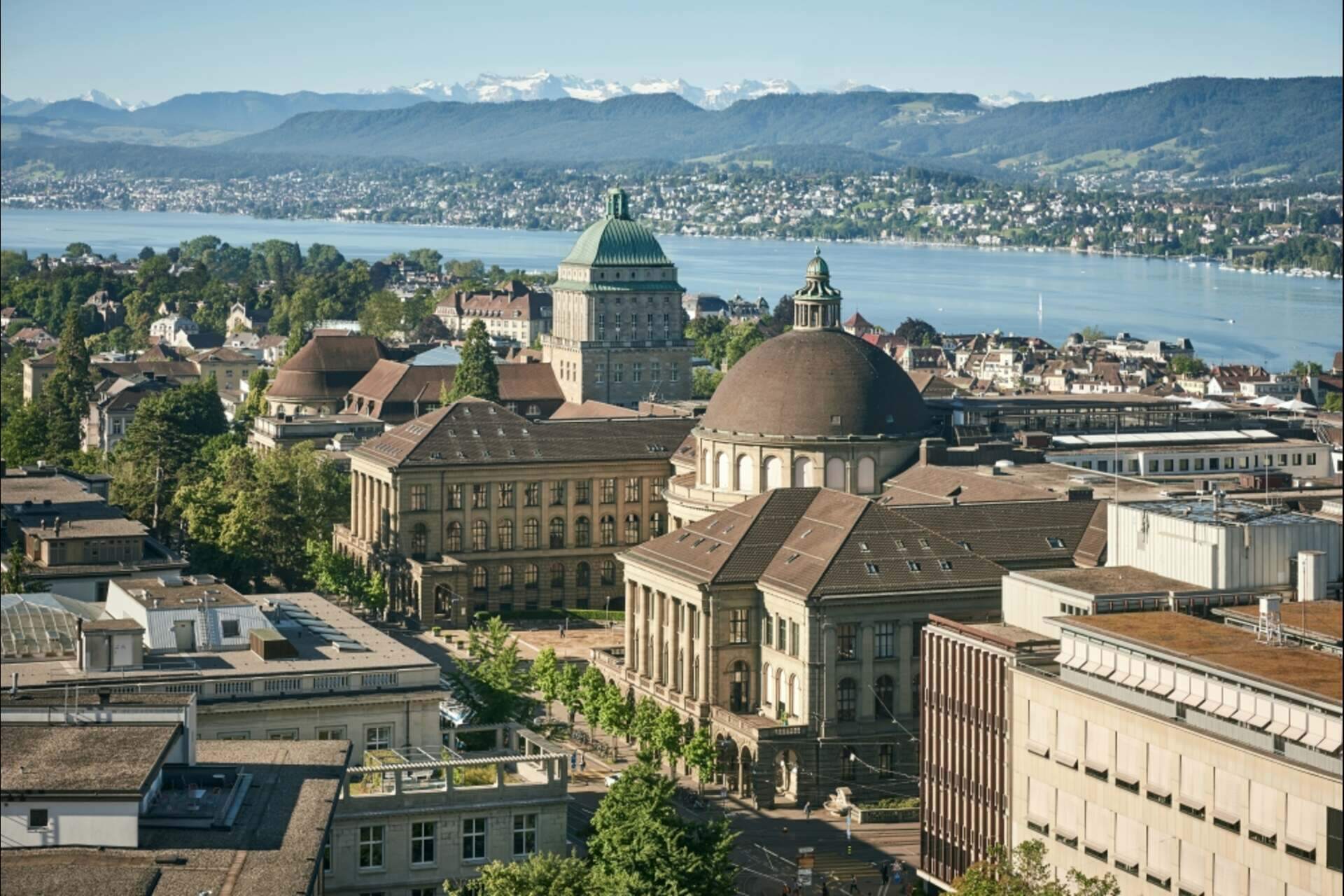
Alongside road mobility, the theme of physical AI, that is, the application of artificial intelligence to systems that operate in the physical world: robots, drones, vehicles, automatic machines, and sensorized devices. This field includes, with different profiles, NEURA Robotics, Robotics and AI Institute, skydio ed EstunAccording to the ETH Zurich, the opening of a center of the Robotics and AI Institute in Zurich, for example, strengthens the connection between basic research, technology transfer, and the training of highly qualified professionals.
"Fully open models enable highly reliable applications and are necessary to advance research on the risks and opportunities of AI. Transparent processes also facilitate regulatory compliance."
The territory of the most populous Swiss city benefits in this respect from its proximity to ETH Zurich, University of Zurich, applied research centers, startups, and large international companies. Global competition for researchers and engineers, however, is intense. The establishment of foreign companies can therefore generate employment opportunities and scientific collaboration, but also put pressure on the skilled labor market, urban spaces, and the ability of the education system to produce adequate skills.
The French-speaking region and Bern are focusing on bioinformatics and industry.
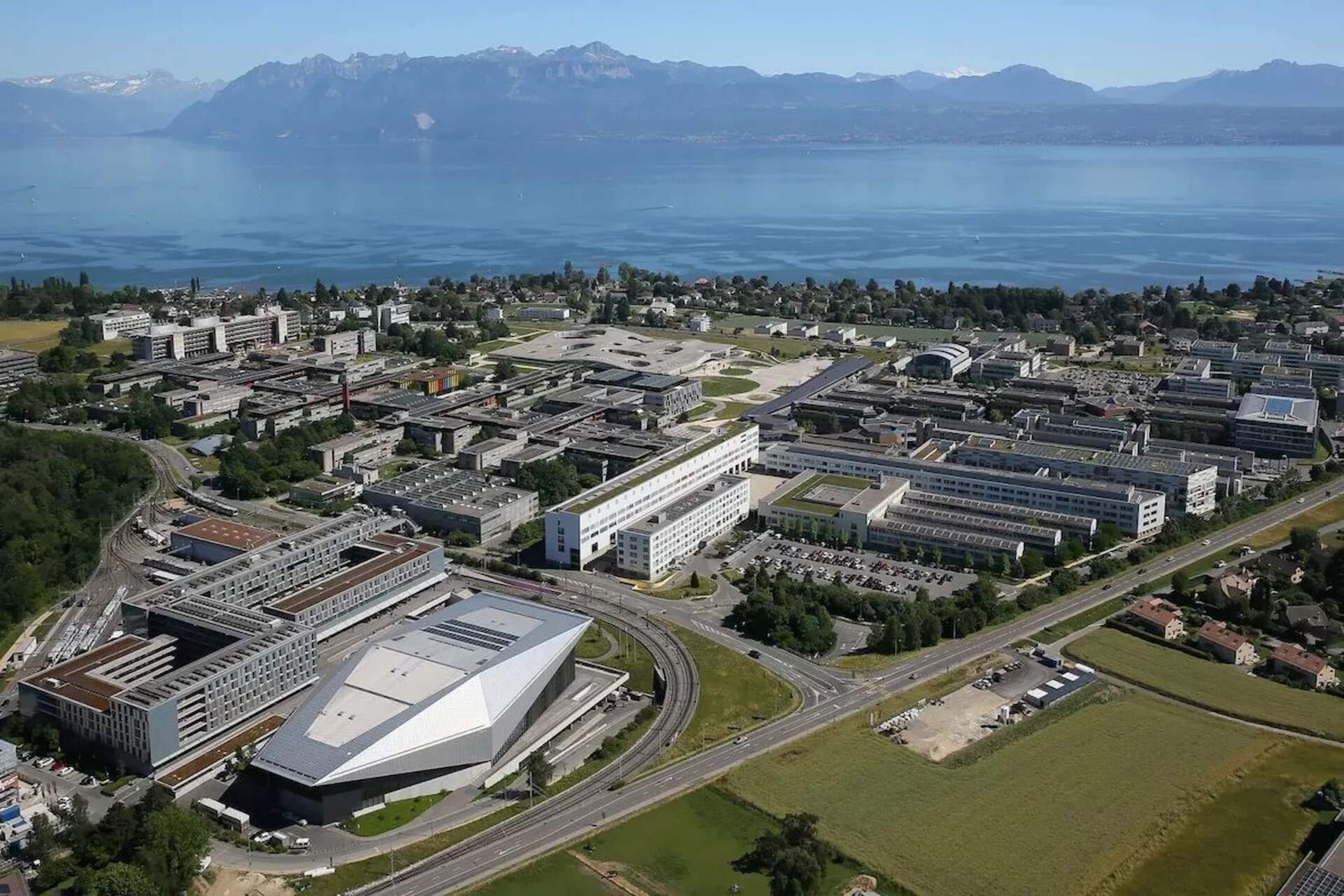
The phenomenon does not only concern Zurich. French-speaking Switzerland and the area of Bern have attracted foreign companies in fields such as bioinformatics, automation, industrial blockchain, mobility, neurotechnology and quantum. Greater Geneva Bern area has indicated the establishment of 2025 91 foreign companies, with a strong component in ICT, life sciences, micro-nano technologies, precision tech and cleantech.
"In a context of increasingly intense global competition for foreign investment, we remain committed to a quality-oriented approach. Our mission is to attract talented entrepreneurs and business projects capable of producing a concrete impact."
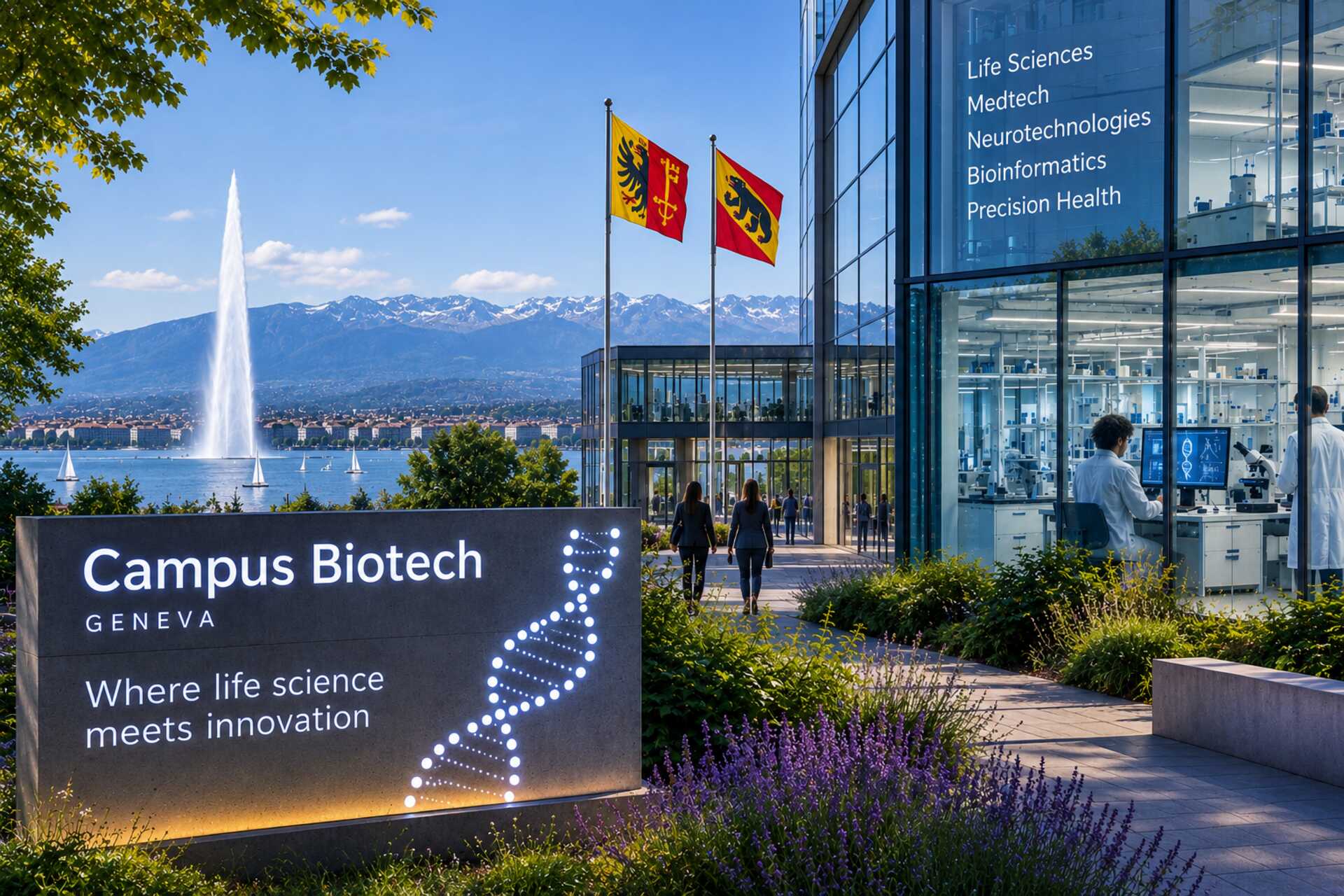
Among the cases cited in the GGBa documents are Glueckkanja, a German IT and cloud services company with a Swiss hub in Bern, Rockstone Engineering, an Irish company active in engineering and automation for life sciences at the Marly Innovation Center in the Canton of Fribourg, Biolizard, a Belgian bioinformatics and data consultancy company based at the Biopôle in Epalinges, ADMCS, a French company working on blockchain applications for global maritime traffic management in Neuchâtel, and BrainScape Medical, an American neurotechnology startup present at the Campus Biotech in Geneva.
In 2025 the same area reported other settlements, including Meanwhile, French autonomous mobile robotics startup at the Marly Innovation Center, DECUBE, a Belgian group active in technical and industrial services in Microcity, Neuchâtel, Paragon Mobility, a French provider of mobility solutions with a presence at the Switzerland Innovation Park Biel/Bienne, and Kairos Quantum Solutions, a South Korean company developing quantum technologies for risk management in the Canton of Vaud.
This geographical distribution illustrates a characteristic of the Swiss model: specializations are not concentrated in a single hub. Zurich excels in AI, robotics, and tech finance; Zug maintains a leading role in cryptography and Web3 infrastructure; Geneva and Vaud are strong in life sciences and applied research; Neuchâtel and Fribourg offer scope for microtechnologies, automation, and advanced industry; Bern and Biel connect mobility, manufacturing, and technical services.
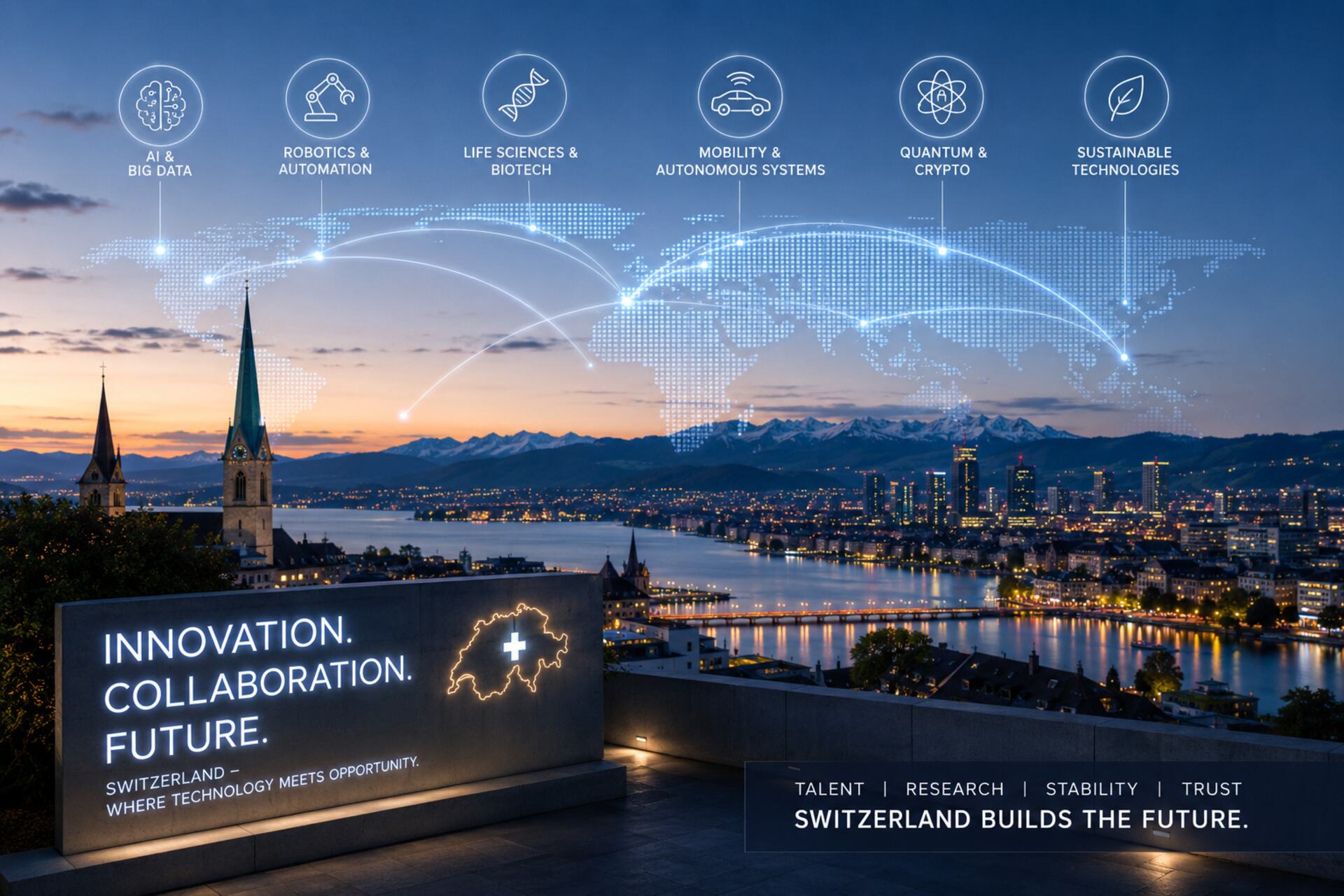
A nation that is always attractive for highly technically intensive companies
The observed settlements suggest some recurring motivations. The first is access to rare skills. In frontier technologies, it's not enough to hire generic developers or engineers: you need profiles with machine learning algorithm , robotics, embedded systems, functional safety, bioinformatics, cryptography, data science, materials, automation, and experimental validation. Switzerland offers a qualified pool, but above all, a network of universities, polytechnics, and application centers that facilitates international recruitment.
The second reason is proximity to industrial markets and customers. For a robotics company, an autonomous systems provider, or a biotech startup, being in Switzerland can mean interacting with precision manufacturing, pharmaceuticals, medtech, banks, insurance companies, transport operators, and public institutions. In other words, the country is more than just an administrative headquarters: it can become a testing ground for complex solutions, especially when regulations require ongoing dialogue between companies and authorities.
The third dimension concerns reputation. For companies operating in sensitive areas, such as personal dataWhether in AI, autonomous vehicles, neurotechnology, or cryptographic infrastructure, establishing a presence in Switzerland can convey a sense of trustworthiness, institutional neutrality, and compliance focus. This doesn't eliminate risks, but it can facilitate relationships with investors, industry partners, and regulated clients.
There are many open questions. The arrival of foreign companies can boost skilled employment and knowledge transfer, but it also raises questions about the cost of living, availability of space, competition for talent, dependence on foreign groups, and the ability of local startups to compete for staff and capital. For institutions, the challenge is to transform these settlements into long-term value: scientific collaborations, stable employment, industrial spin-offs, new entrepreneurship, and strengthening local skills.
The most important data, therefore, is not just the number of companies attracted. It is the qualitative composition of the arrivals. The presence of actors such as OpenAI, anthropic, Baidu Apollo, skydio, Estun, Exa, Zinc alloy, Biolizard o Kairos Quantum Solutions This indicates that Switzerland is perceived as a suitable location for developing and validating complex technologies. The next step will be to measure how these presences will contribute to new skills, patents, industrial collaborations, and local production capacity.
“What do you know about Switzerland” (especially about innovation)?
EMPA, EAWAG, WSL, and PSI: Switzerland's four research institutes
Here are three insights that might interest you:
Schwyz entrusts the transfer of AI and robotics to CSEM
The imprint of innovation to attract companies and tourism
Swiss challenge to global AI: an open-source giant is born
caption]