


 SEARCH


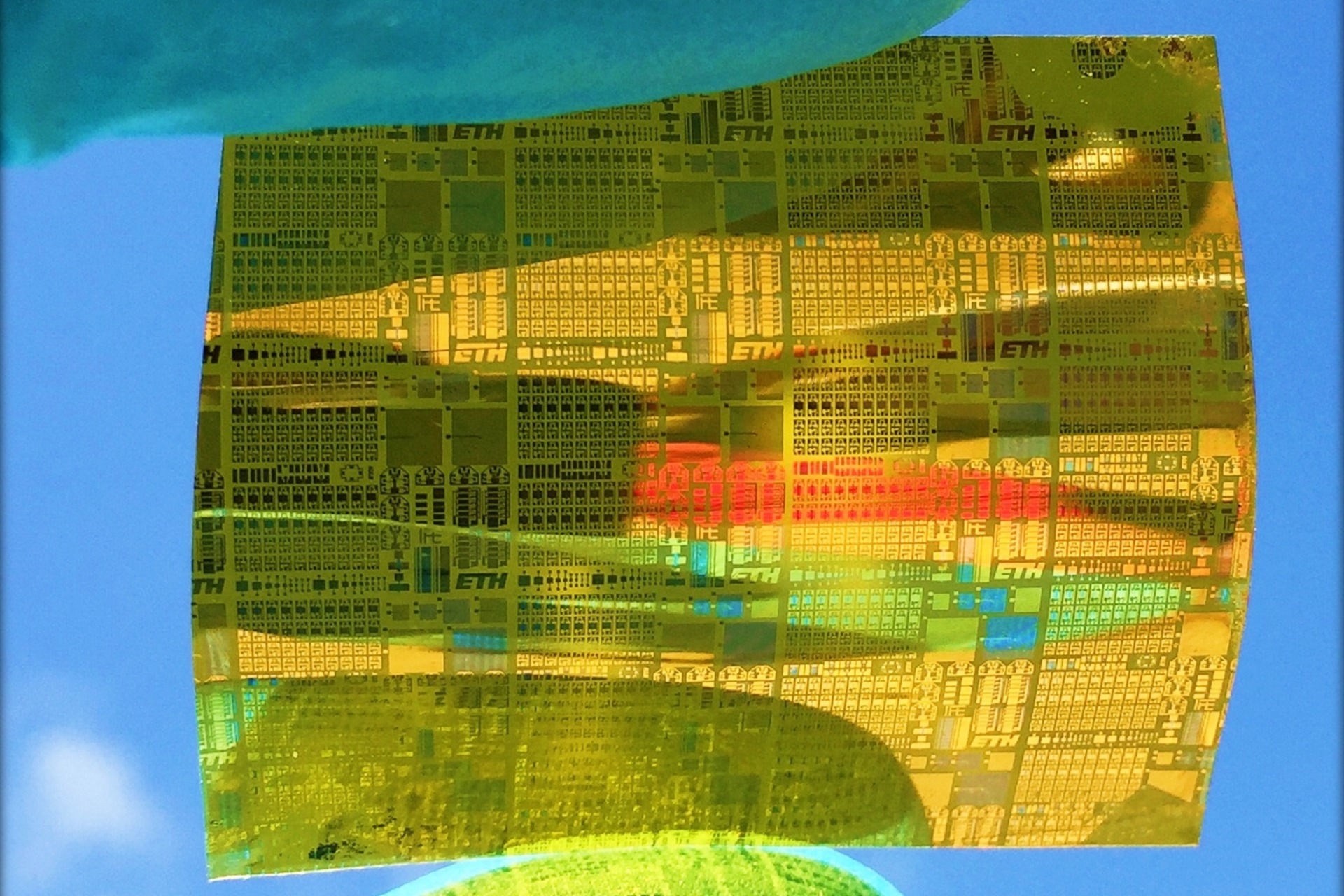
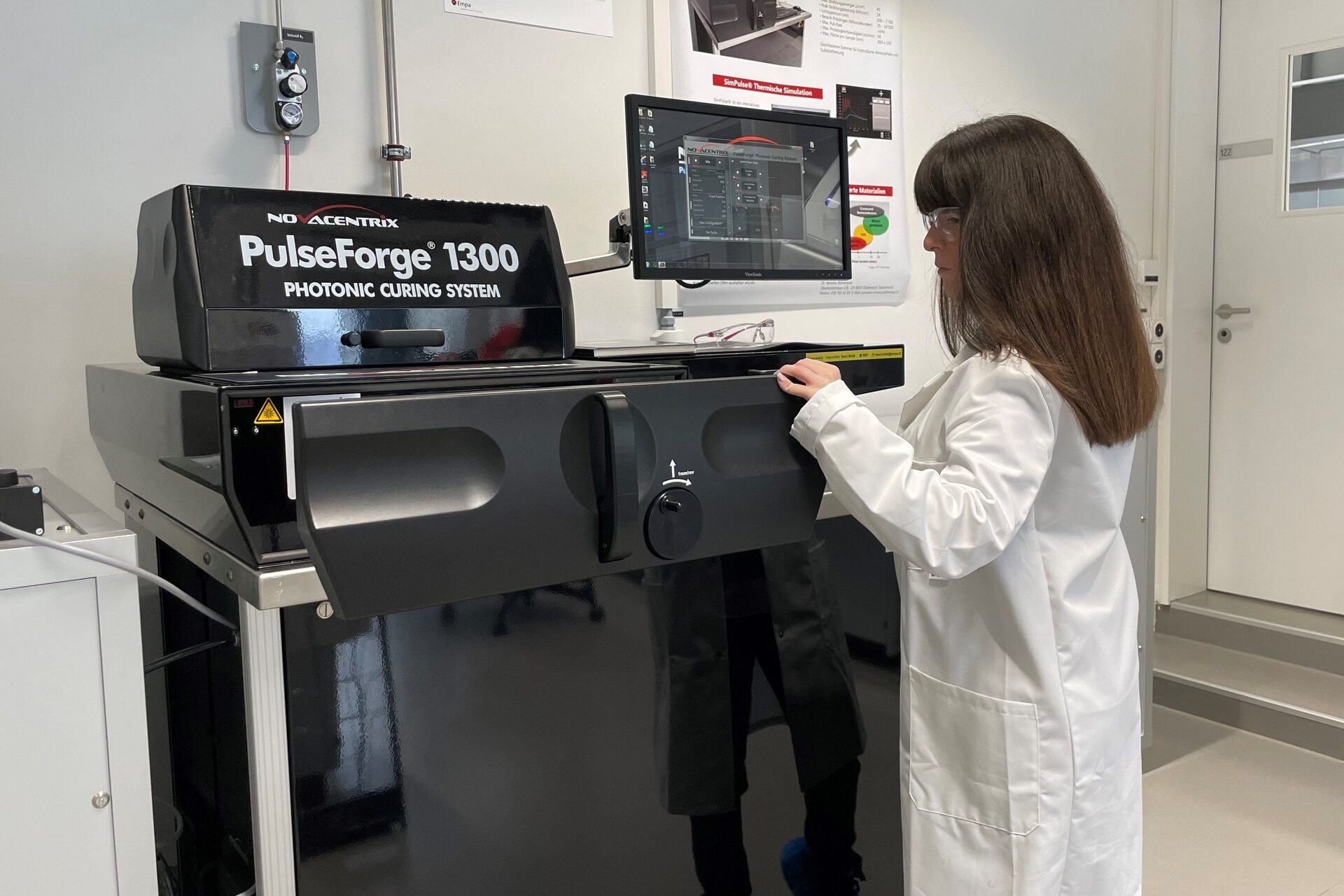
In the FOXIP project, researchers from EMPA, EPFL and PSI sought to generate electronic circuits even on heat-sensitive materials
(Photo: EMPA)
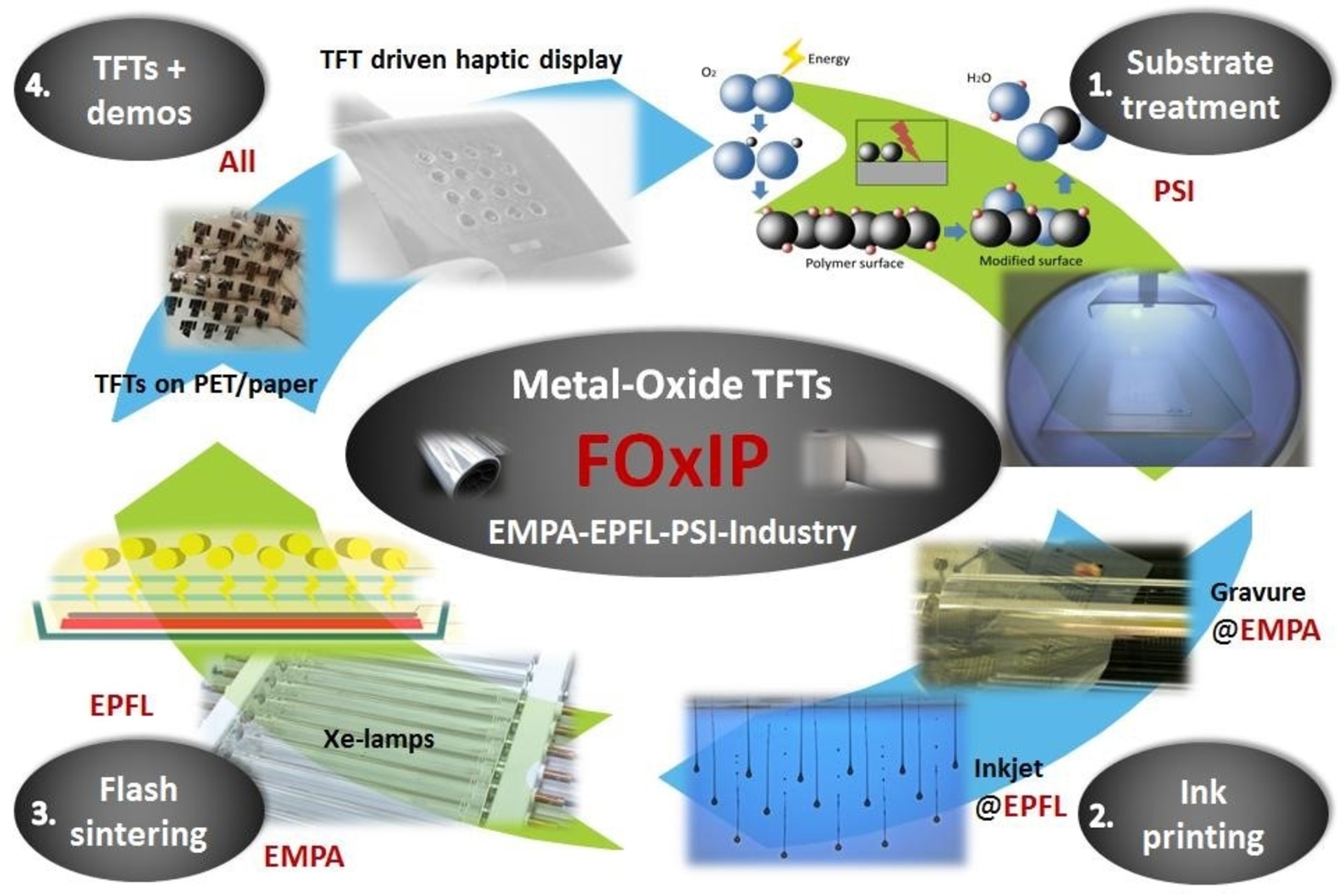
In the FOXIP project in Switzerland, researchers from EMPA, EPFL and the Paul Scherrer Institute sought to print thin-film transistors with metal oxides on heat-sensitive materials such as paper or PET.
The goal has not been achieved, but those involved consider the project a success, thanks to a new printing ink and a transistor with a "memory effect".
Thus EMPA rail pads reduce noise along railways
(Photo: EMPA)
Looking for new technical solutions for the "Internet of Things"
The bar was undoubtedly high: in the Swiss research project Functional Oxides Printed on Polymers and Paper (FOXIP) the goal was to be able to print thin-film transistors on paper substrates or polyethylene terephthalate (PET) film.
Electronic circuits with such elements play an important role in the growing "Internet of Things" (IoT), for example as sensors on documents, bottles and packaging, a global market worth billions.
If it were possible to produce such transistors with inorganic metal oxides, it would open up a plethora of new possibilities.
“Compared to organic materials, such as the semiconductor polymer polythiophene”, explains project manager Yaroslav Romanyuk of EMPA's Laboratory for Thin Films and Photovoltaics, “The electrons in these materials are much more mobile. They could therefore significantly increase the performance of these elements and would not need to be protected from air and humidity with expensive encapsulation”.
Is copper exposure at the root of Parkinson's disease?
(Photo: EMPA)
The challenge of heat: how to carry out drying and sintering?
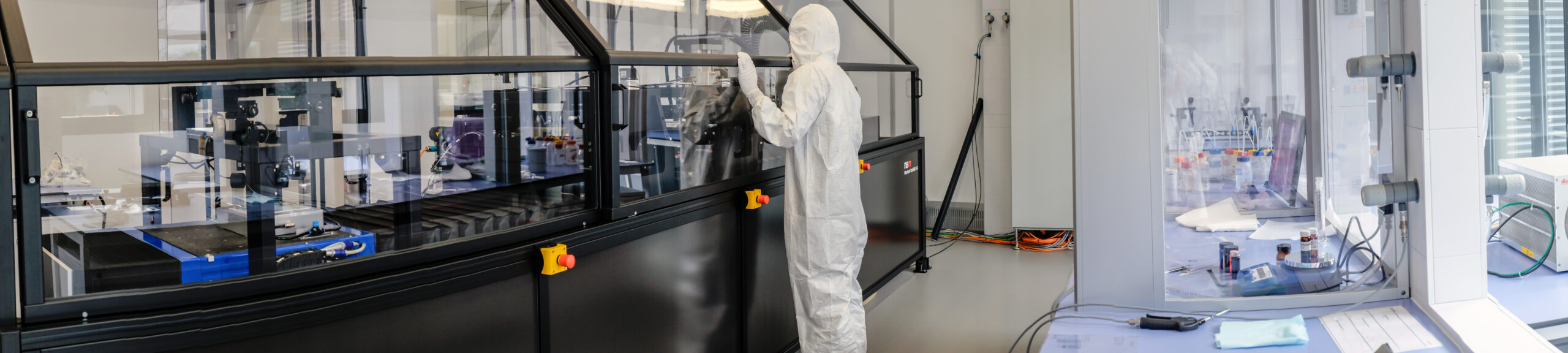
There's a problem with inks containing metal oxides: To form a stable transistor, the materials need to be sintered after printing, typically in a furnace.
Alternatively, drying and sintering can be performed with light, such as low-wave ultraviolet radiation or a xenon lamp.
The printed layer is heated with very short flashes of light to protect the substrate. Water, solvents and binders leave the material in the process.
However, these processes heat the substrate up to 200 degrees: too high a temperature for paper or PET, which starts to lose its strength already at temperatures around 80 degrees, while other plastics such as polyimides resist much higher temperatures .
The art of the ancient luthiers lives again thanks to a treatment with mushrooms
(Photo: EMPA)
The beginning was with the “Strategic Focus Area – Advanced Manufacturing”
From 2017 to 2021, as part of a project of the "Strategic Focus Area - Advanced Manufacturing" (SFA-AM) initiated by the Council of Federal Institutes of Technology, experts from the Swiss Federal Laboratory for Materials Science and Technology, from Soft Transducers Laboratory of the Federal Polytechnic University of Lausanne and the Polymer Nanotechnology Group of the Paul Scherrer Institute (PSI) worked together on each stage of the process: for example, the coatings to smooth the paper surface, the formula of the inks, the irradiation and so on , and they've made a lot of progress.
But their "last wish", as Romanyuk says, to print thin-film functional transistors on paper did not come true.
The process temperatures were still too high, and the material too rough. Transistors printed on polymer films eventually had too low an electrical yield.
Always expect the unexpected…
An unforeseen research building in Dübendorf
(Photo: EMPA)
No disappointment of researchers precisely by virtue of some discoveries
If you ask Jakob Heier of the Functional Polymers Laboratory at EMPA if he feels disappointed, the answer is no: “The project was by no means a failure”, arises.
And not only because of the new insights into the technical details, but also because of the unexpected “side results”.
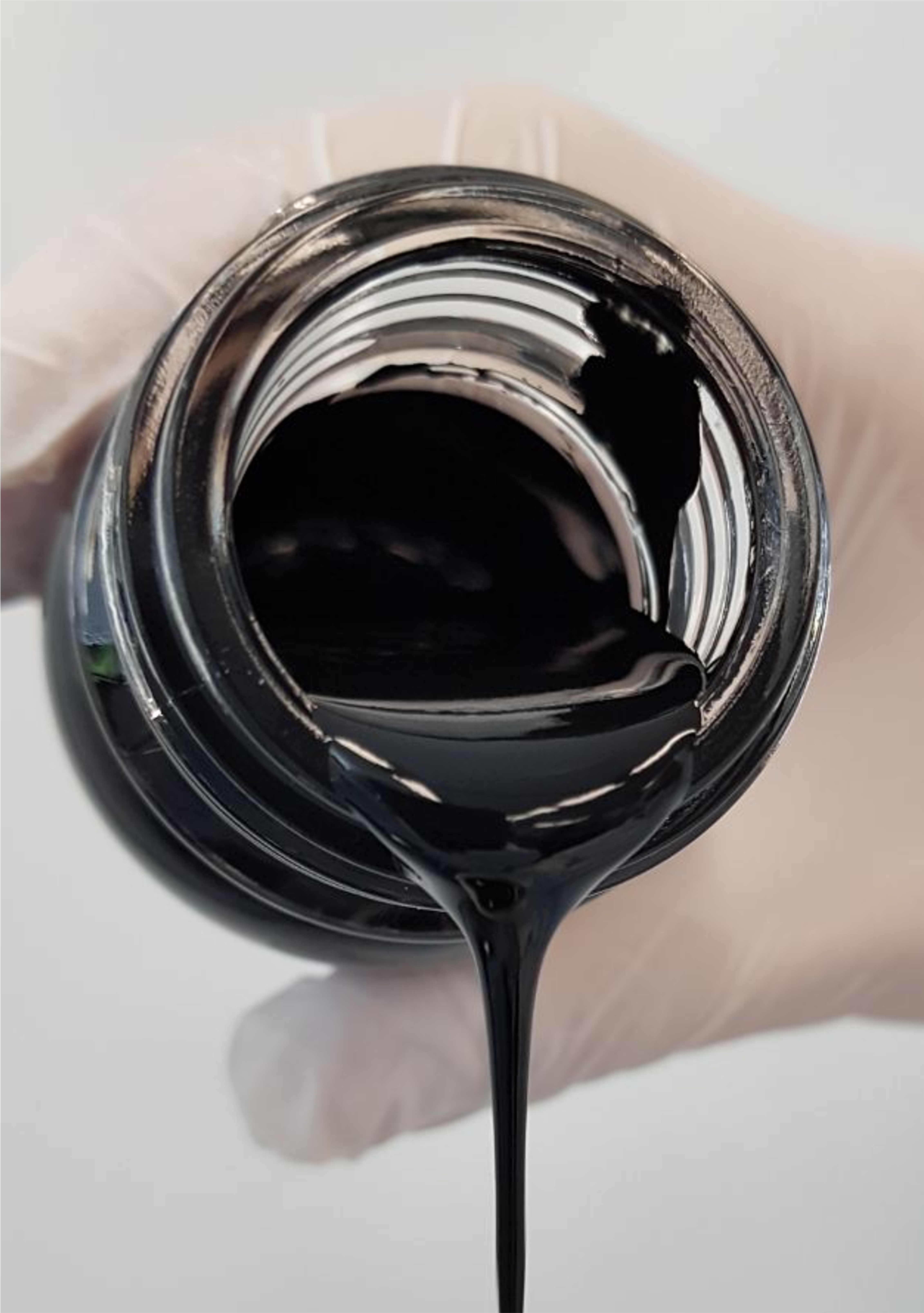
“It was a very exciting project, and with many surprises”, says Heier, recalling an incident that would have consequences, involving the material graphene: conductive carbon in layers as thin as an atom, also suitable for transistors printed on flexible films.
One PhD student on the team was not satisfied with the fact that graphene inks could not be printed at higher concentrations.
The particles aggregate, clump together, and a thin film can't form that way.
Instead of using just one solvent, the collaborator tried a special emulsion of graphene and three solvents. But this coating also failed on the first try.
When the ink was stirred evenly in the next attempt and then subjected to light shear forces, however, the print was successful.
From PSI an unprecedented effective combined treatment of cancer
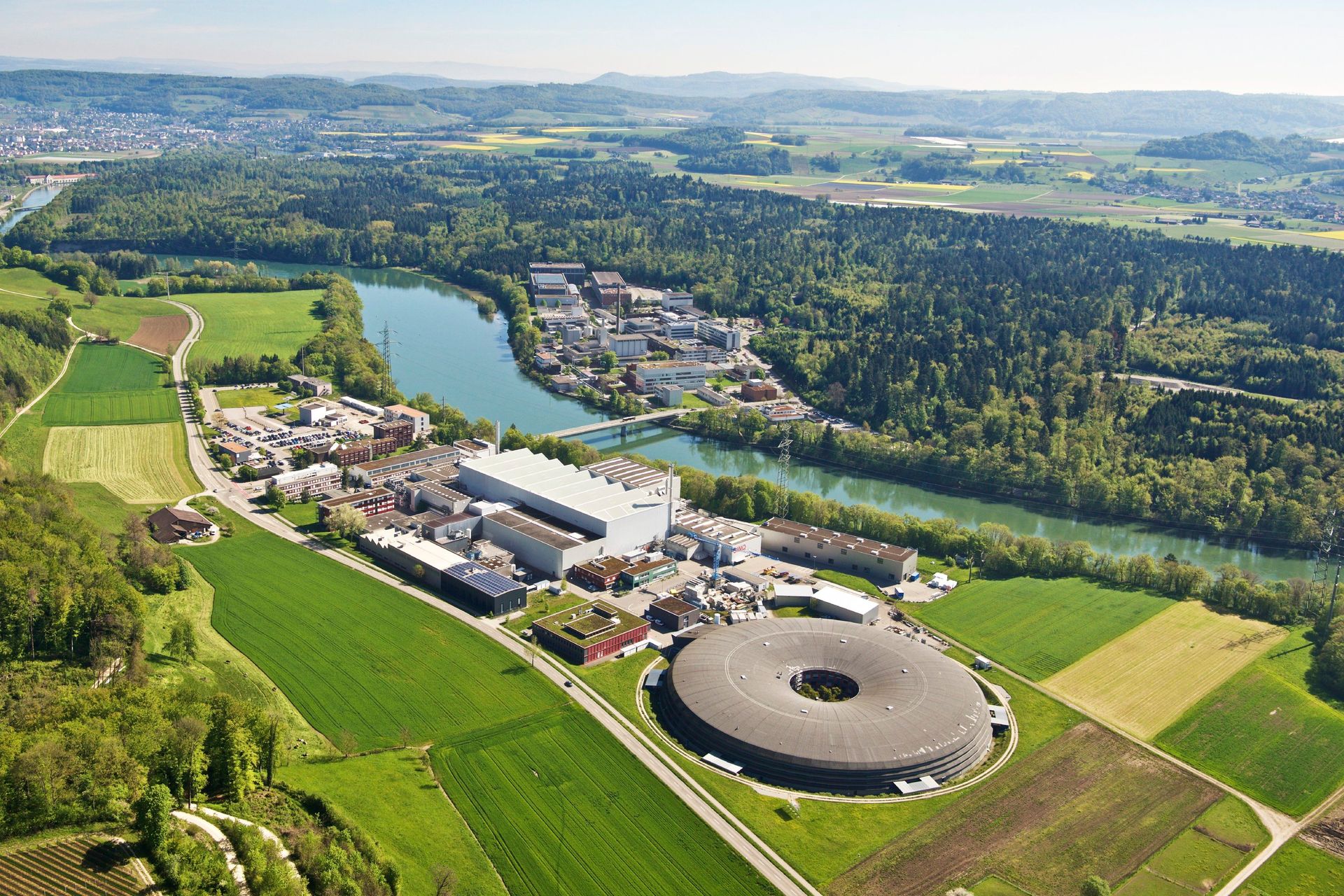
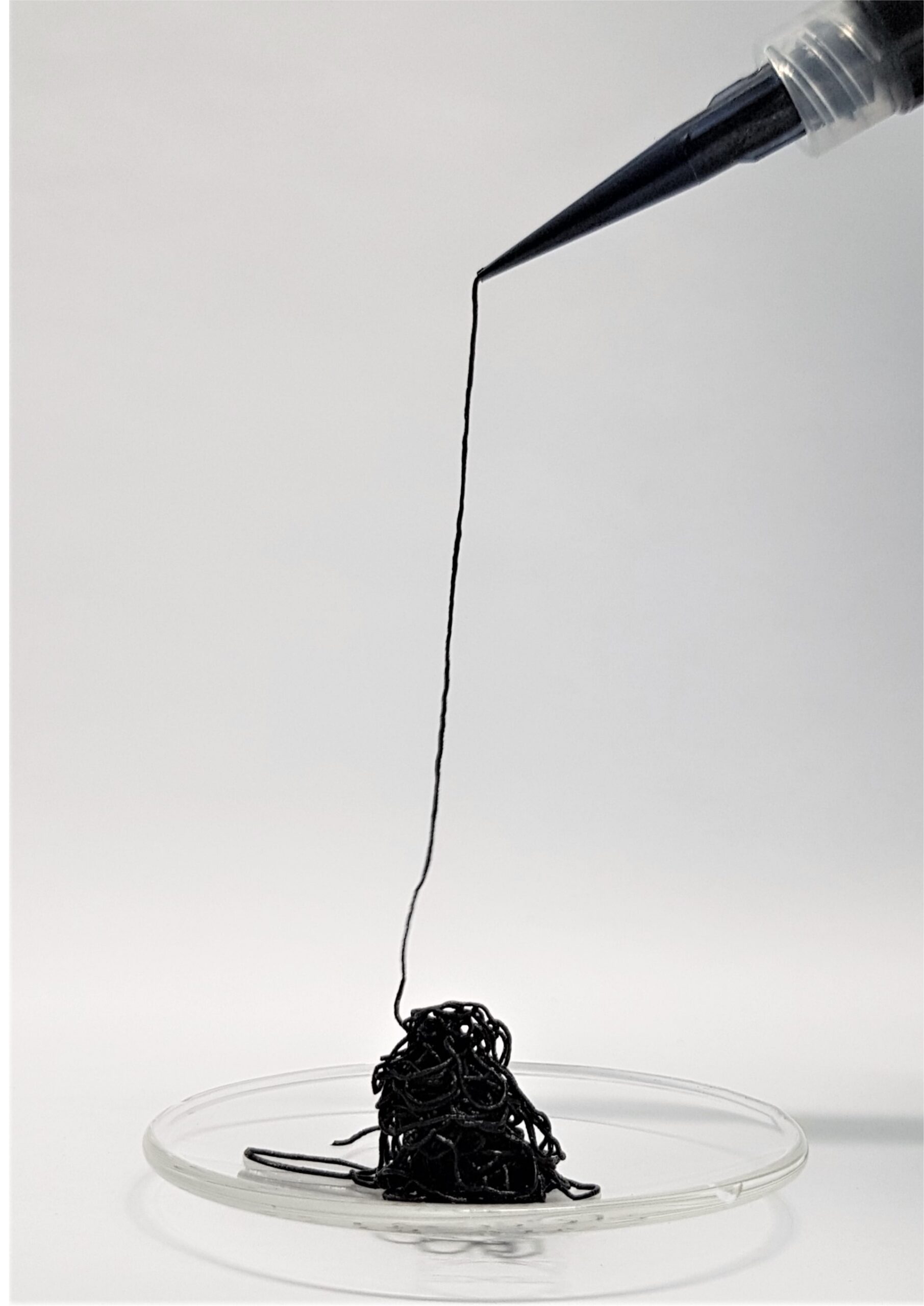
Gel-like inks due to shear effect on Van der Waals forces
Intrigued, the experts studied the phenomenon and discovered that shear forces radically change the structure of the ink.
The fine flakes of graphene in the liquid reform again, so that Van der Waals forces now come into play: relatively weak attractive forces between atoms or molecules.
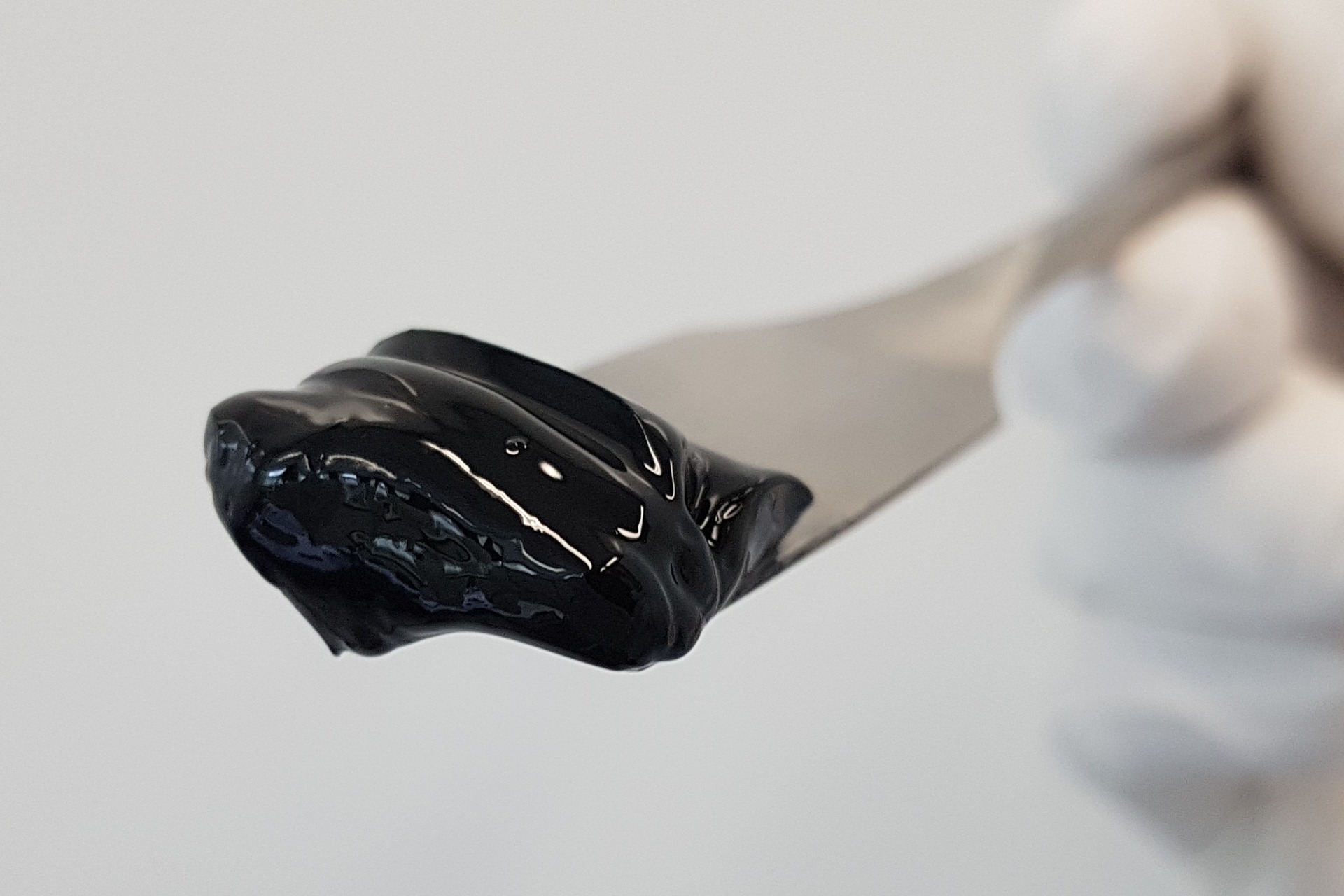
The result is a gel-like ink, without binders such as polymers, which otherwise ensure that the liquid retains its consistency and does not separate.
In Switzerland created a paper battery with water switch
A cold writing with other two-dimensional substances for printing?
It is a solution with practical advantages that also works at room temperature; the ink dries without heating.
As it turned out, these van der Waals inks can be made not only with graphene, but also with other two-dimensional printing substances.
In the meantime, the process has been patented and some companies, according to the experts, are already showing interest in producing the coveted inks: all this after a pure coincidence, which the work team has followed with healthy curiosity.
That's not the only surprise of the FOXIP project, as Yaroslav Romanyuk tells us.
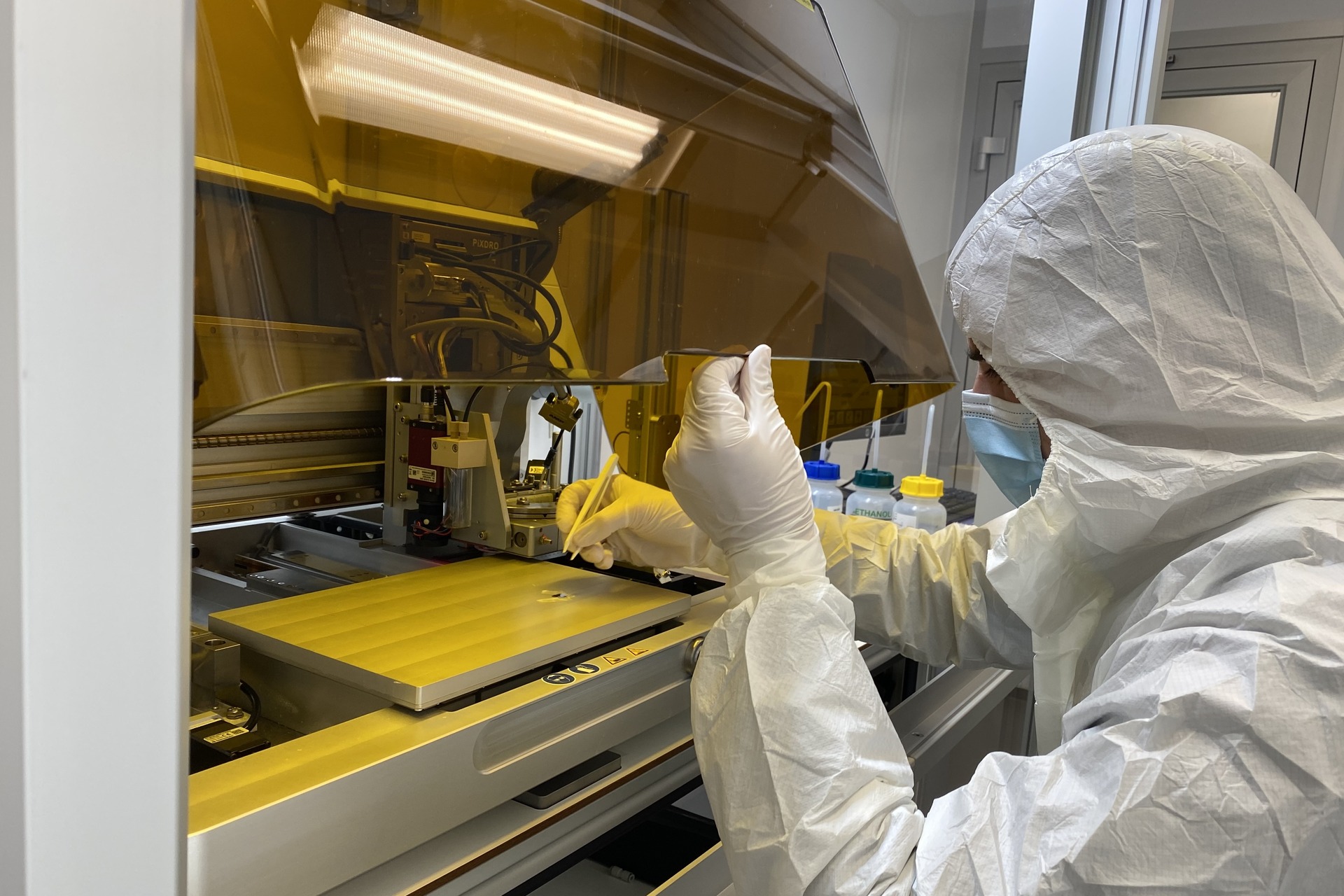
When it is light that improves the performance of integrated circuits
(Photo: EMPA)
Singular (and useless?) transistor capable of “remembering” incoming signals
A field-effect transistor with an insulating layer of aluminum oxide, printed on a heat-resistant polyimide plastic material, exhibited a rather peculiar behavior.
Instead of a constant signal, as one would have expected, it showed increasing waves: the signal in output became louder because it "remembered" previous input signals.
“Showing such a 'memory' effect is actually undesirable for a transistor”, explains Romanyuk.
But another student on the team came up with the idea of using the phenomenon in a different way.
A transistor with this memory effect works similar to circuits in the human brain. Synapses between nerve cells not only transmit signals, but also store them.
For computers that mimic the human brain, such a synaptic transistor could therefore be of great interest. But what could it do?
The "acoustic black holes" of wood as noise traps

Up to 50 thousand Hz with the rondo "Alla Turca" from Mozart's Sonata number 11
To explore its potential, the joint team of researchers from EMPA, EPFL and PSI built an electronic copy of the human auditory process, together with the thin-film transistor, and fed it a popular melody by Wolfgang Amadeus Mozart: the rondo “Alla Turca” from Sonata number 11 in A Major.
“It was supposed to be a lively piece”, says Romanyuk with a smile.
This experiment and further analyzes demonstrated that the synaptic function of the transistor is preserved from a few Hertz to nearly 50.000 Hertz, i.e. a much higher bandwidth than similar printed transistors.
Of course, no concrete applications are yet in sight for this fundamental research, which the team has published in the online journal 'Scientific Reports', unlike the printing of binderless inks.
But on the road to new information technologies, this intuition can be a useful step that came as a surprise, as often happens in the history of science.
These coincidences are the icing on the cake, so to speak, for Yaroslav Romanyuk and many other researchers, especially in projects at the frontier of the feasible.
“We have deliberately set our goals very high”He says.
“Coincidences play a very big role in this! You set yourself a great challenge and then, suddenly and unexpectedly, these coincidences happen…”.
An unprecedented engine is made-in-Switzerland… 8 or 12 times
(Photo: EMPA)


