SEARCH



A new technology hub and innovative underwater infrastructure are pushing Chile toward a central role in polar and global research.
Chilean Patagonia is at the center of a strategic transformation that intertwines technology, science, and diplomacy. The inauguration of the new digital hub in Magallanes, promoted as part of the “Patagonia Project PoP”, and the launch of the feasibility study for a submarine cable to Antarctica outline a future in which Chile will no longer be perceived as an extreme periphery, but as a crucial platform for global scientific cooperation.
In mid-September 2025, these two initiatives of the Government of Santiago will advance hand in hand, configuring a road map that aims to connect isolated territories and project the country among the protagonists of international research.
The Digital Leap to the Deep South: The Patagonia Project PoP
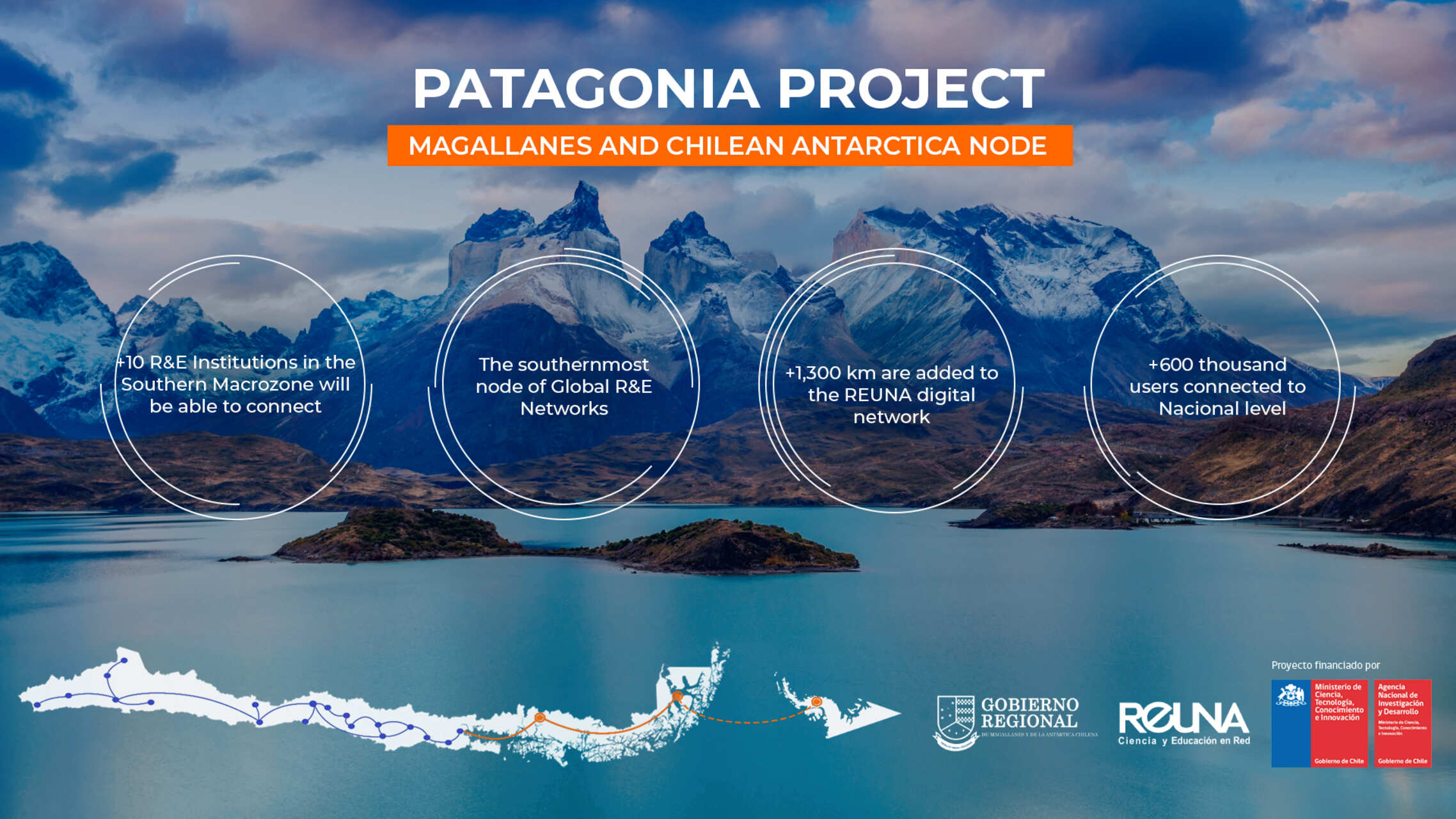
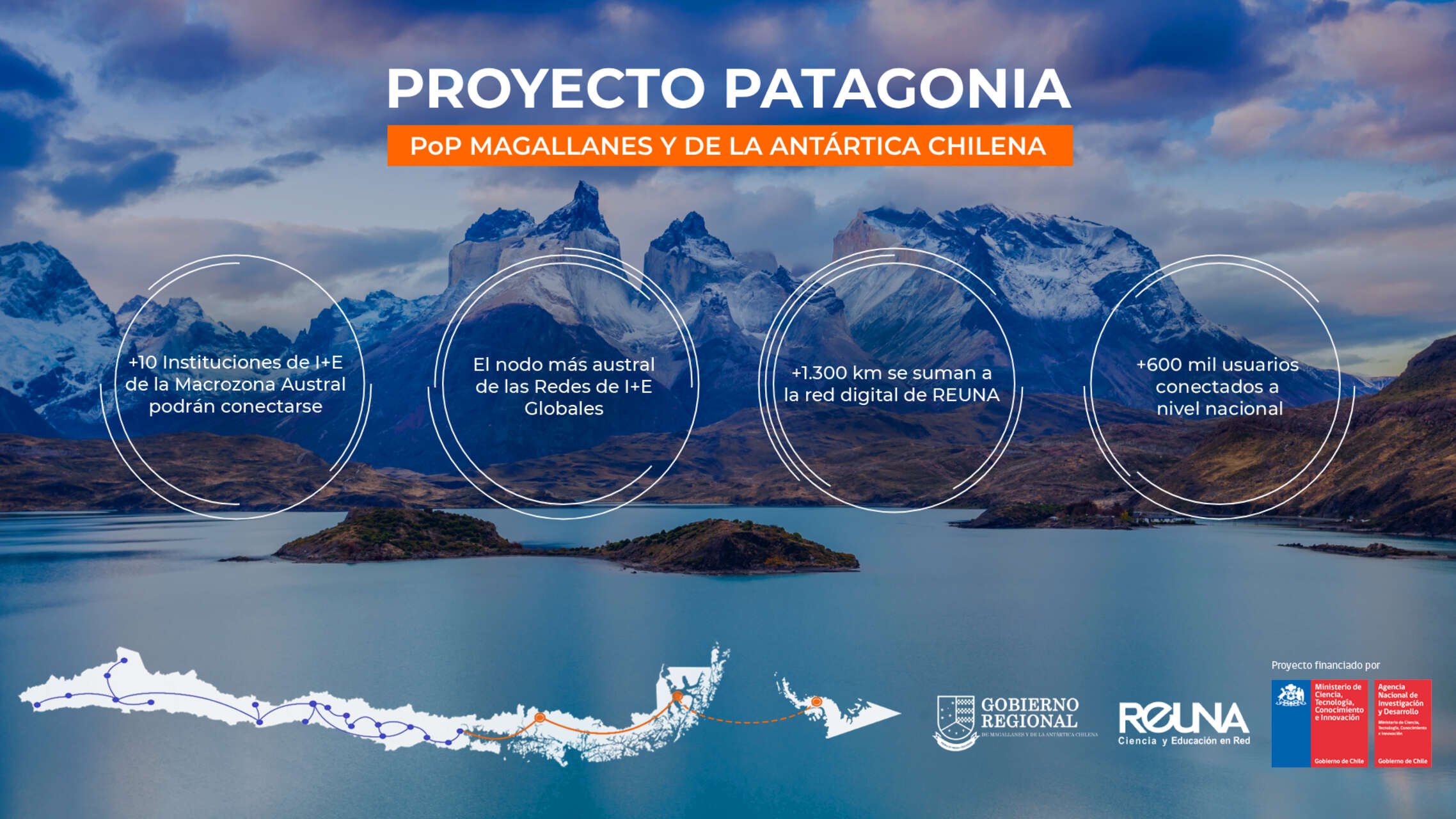
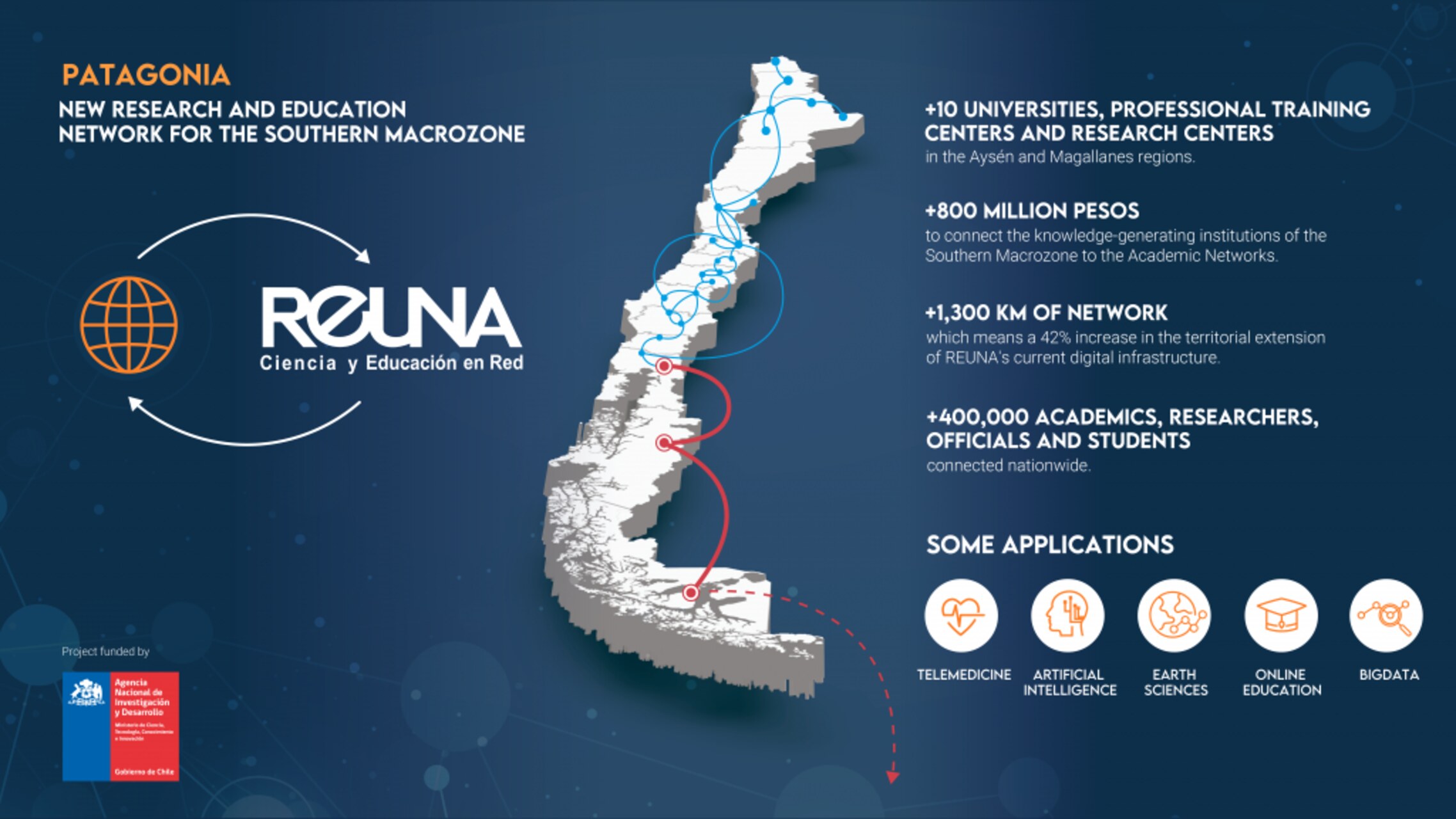
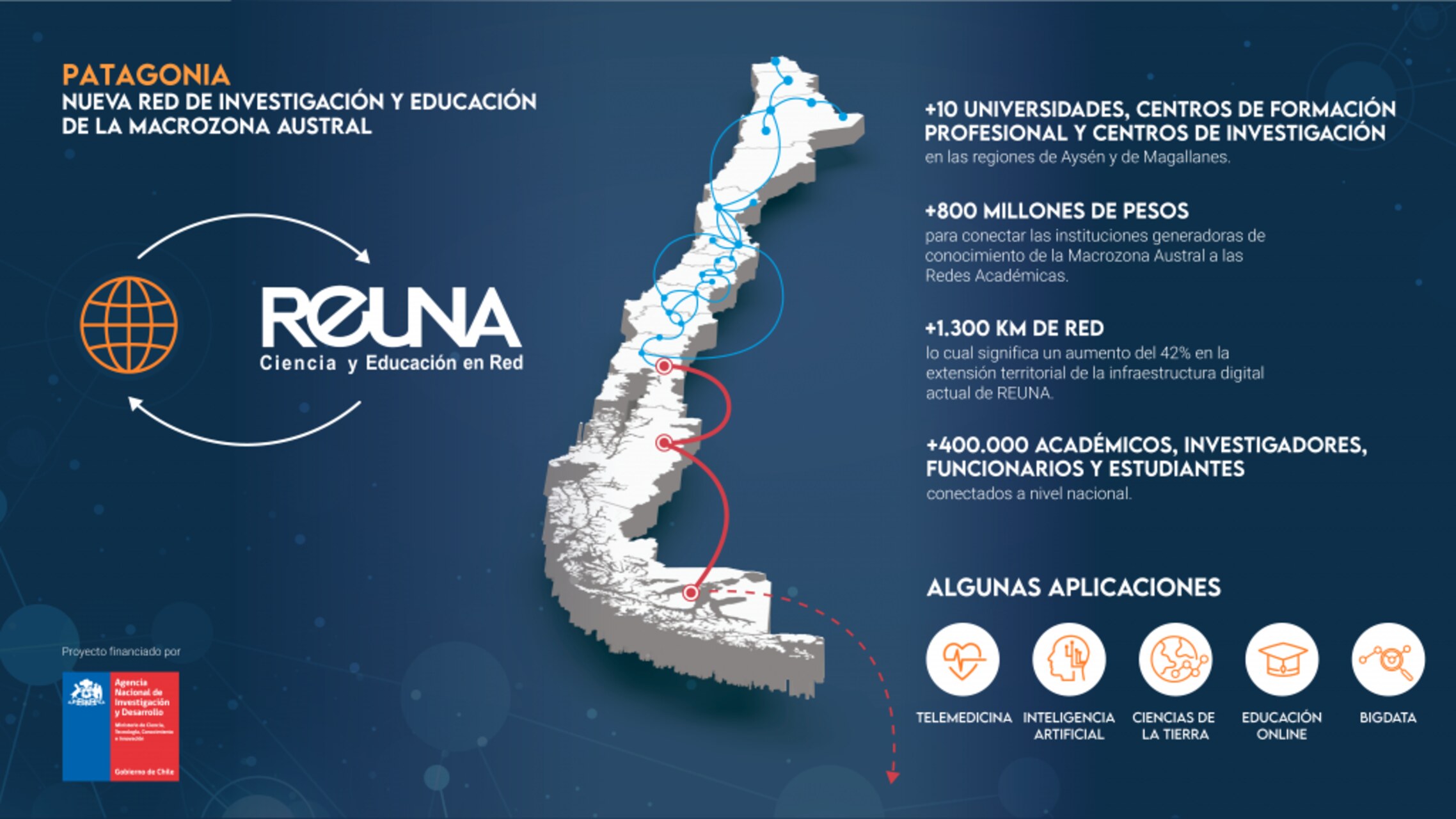
Il “Patagonia Project PoP” represents a fundamental step in strengthening the scientific ecosystem of the extreme south of Chile. Coordinated by the Ministry of Science, Technology, Knowledge and Innovation through the ANID, in collaboration with the REUNA National University Network and with the regional government of Magallanes, the project inaugurated a new “Point of Presence” capable of significantly expanding the connectivity capacity of the southern macro-zone.
The network now extends well beyond Puerto Montt, adding more than 1.300 kilometers of infrastructure and increasing overall coverage by 42 percent.
Thanks to this expansion, institutions such as the University of Magallanes, the Chilean Antarctic Institute, the University of Aysén, and research centers dedicated to ecology and agriculture finally have access to a world-class digital infrastructure.
It is a step that allows the transfer of large volumes of data and satellite images quickly and safely, an essential condition for studies on climate change, glaciology and astronomical observations.
For Paola Arellano Toro, Executive Director of REUNA, this network
“positions Magallanes as a natural laboratory, scientific hub, and gateway to Antarctica.”
His words epitomize a shift in perspective: the country's most remote territory is no longer a limitation, but a strength for attracting global collaboration and experimenting with otherwise impossible innovations.


Towards Antarctica: An undersea cable will change research
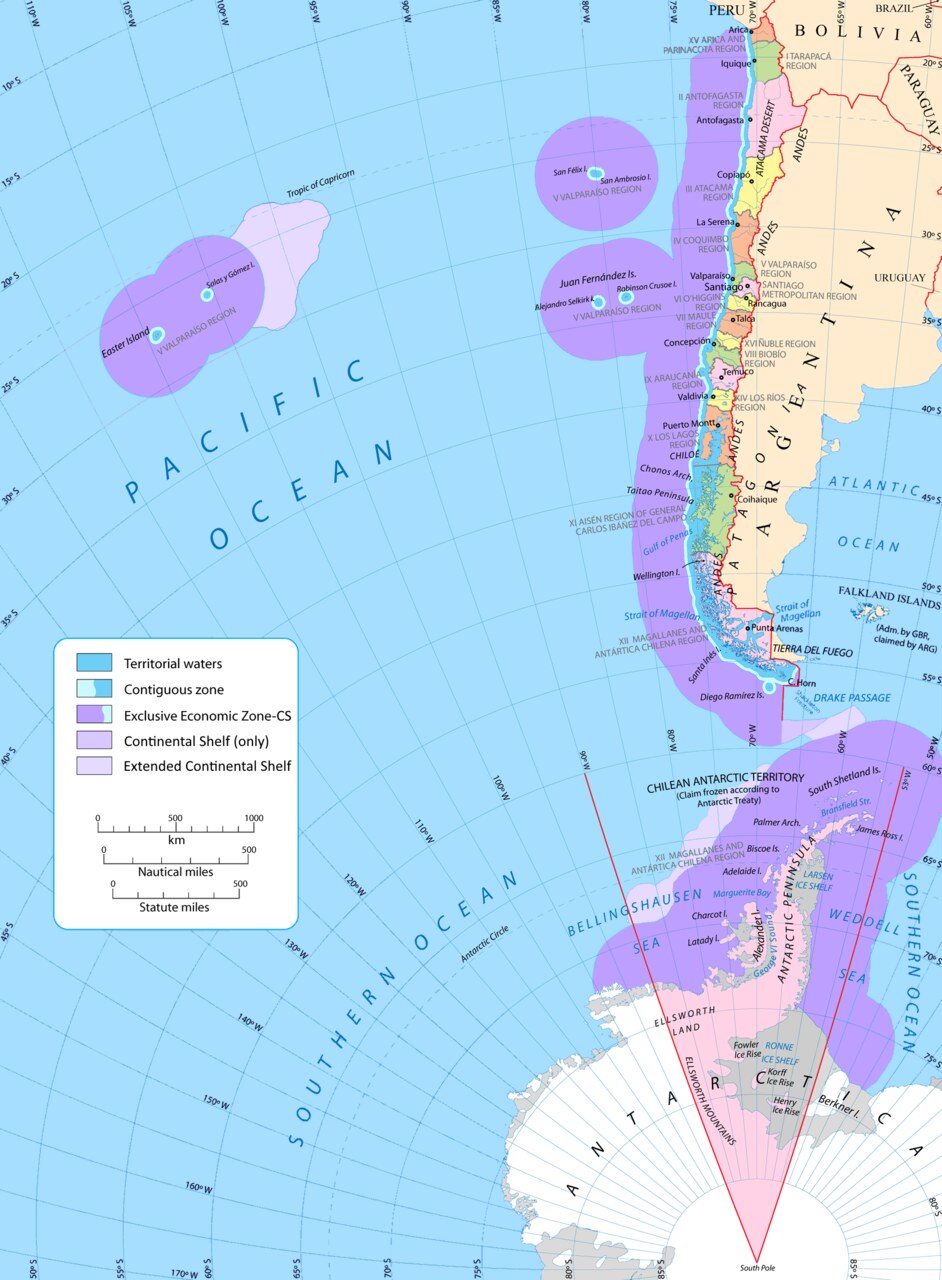
Making this phase even more significant is the start of the feasibility study for the ”Chile–Antarctica Cable Project”, an infrastructure of approximately one thousand kilometers that will connect Puerto Williams, in Tierra del Fuego, with King George Island, the gateway to the white continent.
If realized, this fiber optic cable will replace the current satellite connections, characterized by structural limitations, with a network low latency and to high capacity.
The Undersecretary of Telecommunications Claudio Araya he underlined the importance of this technological leap:
"Currently, Antarctica only has satellite-based solutions; being able to connect this region via fiber optics will allow us to strengthen the scientific research of all those who currently make significant contributions from that region."
His words highlight how the initiative is not just an infrastructure project, but a pillar of international cooperation and scientific diplomacy.
The Governor of Magallanes and Chilean Antarctica, Jorge Flies Añón, he added that
“the remote nature and isolation of the region make any investment in connectivity vital,”
reiterating that
“our dream is to reach Antarctica.”
This statement well describes the spirit with which the region is facing this challenge: overcoming geographical limitations and transforming its peripheral position into a competitive advantage.
A double synergy between technology and scientific research
The "Patagonia Project" and the Antarctic cable should not be seen as separate initiatives. They are two sides of the same strategy, aimed at building an integrated system capable of connecting southern Chile with the rest of the world and, at the same time, including theAntartide in a global flow of data and knowledge. The PoP provides a high-capacity land base, while the cable will open the possibility of extending connectivity beyond the Drake Passage.
This synergy has profound implications. Local universities and research centers will be able to process real-time climate and environmental data from Antarctic stations.
Research bases on King George Island, currently forced to send information through slow and expensive satellite channels, would have access to digital infrastructure aligned with international standards.
In this way, studies on the biodiversity, on the destruction of glaciers, on extreme weather phenomena and even on the new sea routes linked to the melting of the ice could make use of tools that were unthinkable until a few years ago.
The many environmental, geopolitical and financial challenges
Naturally, projects of this scale face significant obstacles. Antarctica is one of the most fragile ecosystems on the planet, and any intervention, including the laying of a cable, must comply with the constraints imposed by the Antarctic Treaty and international environmental protection regulations.
Risks related to marine disturbances, impacts on habitats and possible unforeseen consequences are the focus of ongoing technical assessments.
Beyond environmental concerns, geopolitical issues arise. Digitally connecting Antarctica means strengthening a country's presence in a region where international cooperation, not exclusive sovereignty, prevails.
Transparency, multilateral cooperation, and respect for the peaceful nature of the white continent will be key elements in avoiding tensions.
Finally, there's the financial issue. The costs of running a thousand-kilometer submarine cable in icy, turbulent waters are high, and maintenance is a constant challenge.
Reliable technology partners and a governance model capable of ensuring economic sustainability, international openness, and the involvement of the scientific communities that will benefit from the new infrastructure are needed.
The impact on the territory and local communities in Chile
The positive effects aren't limited to major research centers. The connectivity provided by the "Patagonia Project" is already improving the quality of life in the Magallanes and Aysén regions, bringing benefits in areas such as distance learning, telemedicine, and access to advanced digital services.
The local communities of the Chilean Antarctic Territory, accustomed to living with limited and expensive connections, are beginning to experiment with new opportunities linked to the digital economy and scientific tourism.
The possibility of reducing the digital divide The internal dimension of the country is one of the most significant aspects of this transformation. For decades, living in the far south of Chile meant facing technological and cultural isolation. Today, the region could become a natural laboratory not only for scientific research, but also for innovative territorial development policies.
International perspectives and comparison with other models
The Chilean project is part of a global trend that sees more and more countries investing in polar digital infrastructure.
In the United States, a "smart" cable to McMurdo Station, capable of integrating sensors to monitor the ocean floor, has long been under discussion. Similar connections are being studied in Australia and New Zealand, all aimed at reducing reliance on satellites.
In this competitive scenario, the Chile has the opportunity to position itself as a privileged technological and logistics hub for Antarctica.
Patagonia could thus become a crossroads of international cooperation, where scientists of different nationalities work side by side, exploiting unprecedented connectivity.
It is a perspective that is not only about the advancement of knowledge, but also about building an image of Chile as reference point for polar science.


Conclusion: a Patagonia that looks to the digital future
The challenge Chile is facing is clear: transforming a remote and fragile territory into epicenter of scientific innovation.
The “Patagonia Project PoP” and the submarine cable project to Antarctica are not just technological achievements, but instruments of a long-term vision that aims to redraw the geography of knowledge.
If environmental and geopolitical constraints are overcome intelligently and transparently, Chilean Patagonia will become a symbol of how the planet's margins can be transformed into vital research centers.
In this scenario, the Government of Santiago and an entire country will no longer be spectators of global dynamics, but leading actors, capable of bringing Antarctica and Patagonia into the global network.
Here are three insights that might interest you:
Humboldt, the first submarine cable between South America and Asia
Giving up profit to defend the planet: what the Patagonia case teaches
UN Ocean Treaty: Chile is the first country to sign