SEARCH


A study reveals how the extract of the seeds of a plant may replace chemical coagulants in the removal of PVC from drinking water

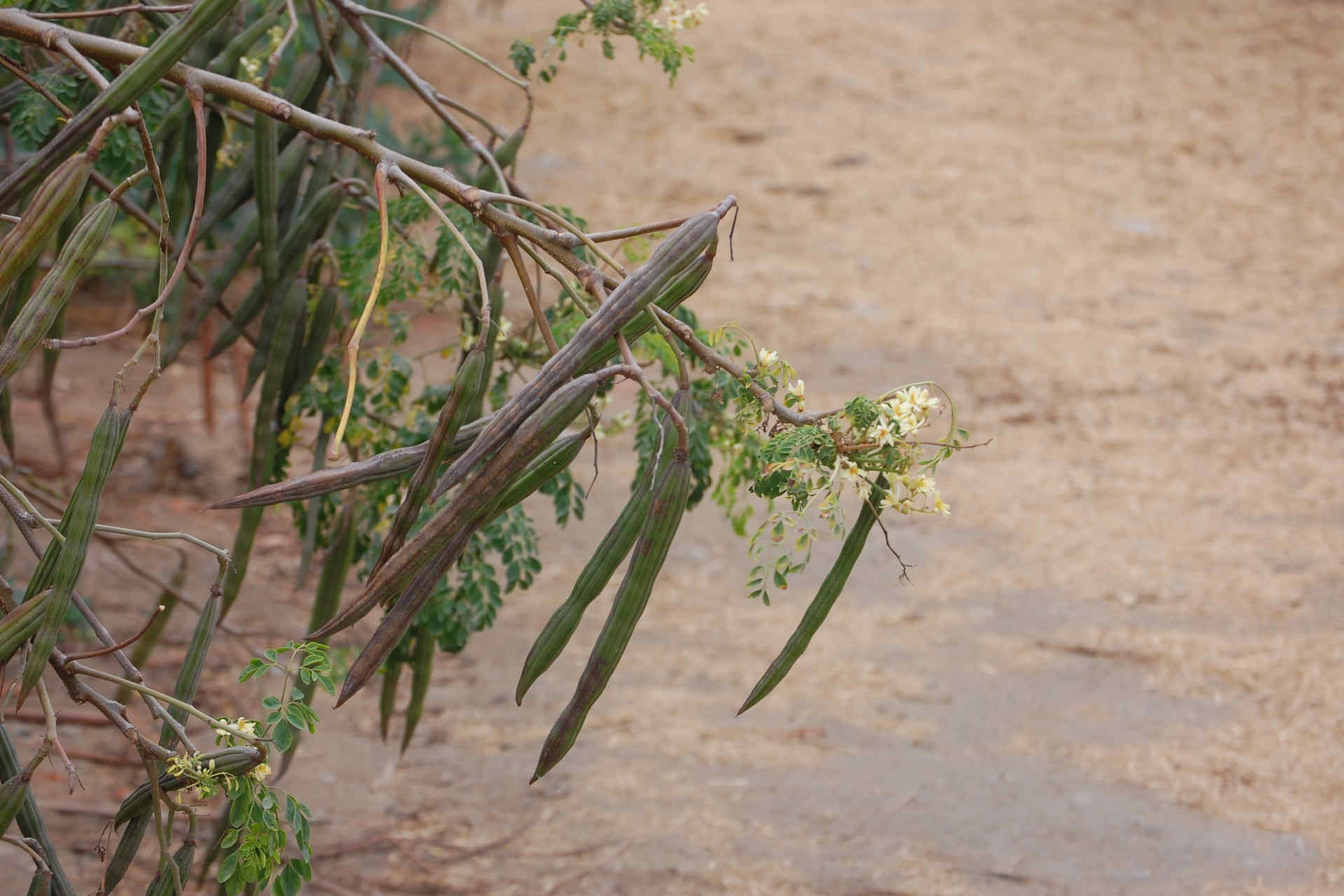
La Moringa oleifera continues to amaze the scientific community. Known for centuries for its exceptional nutritional profile, this plant is now proving to be an unexpected ally in the fight against one of the most insidious pollutants of our time: microplasticsA recent study conducted at the Institute of Science and Technology of the State University of São Paulo (ICT-UNESP) in São José dos Campos, Brazil, has in fact demonstrated how the extract of its seeds can replace chemical coagulants used in pollutant removal systems, offering a biological, economical and highly efficient solution for the purification of drinking water.
Moringa oleifera: The miracle tree against microplastics
Some know it as the "horseradish tree," due to the strong smell of its roots, which contain mustard oils. Others call it "miracle tree” or malunggay (literally “life-saving tree”), because each part of it has beneficial properties. And in fact the Moringa oleifera – native to the Indian subcontinent and now widespread throughout much of the tropical and equatorial zone – has been used for centuries in cooking and traditional medicine, and more recently has found use as a household cleaning product, as a pesticide, and as a biofuel.
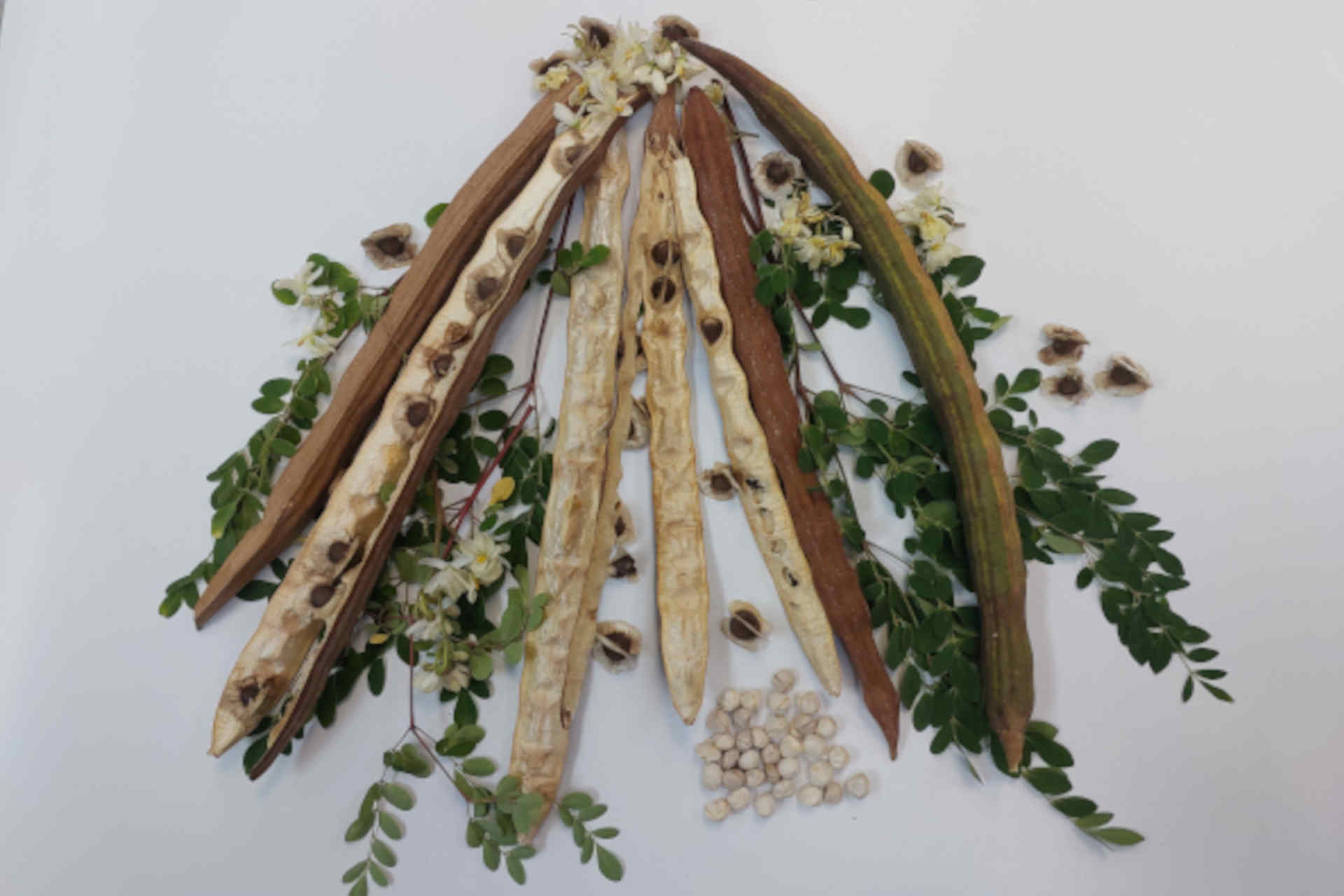
La Moringa oleifera It is also one of the very rare plants to contain the full range of amino acids necessary for protein needs, including those that our body is unable to produce. But its miraculous properties, apparently, do not end there. seed extracts of this plant, in fact, seem to be one of the most promising alternatives to the use of synthetic coagulants in removing microplastics from water.
Researchers have been studying the potential of these extracts in drinking water treatment for several years now. new Brazilian studio, however, seems to finally confirm their effectiveness in two very widespread methods for water purification: the direct filtration, which involves passing through a filter after a flocculation process in the tank, and the inline filtration, a system that involves injecting the reagent directly into the pipe that carries the water to the filter.
Moringa Seed Extract for Water Purification: A New Study
The new research, funded by the São Paulo Research Foundation (FAPESP) As part of the project “Direct and in-line filtration for the removal of microplastics from drinking water”, he investigated the efficiency of the saline extract of the seeds of Moringa oleifera in the removal of microplastics from polyvinyl chloride aged from low turbidity drinking water.
As the researchers explain, the choice fell on PVC because it is one of the most dangerous plastics for health human (its mutagenic and carcinogenic potential is now well documented) as well as one of the most widespread on the surfaces of water bodies and in water treated with traditional processes. In 2024, the study states, PVC microplastics represented the 12,8% of world production total plastic, ranking third in terms of production volume after polyethylene and polypropylene.
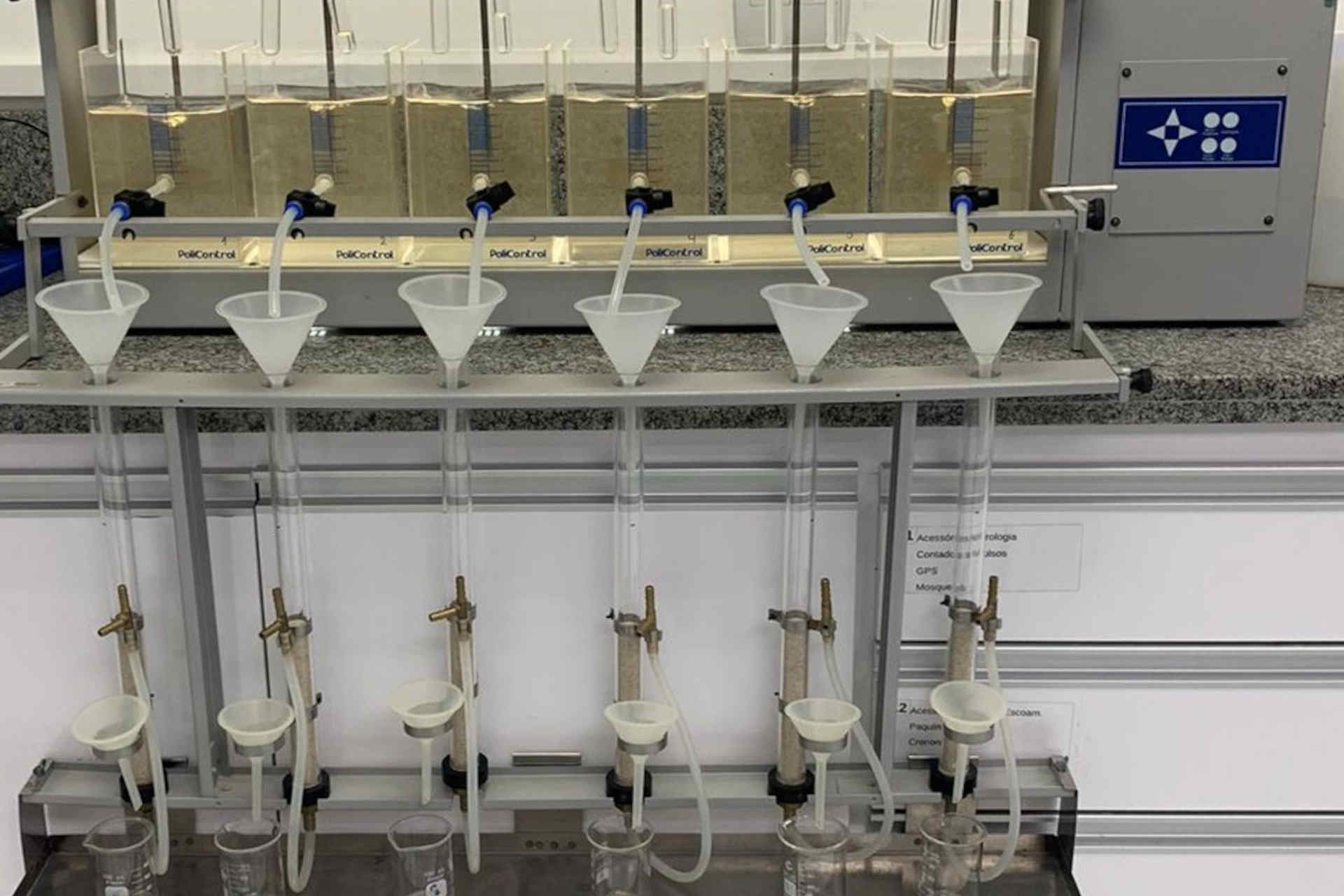
To simulate natural processes and reproduce the properties of microplastics actually dispersed in the environment, the researchers have artificially aged PVC using ultraviolet radiation. The water contaminated by this aged PVC was then subjected to coagulation and filtration in a Jar Test, a device that reproduces small-scale water treatment processes. The results were then compared with those of the same tests performed on water treated with aluminum sulfate, a compound used in traditional treatments.
"We demonstrated that the saline extract of the seeds is similarly effective to aluminum sulfate, used in sewage treatment plants to coagulate water containing microplastics. In more alkaline waters, its performance was even superior to that of the chemical."
explains Gabrielle Batista, first author of the study, at Agência FAPESP.
The importance of coagulation in removing microplastics
In previous research, the team demonstrated the effectiveness of moringa seeds for coagulation in a complete water treatment cycle, a process that includes flocculation, sedimentation, and filtration. In the newly published study, the focus was instead on direct filtration and on water treatment through inline filtrationIn this latter process – suitable for low-turbidity waters, i.e., those that do not require many preliminary steps – the water is coagulated, which destabilizes the particles, and then passes through a sand filter.
Whatever the method of removal, however, the coagulation The key step remains: without it, the flow of the fluid and the natural electrostatic repulsion between the particles would prevent them from stopping, allowing the PVC to bypass the filters.
Pollutants, the researchers explain, have a negative electric charge on their surface; in addition to repelling each other, they also repel the sand in the filters. Therefore, coagulants, such as aluminum sulfate, are essential: they introduce positive charges into the water that "screen" the negative surface charges: by breaking down this energy barrier, the particles can finally get close enough to allow the attractive London-van der Waals forces to prevail, ensuring theadhesion to the filter material.
A necessary solution (and a small inconvenience to be solved)
The main findings of the new study show that moringa seed extract achieves a removal efficiency (greater than 98%) comparable to that of alum, operating effectively over a wider pH range and offering significant operational benefits for water treatment plants. The researchers also demonstrated that in-line filtration, using the Moringa oleifera, offers performance equivalent to direct filtration – which eliminates the need for energy-intensive flocculation, significantly reducing operating costs.
How do you explain Adriano Gonçalves dos Reis, who coordinated the research:
"The only drawback encountered so far with aluminum sulfate is the increase in dissolved organic matter, the removal of which could make the process more expensive. However, on a small scale, such as on rural properties and in small communities, the method could be used economically and efficiently."
Future research, but this is true for all natural alternatives to synthetic coagulants, should focus on seed purification methods, thus minimizing the release of organic matter while maintaining the effectiveness of the natural coagulant. What is certain is that we need an alternative that is sustainable and safe for human health:
"There is growing regulatory scrutiny and health concerns surrounding the use of aluminum and iron-based coagulants, as they are non-biodegradable, leave toxic residues, and pose health risks. This is why the search for sustainable alternatives has intensified."
concludes Reis.
Here are three insights that might interest you:
Microplastic pollution: the solution comes from plants
Seeing the invisible: the sensor that finds nanoplastics in the sea
An ocean of plastic, at the edge of the known world