SEARCH


Scientists sound the alarm: trawling releases huge amounts of CO2 and risks compromising the planet's largest carbon sink
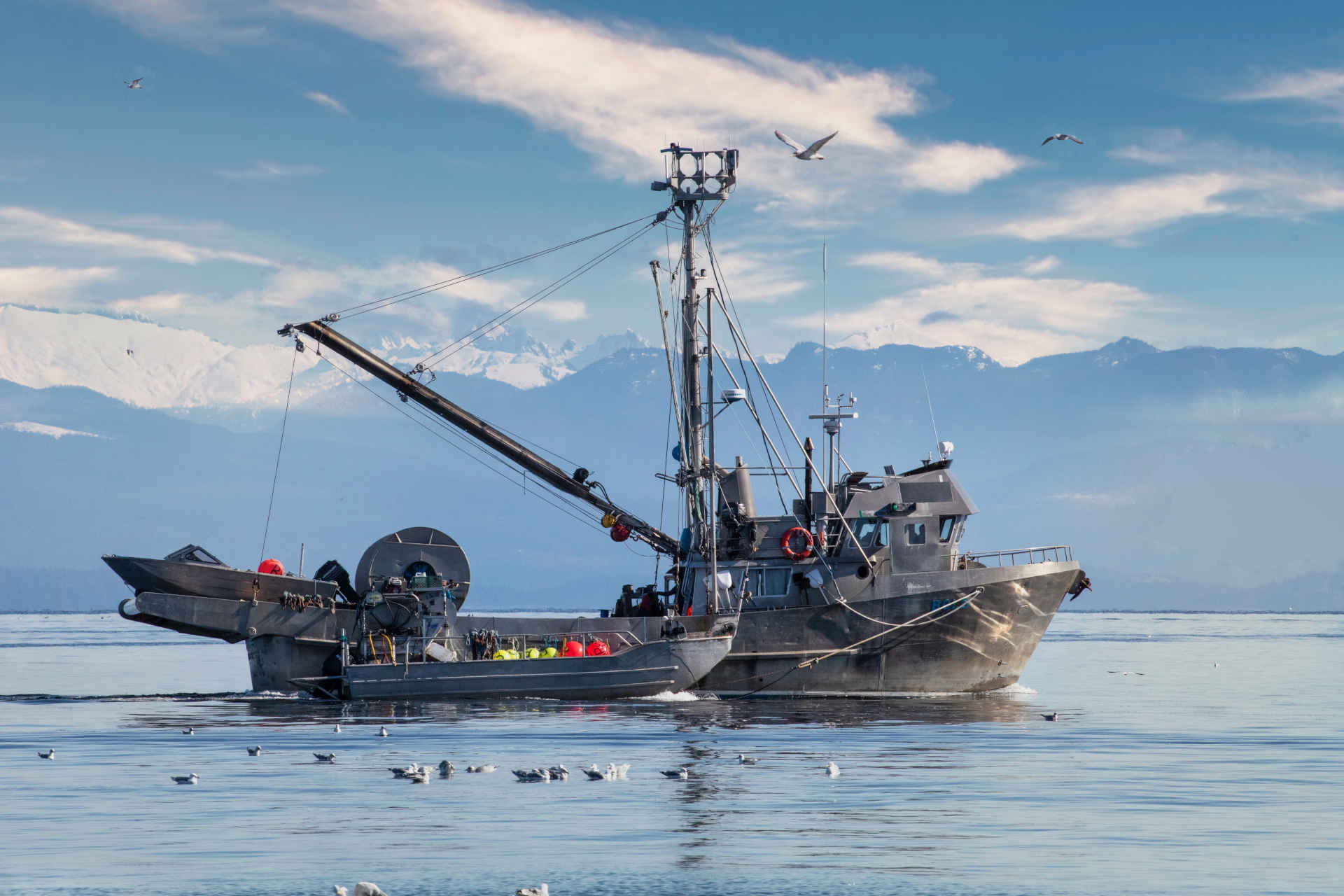
La industrial fishing It is a destructive practice not only for ocean life, but also for the climate: trawling, in fact, produces a surprisingly high amount of emissions, and seriously threatens the ocean's ability to absorb and store carbon.
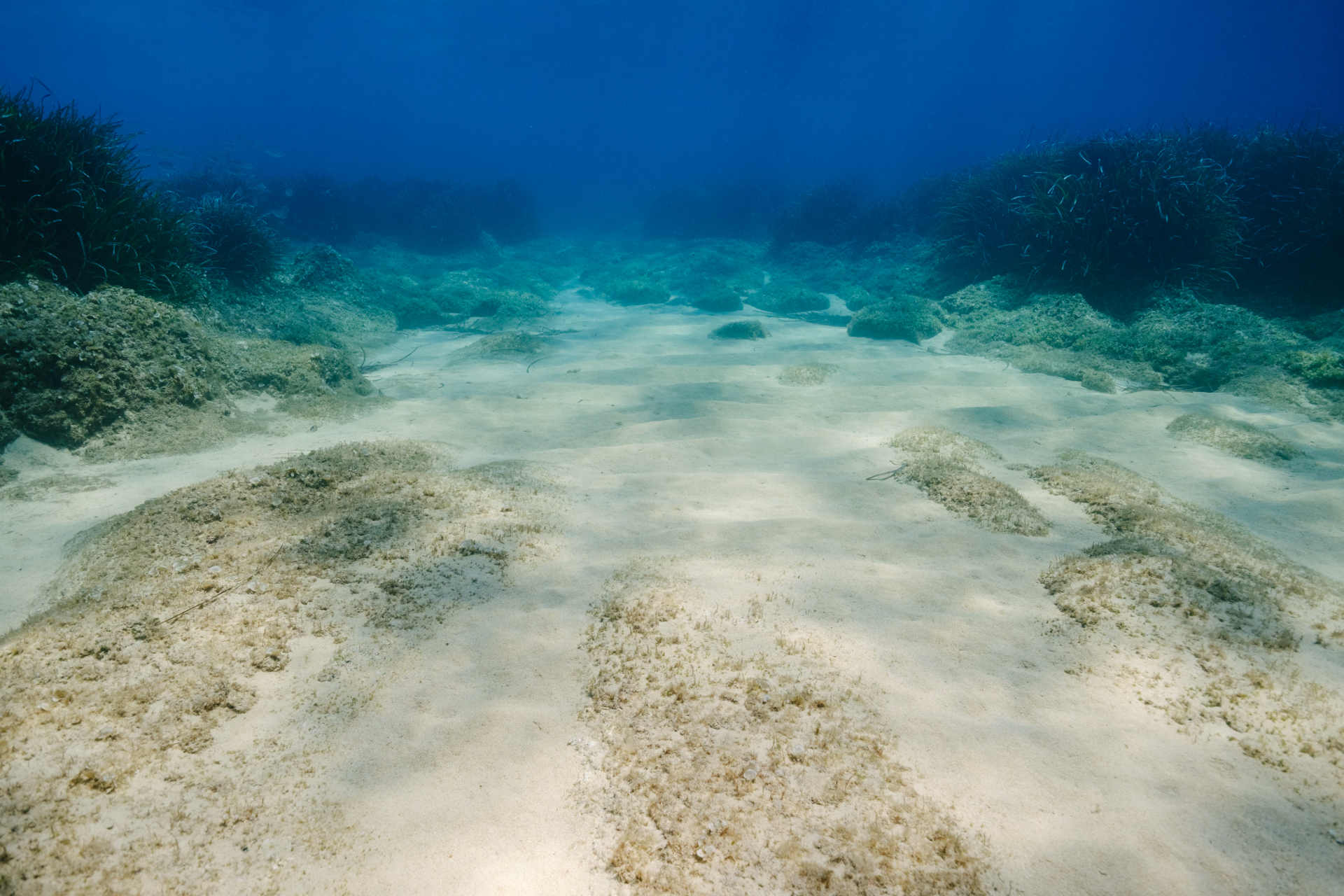
According to a new study by the Scottish Association for Marine Science (SAMS), the seabed They are a vast reserve of organic carbon, known as “blue carbon”: the mud and silt of British seas, the research says, store almost three times the amount sequestered by UK forests, and invasive human activities on the seabed pose an existential threat to these millennial carbon reserves.
A discovery that worsens a situation already highlighted by a US study last January, which reveals thehuge amount of emissions linked to trawling: destructive operations on the seabed, the research states, emit more CO2 than the entire world fleet of fishing vessels at work.
Carbon sequestration in the seabed: the study
The habitats of the seabed of the UK could capture up to 13 million tonnes of organic carbon each year, almost three times the amount sequestered by UK forests.
This is what emerges from the Blue Carbon Mapping Project produced by the Scottish Association for Marine Science (SAMS) on behalf of WWF, The Wildlife Trusts and the RSPB. The report says that the top 10cm of UK seabed habitats alone contain 244 million tons of organic carbon.
The seas around the UK and the Isle of Man cover almost 885.000 square kilometres, an area three times larger than the UK's land mass. This vast area is home to a variety of habitats that capture and store organic carbon (so-called “blue carbon”): sandy and muddy sediments of the seabed, but also plant habitats such as seagrass meadows, salt marshes and biogenic reefs such as mussel beds.
According to scientists, carbon is mainly absorbed by phytoplankton, which when it dies drifts to the bottom of the sea and adds to the sediments of the seabed. And as the blue carbon mapping project shows, the disturbances of the seabed caused by human activities pose a serious threat to these carbon reserves.
The upheaval of the seabed that occurs with the trawling, but also through moorings and offshore construction, can release enormous amounts of carbon into the atmosphere, undermining the mitigation capacity of the world's seas and oceans.
Trawling and blue carbon deposits
The research analyzed the storage capacity of the just 10 centimetres tops of the sediments. But as scientists explain, some sediments are hundreds of meters thick and contain carbon for millennia, so the total carbon stored will be much higher.
The results, however, are indicative: 98% of the blue carbon reserves It is found in marine sediments, especially muddy sediments. And despite covering just 1% of the UK’s seas, salt marshes, seagrass beds, kelp and intertidal seaweeds contain 3,8% of the organic carbon accumulated each year.
Blue carbon sinks are crucial for climate change strategies climate mitigation: the seabed also stores carbon that, from the mainland, ends up in the sea transported by waterways. In this sense, the researchers explain, blue carbon deposits are the last chance to capture carbon and prevent it from being released into the atmosphere.
WWF, The Wildlife Trusts and the RSPB are therefore calling on UK governments to minimize the impact of human activities on the seabed, starting with Marine Protected Areas, which must be protected from activities that are harmful to the seabed, such as trawling. It is not just a matter of safeguarding marine life, but also of protecting the precious reserves of blue carbon. The seabed health, in short, it cannot be put on the back burner.
The terrifying emissions of trawling
Disturbing the balance of the seabed has a very high cost in terms of emissions: one study from last January found that trawling emits up to 370 million tons of carbon dioxide per year, nearly double the annual emissions from fuel combustion for the entire world fishing fleet.
Using satellite-detected fishing events and carbon cycle models, U.S. researchers found that 55-60% of trawling-induced aqueous CO2 is released into the atmosphere within 7-9 years, while the remaining CO2 can create more acidic conditions where it is released.
As Dr. explained Trisha Atwood, among the authors of the study:
“Trawling releases plumes of carbon that would otherwise remain buried in the ocean floor for millennia. Our study is the first to show that more than half of the carbon released by trawling escapes into the atmosphere as carbon dioxide over a period of about 10 years, contributing to global warming.”
Among the areas where carbon emissions from trawling are particularly high are the East China Sea, the Baltic Sea, the North Sea and the Greenland Sea. Southeast Asia, the Bay of Bengal, the Arabian Sea, parts of Europe, and the Gulf of Mexico may also be important sources of carbon emissions from trawling, the researchers say, but there is currently insufficient data to say for sure.
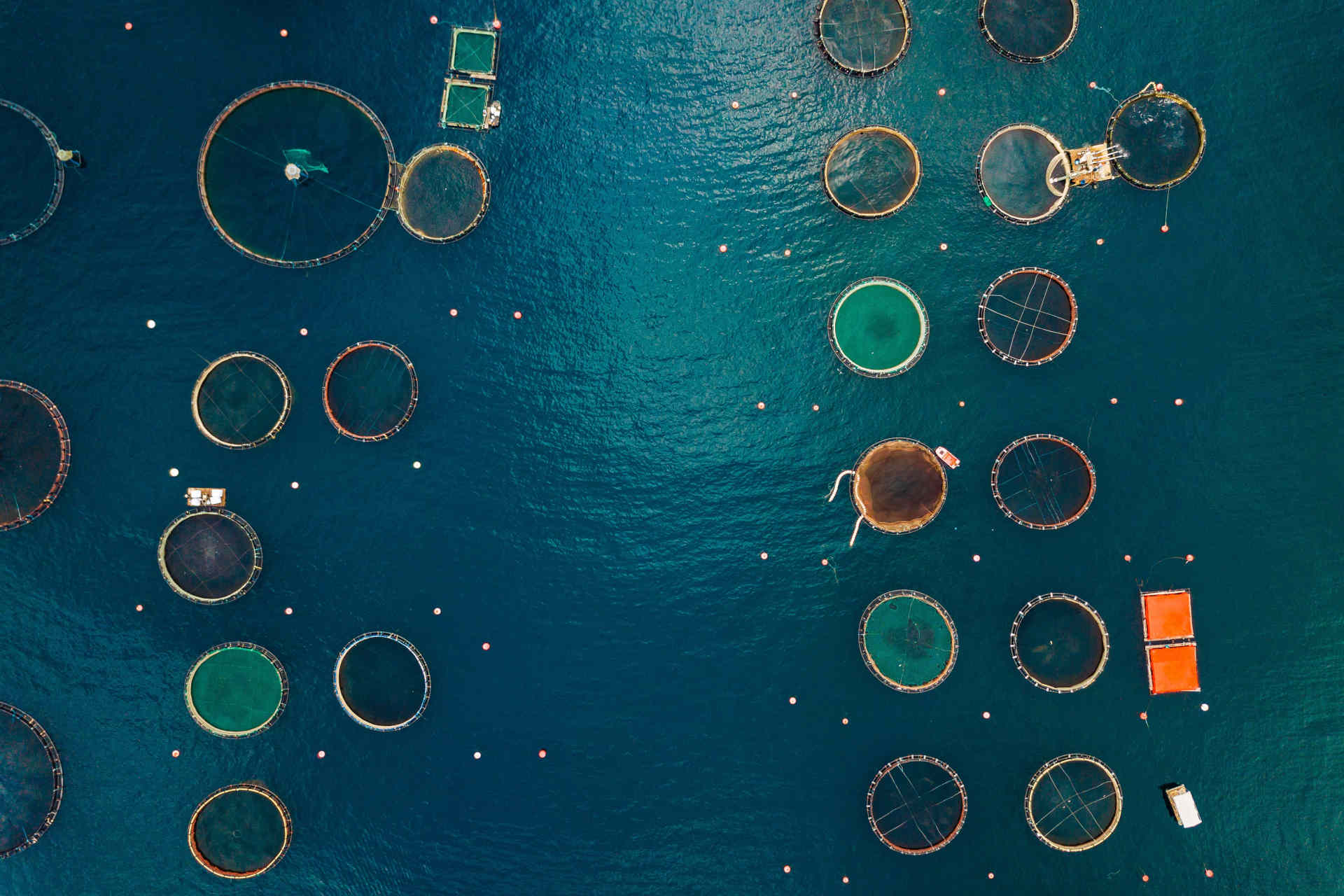
Sustainable fishing: can aquaculture be the solution?
Scientists have long been calling for minimizing the impacts of fishing on marine life and climate, which should also include supporting a transition of fishing industries towards practices that do not damage the seabed.
The aquaculture, however, may not be such a sustainable solution: even if it does not use harmful tools such as lead files that destroy the seabed, fish farming in turn consumes large quantities of fish wild. Farmed fish, in fact, are fed with those caught in the sea.
According to an estimate by Fishcount, approximately 23% of global catch is transformed into fish meal and oil that is used to feed aquaculture fish: 70% of farmed fish, the research states, are fed with meal obtained from wild fish caught in the open sea, often using the same tools that make industrial fishing an unsustainable practice.
In the long term, therefore, aquaculture will have to find new solutions and dust off ancient knowledge, if it really wants to position itself as asustainable alternative to industrial fishing. In addition to making the feed production process more efficient (and perhaps finding new ones), we could work on theextensive aquaculture, which thanks to the larger surfaces allows to exploit the nutrients already present in the sea.
An even more promising solution comes from the ancient practice ofmulti-trophic aquaculture, used in China more than six thousand years ago, which consists of simultaneously breeding herbivorous and carnivorous species, but also molluscs and algae – in order to maintain a stable and self-sustaining fish population, from which to take, in moderation, specimens intended for human consumption.
Here are three insights that might interest you:
“Check your fish!”: sustainable fishing seen by consumers
Overfishing, in the Atlantic there is a risk of the collapse of entire fish stocks
In Palau the fish farming laboratory that will feed us in the future