SEARCH


This is how the most popular social network in the world, by virtue of an "improbable" algorithm, is becoming a social and cultural problem
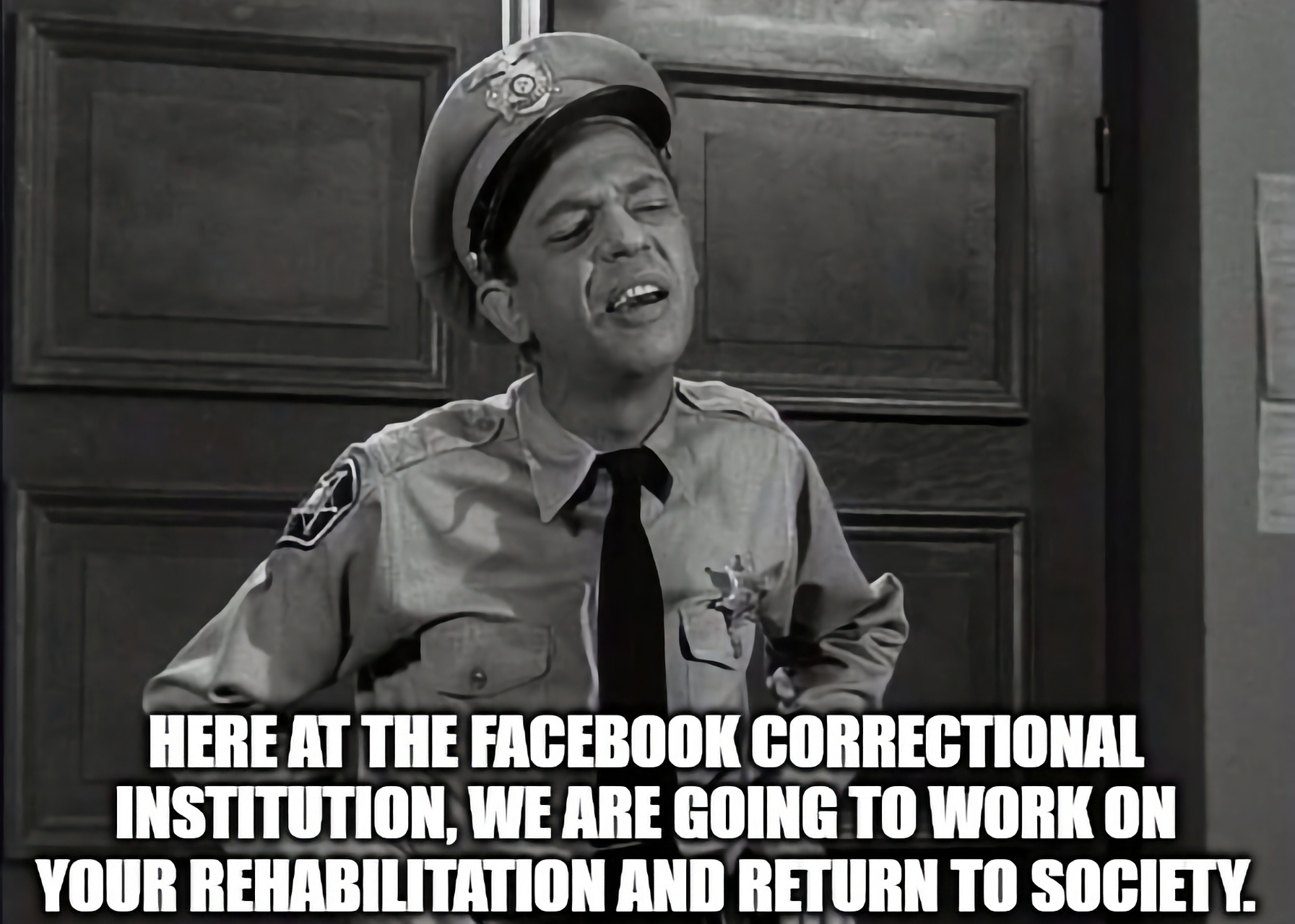
(Image: imgflip.com)
This reflection comes from a series of personal experiences on Facebook, but also from various testimonials and critical analyzes by numerous "contacts" (a word that is both stimulating and horrible) in my digital social circle.
It should be stated that the problem that the social network managed by Meta has been experiencing for some time and which appears more evident day by day, i.e. that of completely inadequate, unbalanced and inefficient moderation, I would add even irritating, cannot depend only on objective technical difficulties.
The new "Extended Language Models" have demonstrated in recent months their ability to contextualize the idiomatic phrases of us human beings, even arriving, with the latest versions, to grasp communicative nuances that we homo sapiens often miss.
Simply put, a so-called Artificial intelligence like GPT4 it is quite capable of distinguishing whether a sentence is said in an ironic sense or not, which “fennel” refers to a Tuscan salami, and that "Blacks" it can be a surname and not a racist epithet.
Facebook no, it is not capable of it.
So, either Mister Zuckerberg has completely lost his bearings by investing too much in the Metaverse and ignoring the much more promising research on Extended Language Models (which would be very strange for a company like Meta), or…
Or?
Here are the Facebook offices in Zurich where the Metaverse will be born

The historical decontextualization, or the vices of single thought
The undersigned certainly cannot be defined as a "conspiracy theorist", but I must say that in recent years I have caught some worrying signals about a way of thinking which, starting from the United States, is also spreading in Europe, thanks to the "linguistic" thrust of the major social network.
Where, in fact, one can no longer quote the entrepreneur and philanthropist Mario Negri without appearing racist or jokingly criticizing the school that fired the director in Florida for having shown the poor twelve-year-old offshoots the pornographic nudity of Michelangelo's David without the unintelligent algorithm of Facebook accuse you of “inciting hatred and violence”.
Someone called this thought movement “Cancel culture”, referring precisely to the temptation to "erase" everything that is not considered correct in the light of modern sensibility, reaching excesses such as those of some parents in Florida.
Nothing totally new, of course: already in the past, for example, fairy tales like Little Red Riding Hood had been accused of excessive violence, even if I don't remember accusations of sexual abuse for the famous kiss with Prince Charming in "Sleeping Beauty".
But this is not the main point of my reflection.
The algorithm of social stupidity is not the result of social networks

Digital as an amplification factor of any reality
Today's novelty is precisely the pervasive power of digital and its ability to influence the everyday "real world", whether we are aware of it or not.
If we add to this factor the hypothesis of Sapir-Whorf according to which language influences our way of thinking, theory at the basis of the beautiful story "Story of your life" by Ted Chiang, from which the equally beautiful film was made science fiction "Arrival", and the concept of Newspeak described by George Orwell in his dystopian novel "1984" the game is done. I'll explain.
Facebook, the data of millions of publicly disclosed profiles
The relationship between thought and language or Sapir-Whorf hypothesis according to Noam Chomsky
The Sapir-Whorf hypothesis: how language influences thinking
Lstill much debated hypothesis di Sapir-Whorf, ppresented by the anthropologist Edward Sapir and by his pupil Benjamin Lee Whorf, according to which the morphology of a language, therefore a much deeper level of syntax, can influence the way of thinking of the speaker of that language, the way in which his thoughts are organized and represented.
This hypothesis in its first version, which actually turned out to be extreme and simplistic, was soon refuted by other scholars but still today a "weak" version of it is studied, also in the light of the latest discoveries in the field of Natural Language Processing and in the functioning of Extended Linguistic Models like GPT.
Bossa Nova as AI, the result of an ancient and widespread ingenuity

(Photo: Jonathan Kemper/Unsplash)
Dialogue between the author is the most advanced artificial intelligence system…
But let's leave the word to ChatGPT 3.5 for a moment on the subject:
Edoardo Volpi Kellermann: "What are the results of the latest research on the Sapir-Whorf hypothesis, also in relation to the functioning of extended language models and studies on Natural Language Processing?”.
ChatGPT: "LThe Sapir-Whorf hypothesis, also known as the relativity hypothesisà linguistics, states that the way a person thinks and interprets the world is influenced by the language they speak. In other words, language shapes people's thinking and perceptions.
In recent years, there have been several researches exploring the Sapir-Whorf hypothesis in relation to the functioning of extended language models and Natural Language Processing (NLP) studies. For example, research has examined how the grammatical gender of a language can influence the semantic representation of words within a language model. Research has found that machine learning-based language models can capture semantic differences based on the grammatical gender of the training language.
Other research has explored how language patterns can be used to analyze and identify the linguistic and cultural-semantic structures of groups of speakers, in order to study how these structures influence the way people think and interpret the world.
However, despite these studies, the Sapir-Whorf hypothesis remains a subject of debate in the communityà scientific. Some researchers argue that language influences thinking, while others argue that the relationship between language and thinking is more complex than the Sapir-Whorf hypothesis suggests.
In summary, studies on the functioning of extended language models and on NLP are contributing to a greater deepening of the understanding of the relationships between language and thought, but the Sapir-Whorf hypothesis continues to be the subject of debate and research”.
The future of social media between opportunities and dangers…
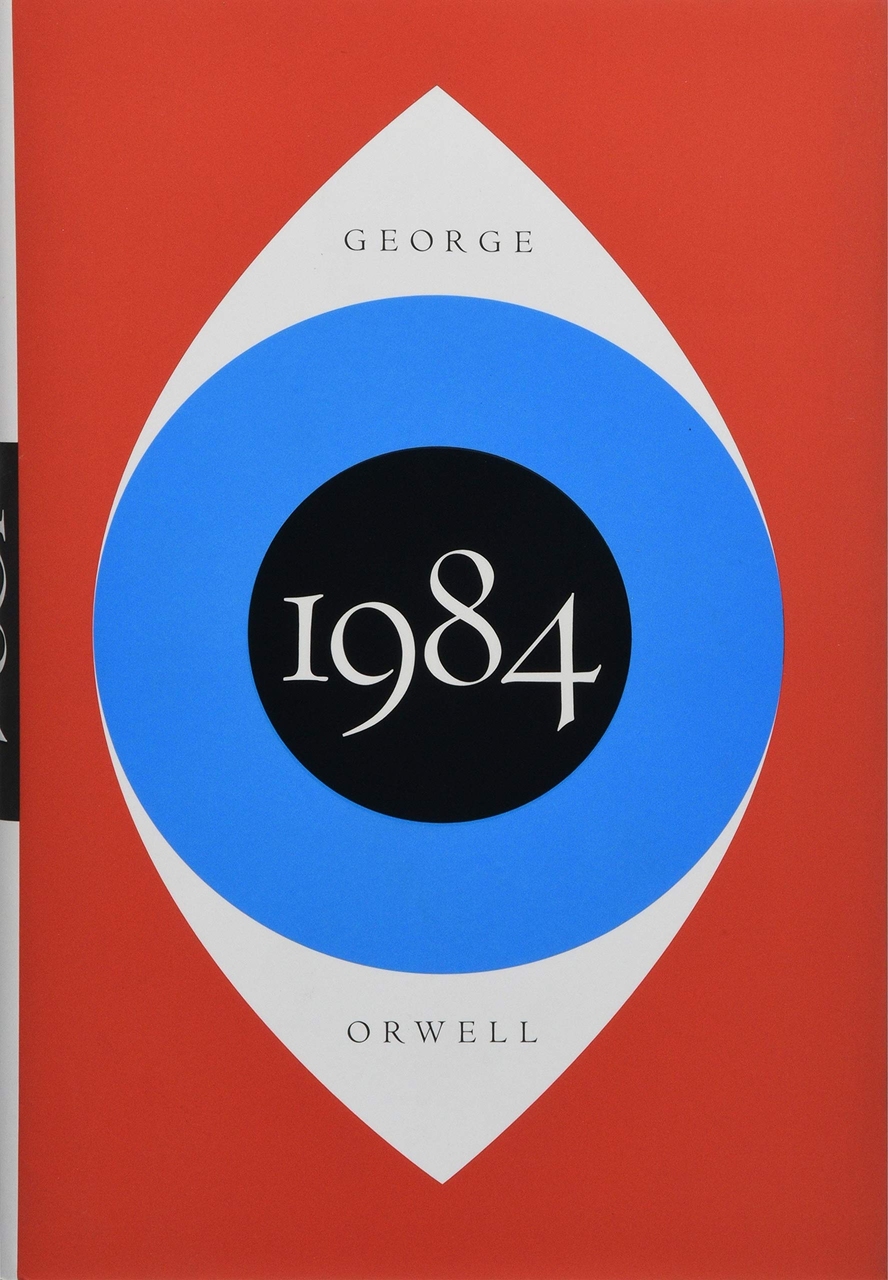
Was George Orwell's prophecy in "1984" not so farfetched?
The hypothesis is used by George Orwell in its most extreme sense in his most famous novel, "1984", the description of a world dominated by an absolute dictatorship which uses the so-called Newspeak to reinforce its power.
The Newspeak imagined by the British writer, journalist, essayist, activist and literary critic would have been able to prevent certain heretical thoughts, not providing the mind with a possible semantic representation of such thoughts.
A "Meta New Deal" to react to the environmental and cultural crisis?

(Image credit: IGN.com)
All in the correct perspective instead of AI bureaucracy
Before being accused of carelessness and simplification, I would like to clarify that I am well aware of the difference between the conceptual extremes typical of dystopian novels such as George Orwell's and the complexity of the functioning of our mind.
I'm not accusing Facebook of knowingly changing the way we think.
Meta, like the other Big Techs, is a prisoner of the mechanism: however, it is not entirely innocent, given the evident lack of will to improve the moderation service, after years that these problems are promptly reported to their assistance by users .
The algorithm has not improved, on the contrary it becomes more and more intrusive and leads to aberrant and ridiculous behaviors such as preventing the advertising of a finocchiona sandwich.
The so-called "appeals" do not allow any contact with real people, relate to theOversight Board di Meta resembles attempts to establish a human relationship with i Vogon, race of alien bureaucrats described in the books of the saga "The Hitchhiker's Guide to the Galaxy" by Douglas Adams.
One thing, however, is clear: Facebook is increasingly proving to be a social and cultural problem, on the one hand amplifying the polarization of positions, on the other creating clear differences in the treatment of its users.
And above all it is preventing conversational language between people, often based on ironic or sarcastic idioms, establishing a sort of “Jacobin Regime of Terror” which slowly erodes the already reduced linguistic capacity of us human beings.
We will all end up expressing ourselves as correct and anonymous Extended Linguistic Models?
Sources:
https://www.questionecivile.it/2021/09/09/ipotesi-sapir-whorf-e-il-relativismo-linguistico/
https://it.wikipedia.org/wiki/Neolingua
Artificial intelligence and conflicts in a collection of unpublished essays