SEARCH



An innovative center is being built on the Caribbean island to strengthen agriculture and offer digital tools to young farmers and women.
(Photo: FAO)
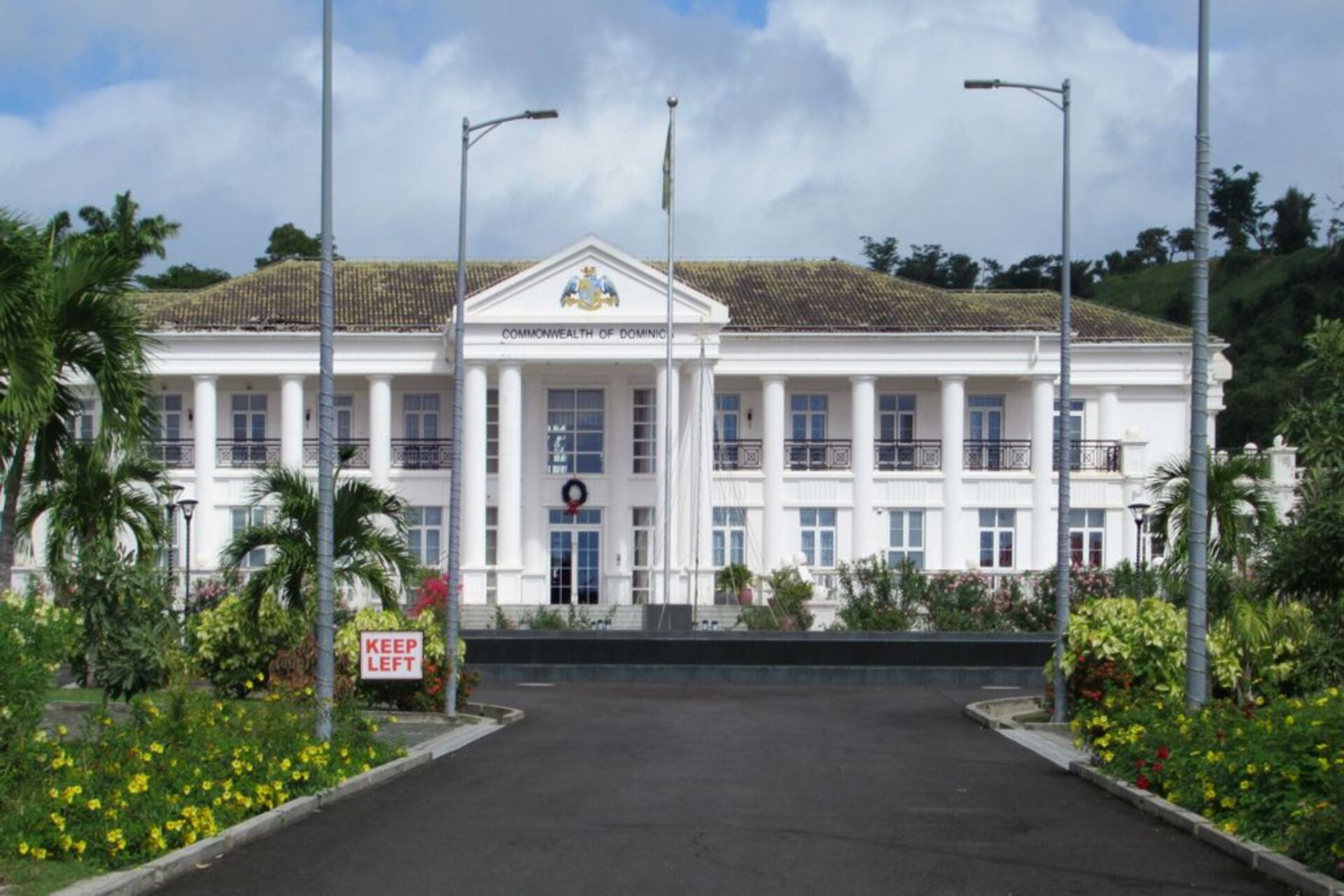
The Commonwealth of Dominica is charting an ambitious course to become one of the world's first climate-resilient nations, and it is doing so through digital innovation applied to agriculture. This quiet revolution, in the heart of the Caribbean, is being driven by the establishment, with the Food and Agriculture Organization of the United Nations (FAO), of a national Digital Agriculture Innovation Hub.
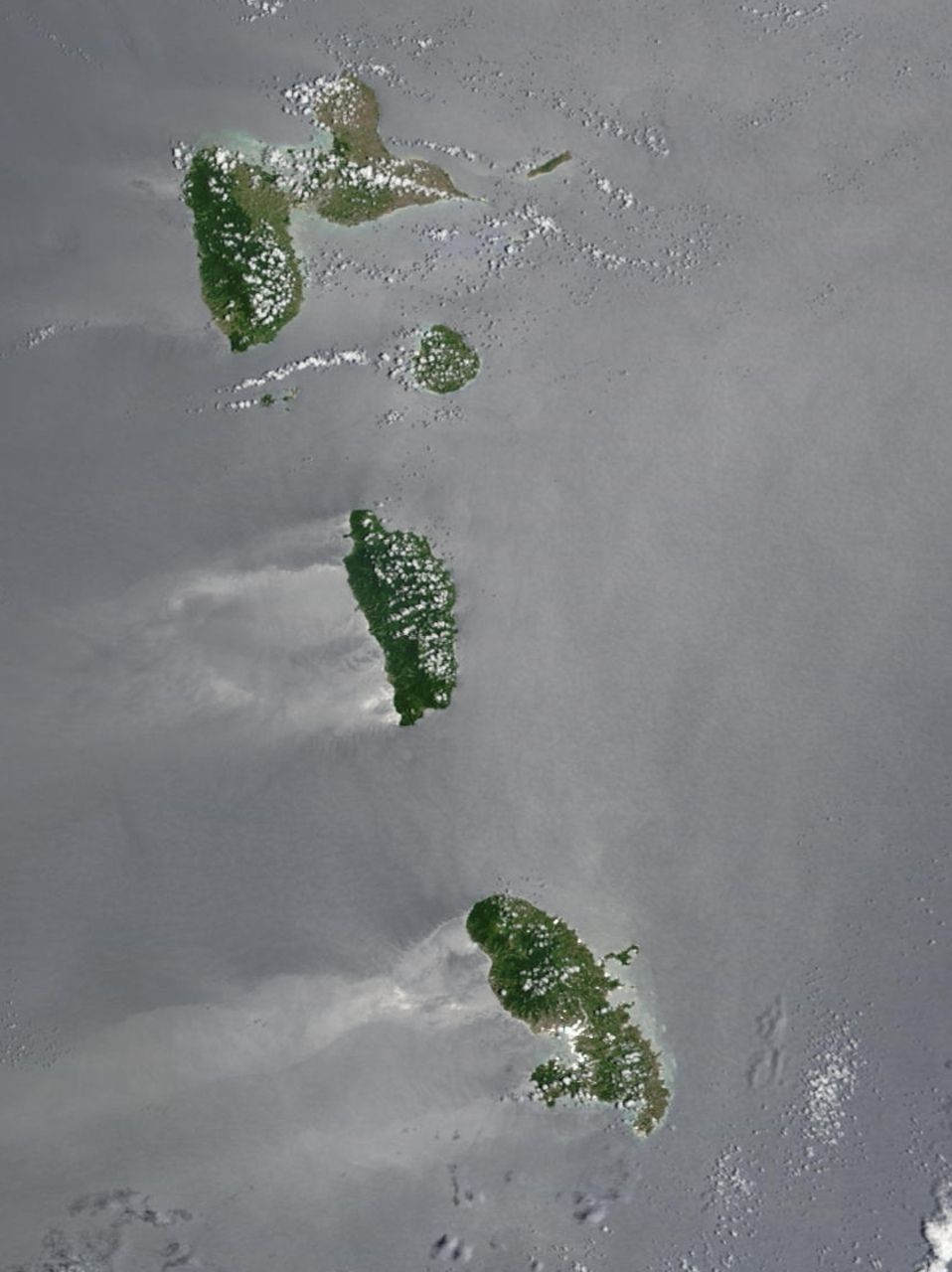
This initiative is part of the FAO pilot programme for the period 2022-2026, also active in Grenadain Ethiopia and Morocco.
Dominica presents itself as a digital transformation laboratory for agrifood: agriculture, traditionally based on small, rain-fed and poorly organized farms, is experiencing declining productivity and low competitiveness, exacerbated by extreme weather events such as hurricanes and droughts that repeatedly impact the national production network.
From digital strategies to on-the-job training
The launch of the Digital Hub complements the national digital transformation strategy 2022-2026, which focuses on digital literacy, connected infrastructure, and efficient platforms for citizens, businesses, and public administration. Over 15 local digital hubs are already operational and used to provide digital training and support to approximately 500 people, particularly young people and women working in agribusinesses and rural tourism.
These technology hubs serve as the digital backbone of the sector: on the one hand, they promote the creation of IT solutions for the agro-industrial market, and on the other, they help build sustainable and inclusive development models.
The global footprint of the FAO programme
The global network of Digital Agriculture Innovation Hubs is funded through the FAO Flexible Voluntary Contribution Mechanism (FVC) and is designed to connect national hubs in an international network of exchange, knowledge and innovation.
Dominica, like the other three pilot nations, is planning its hub taking into account national priorities, the country's level of digital maturity, and the capacity of partners such as universities, NGOs, businesses, and civil society. The goal is to increase the competitiveness of farmers and supply chain operators by enhancing climate adaptation, economic diversification, and agro-digitalization.
Local and regional voices: "A tailor-made innovation"
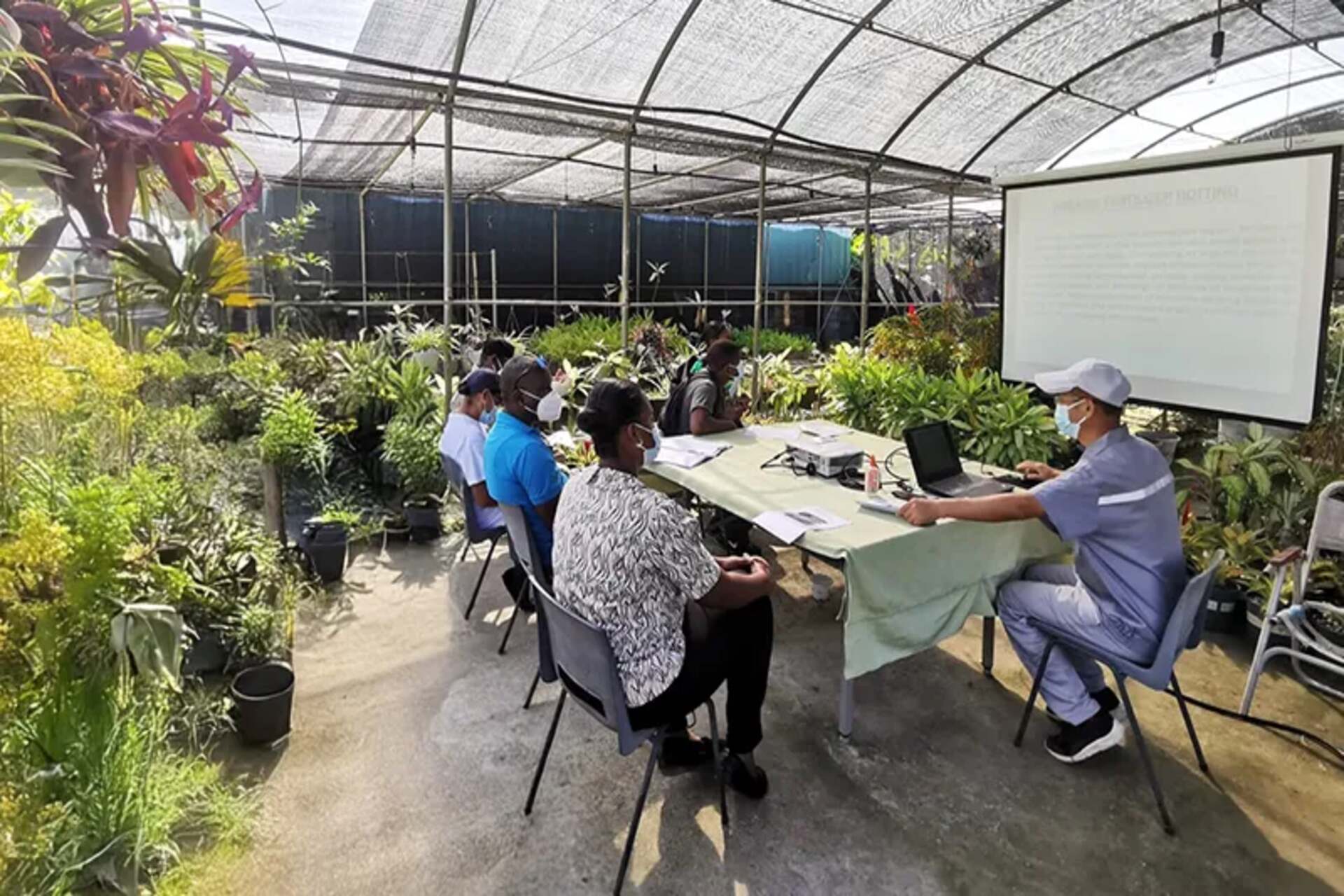
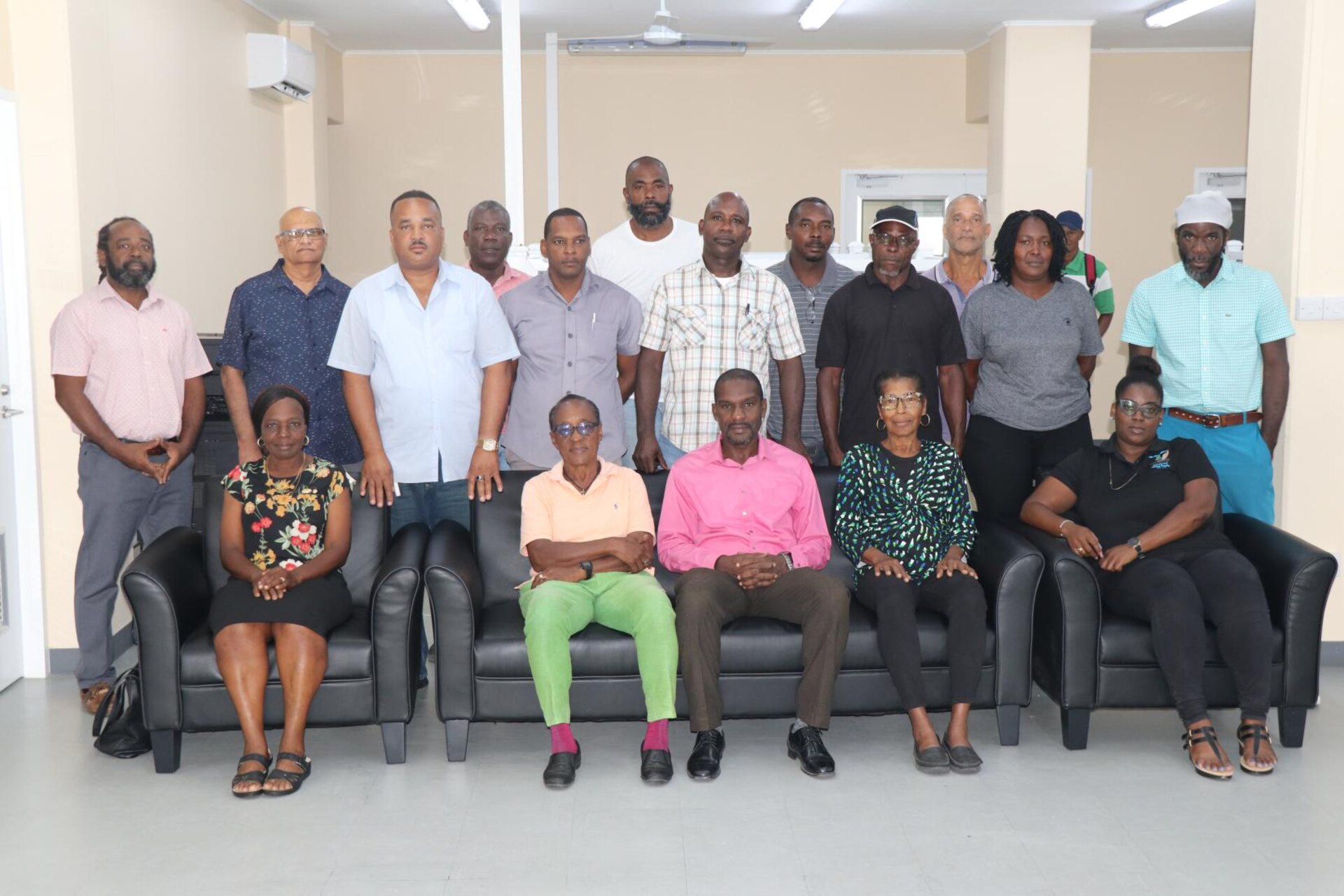
During a recent training session, Melvin Medina Navarro, Lead Technical Officer of the FAO project, said:
“This training is an example of great collaboration… it has provided Dominica’s extension officers with advanced knowledge that increases yields and improves resilience to climate challenges.”
The contribution of the University of the West Indies, through the Deputy Dean Outreach, Gaius Eudoxie, has strengthened the regional bond:
“The University is proud to collaborate… empowering local actors with innovative solutions to address the unique agricultural challenges facing Small Island Developing States like Dominica.”
Norman Alexander, extension officer and greenhouse grower, also expressed enthusiasm:
“I found this training extremely important, inspiring and timely… I intend to apply and pass on the knowledge I gained to other members of the farming communities.”
Digital as an economic and social recovery
The new national hub will be able to deploy concrete digital solutions: mobile platforms for e-learning, applications for agri-food marketing, and decision-making systems for agricultural planning. The goal is to create a favorable environment for e-agriculture, particularly among young people and women in rural areas, where digital technology is a driver of inclusion and competitiveness.
The digital centers already established become hubs for training and experimentation, for example in web design useful for agro-processing and rural tourism activities.
Towards an integrated innovation ecosystem
The program is not an isolated operation: it complements the “Hand in Hand” and “1000 Digital Villages” initiatives, which are also promoted through the FAO network to promote digitalization and rural resilience.
The key task for the coming months is to precisely define targets, indicators, partner roles, and public-private financing strategies. As Barbara della Rovere, FAO communications specialist, stated:
"The hubs, except for the one in Ethiopia, are in the start-up phase. Grenada and Dominica have just launched them... a global network is being built."
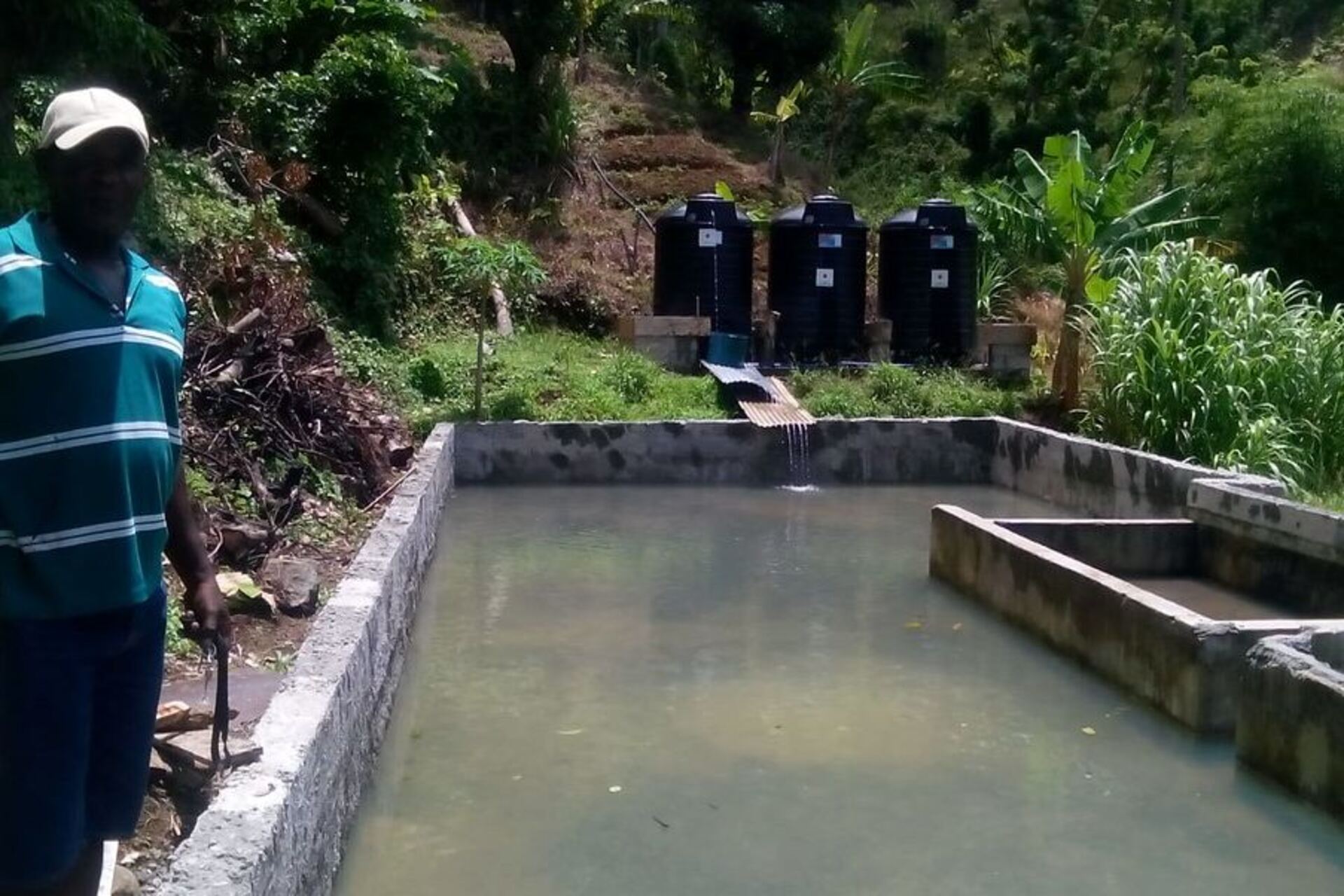
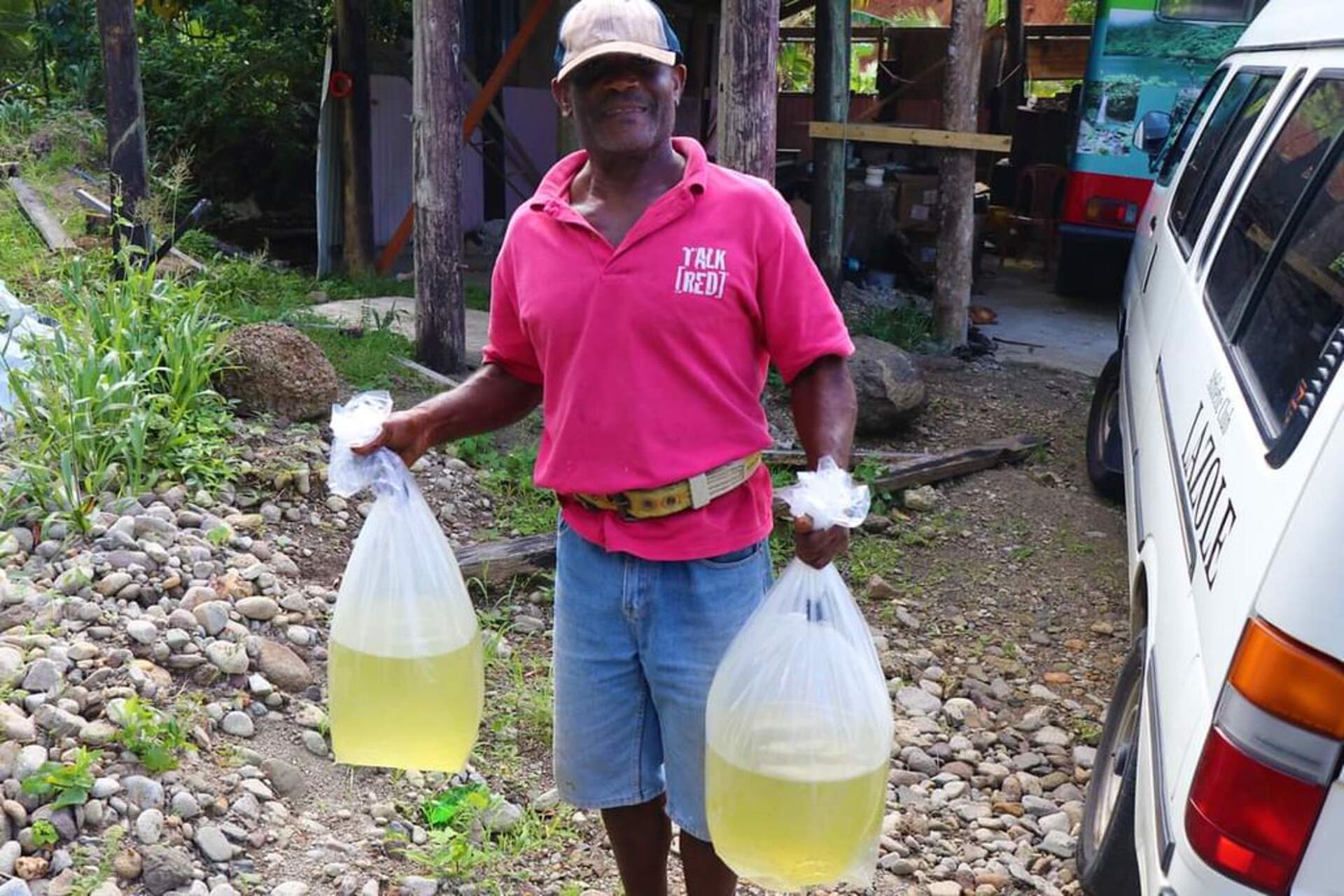
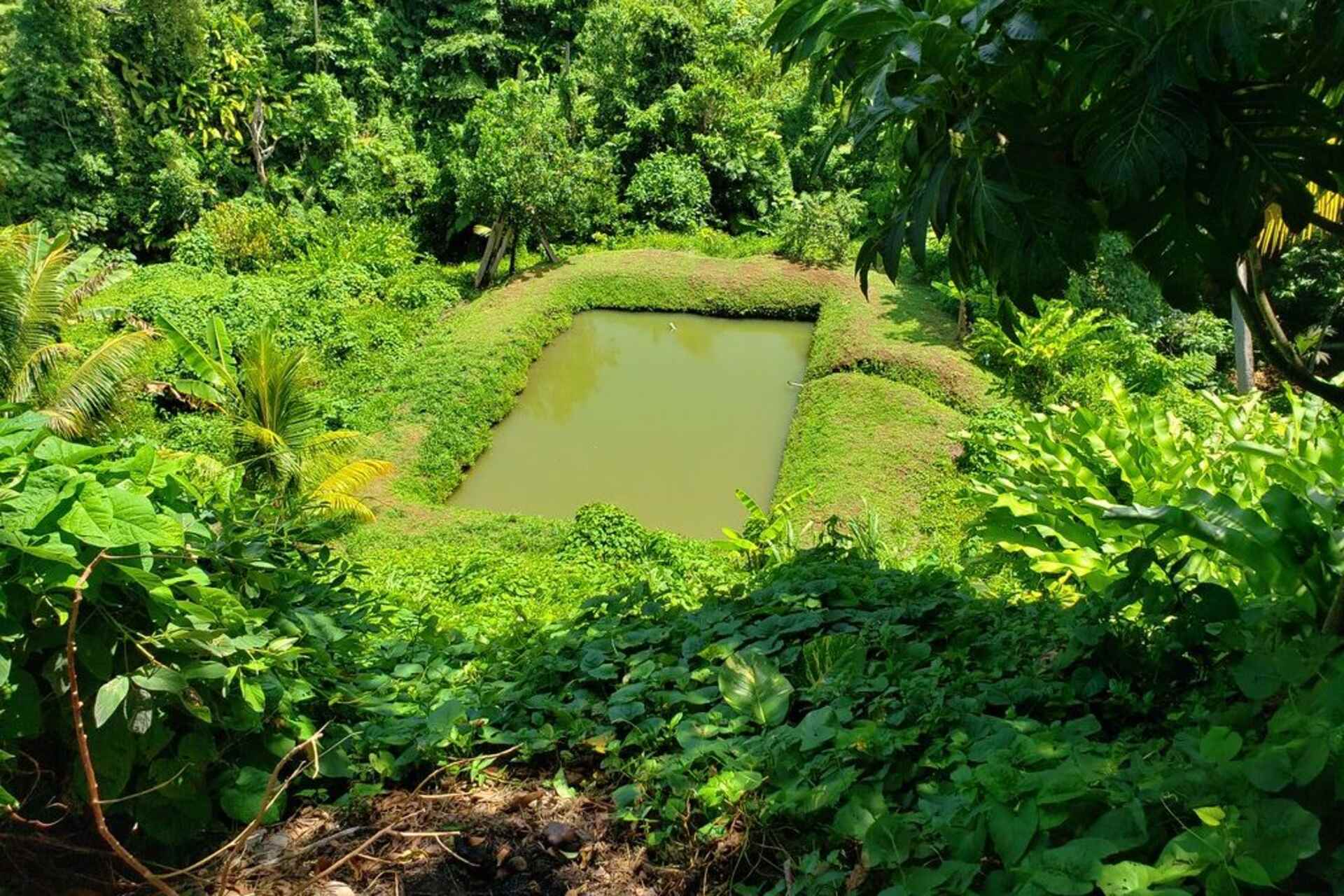
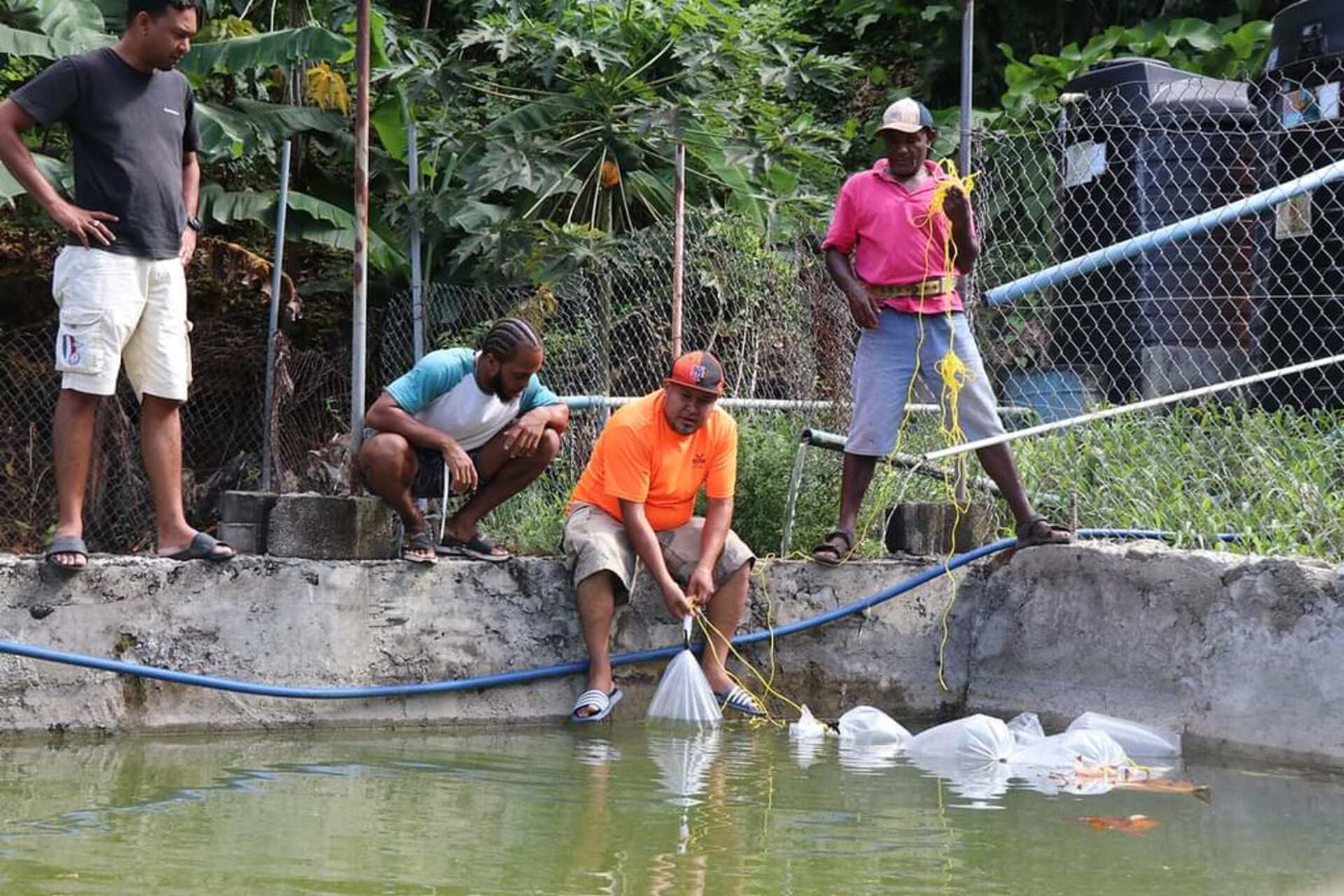
Between global warming and digital hopes
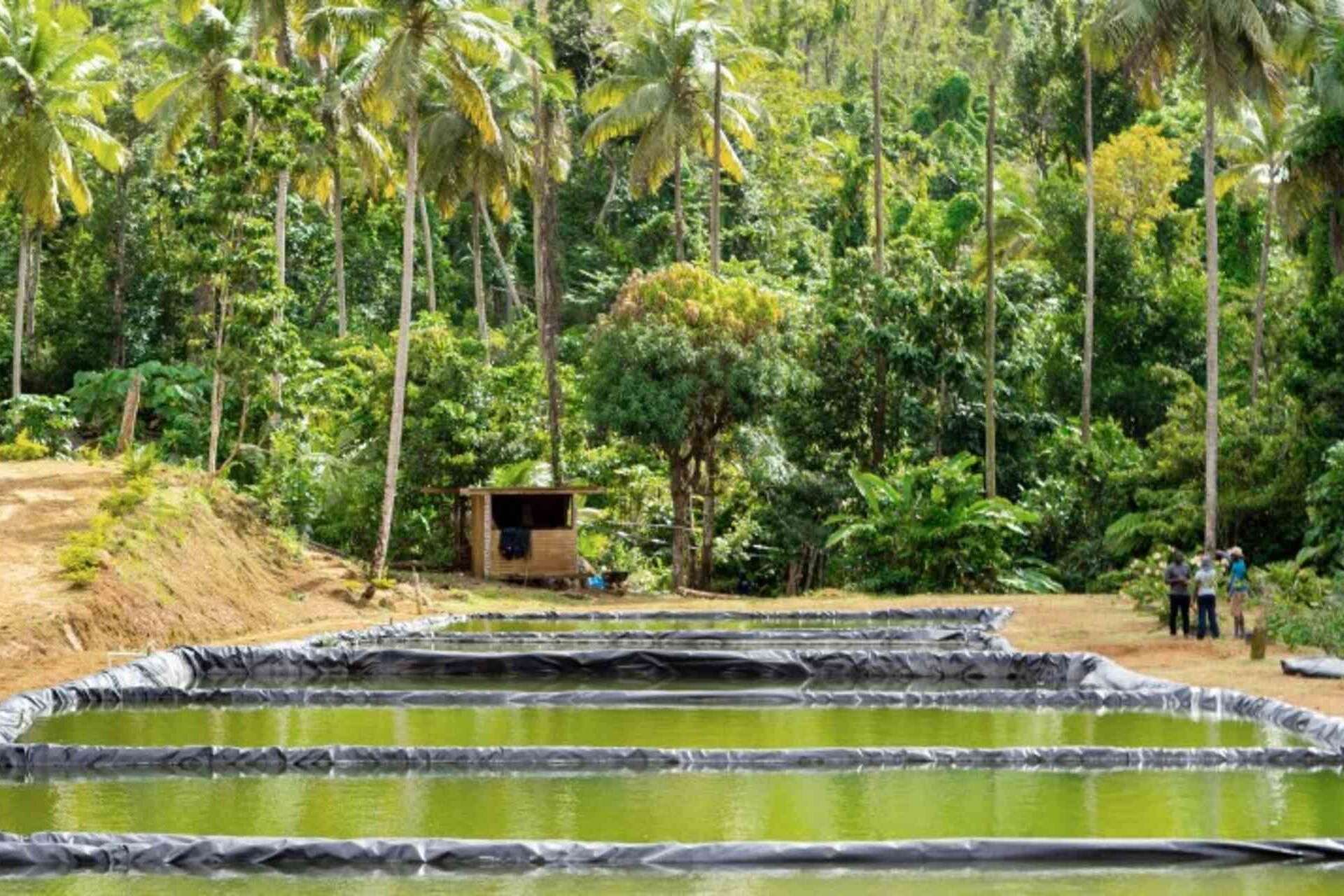
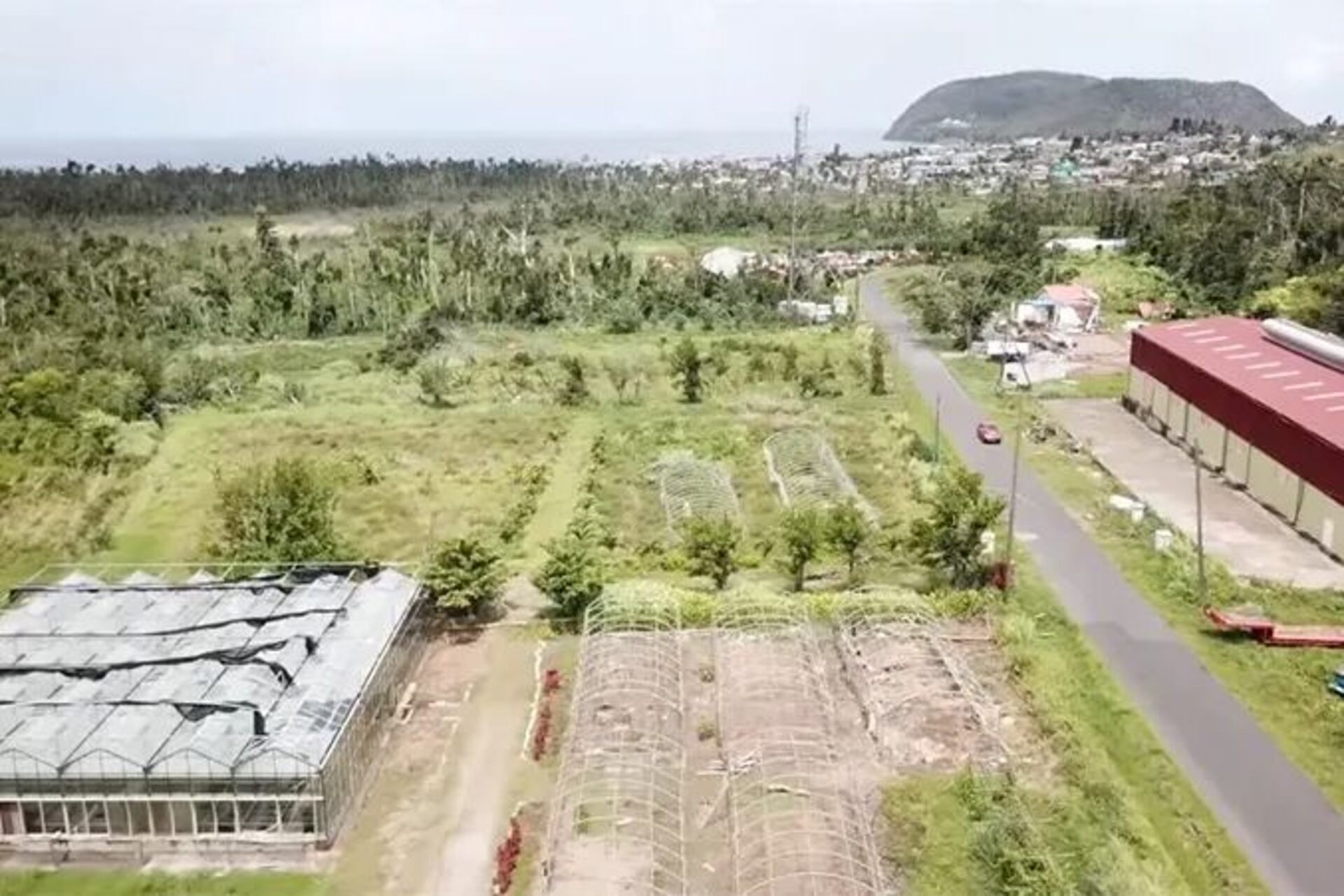
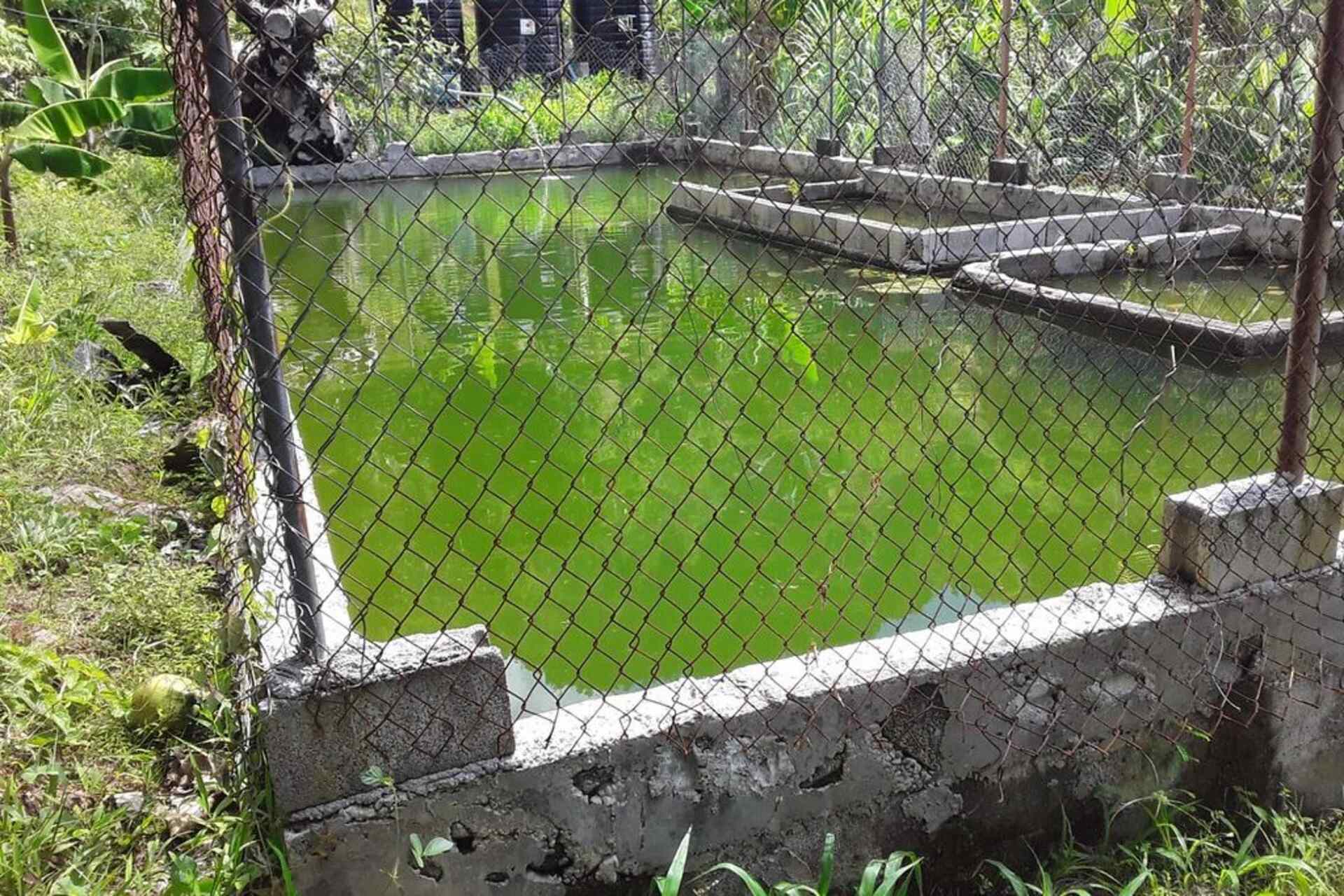
Dominican agriculture is constantly challenged by hurricanes, landslides, erosion, and drought: a sector with low economies of scale, fragile cooperation, and poor market infrastructure. The lack of an integrated data system or a modern management platform limits planning and response capacity.
The Digital Hub aims to provide a strategic and concrete response: strengthening digital skills, organizing bootcamps and hackathons for young people and women, and supporting agricultural SMEs in their technological transition. Expected outcomes include improved yields, access to regional markets, and reducing the rural digital divide.
(Photo: The Resilient Caribbean Initiative)
A replicable model in the climate of innovation
Dominica It provides a concrete example of how even small island states can become hotbeds of innovation. The national digital strategy, combined with international support from FAO, NGOs, and academia, can generate measurable and lasting impacts on food production, food security, and the creation of youth employment opportunities.
At a time when climate change poses a growing threat, the digital agriculture hub model promises to become an asset for food sovereignty and the socioeconomic sustainability of small countries.
Here are three insights that might interest you:
Punta Bergantín is the innovation hub of the Dominican Republic
Trinidad and Tobago Leads Digital Innovation in the Caribbean
Smart Grenada: The Innovative Vision of a Digital and Resilient Island