SEARCH






For researchers, the erosion of permafrost reduces the ability of polar and subpolar seas to intercept carbon dioxide from the atmosphere
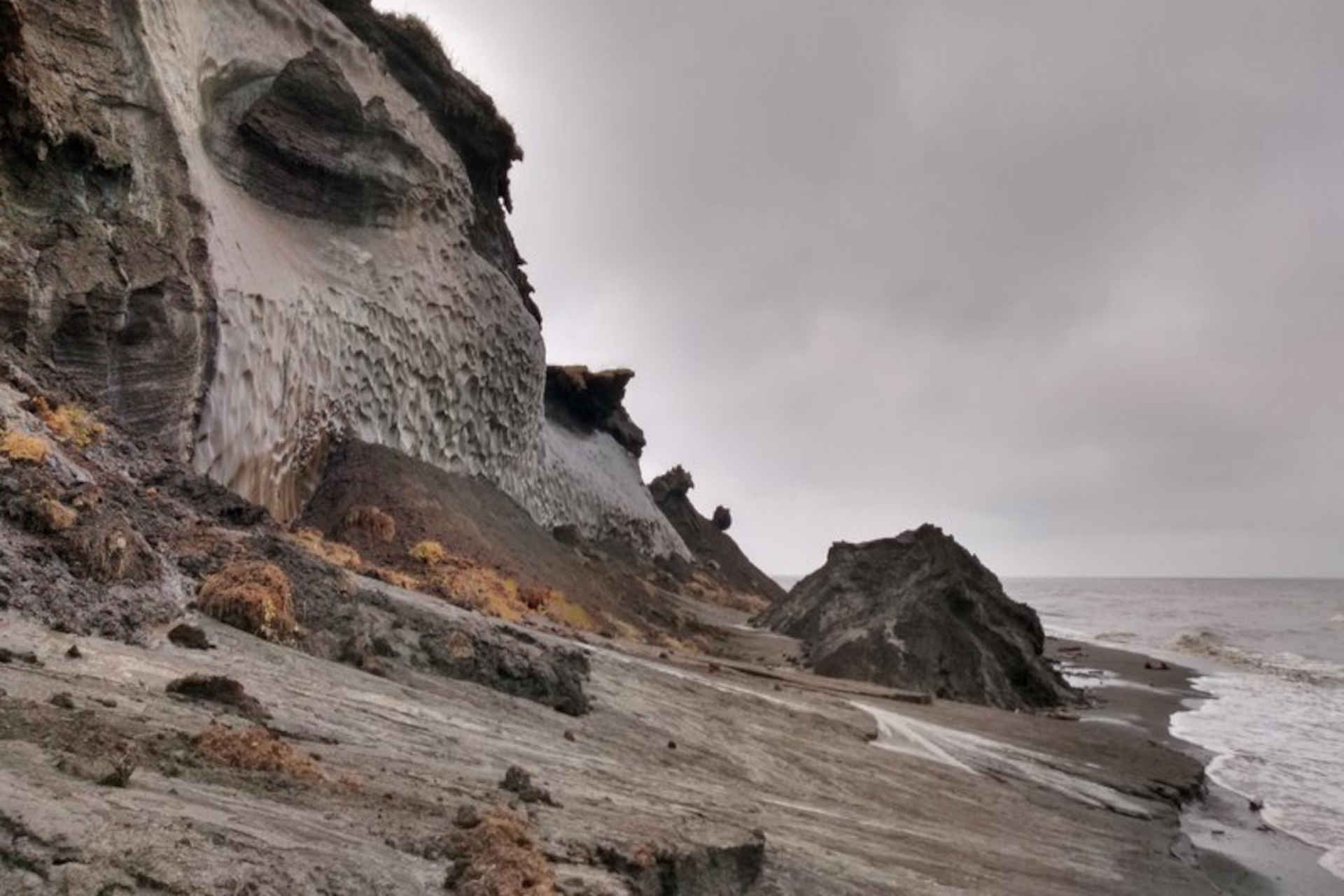
Every day, humans benefit from an enormous service from those vast expanses of water we call oceans: these, in fact, absorb a large quantity of greenhouse gases, collecting approximately 30 percent of CO2 is of anthropogenic origin present in the atmosphere.
The impacts of global warming, however, are affecting this ability of the oceans to mitigate climate change. And they do so especially in the polar and subpolar regions, which alone absorb more than 90 percent of atmospheric CO2.
According to a study just published in the journal ““Nature Climate Change”, in the near future this effect could become significant: for example theArctic Ocean, for every degree of temperature increase, will absorb one to two million metric tons less of CO2 from the atmosphere than previously assumed.
The ocean absorbs 30% of the CO2 in the atmosphere
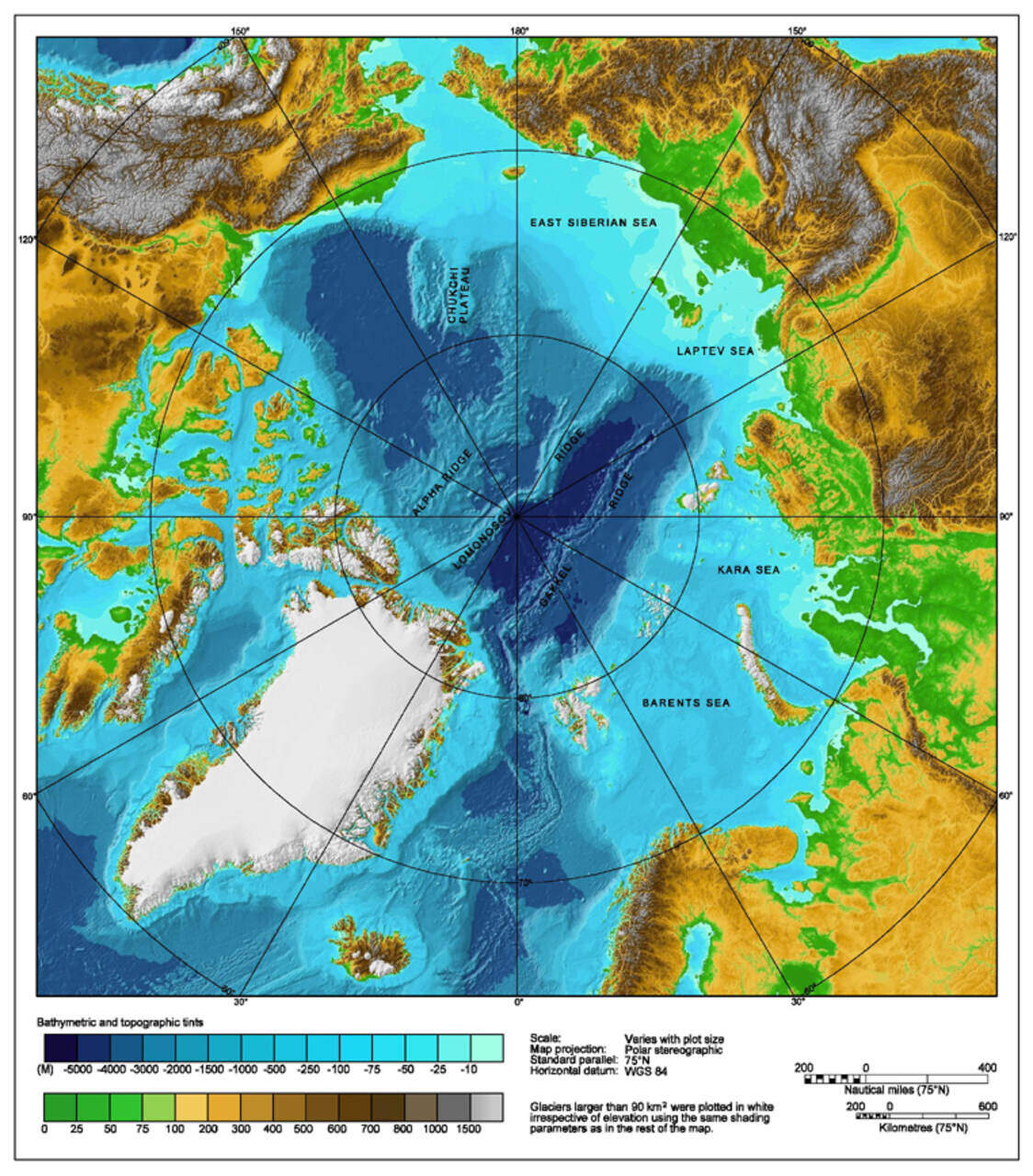
Due to the low water temperatures, theArctic Ocean absorbs a particularly high amount of CO2 compared to its size. In the economy of the mitigating function of the oceans, which absorb about 30 percent of anthropogenic greenhouse gases from the atmosphere, polar and subpolar waters play a crucial role. In fact, this is where over 90 percent of CO2 absorption from the Earth's oceans.
The Arctic, however, is also the region most sensitive to climate change anthropogenic on Earth. Currently it is warming about four times faster of the rest of the world, and there was one factor that scientists had not considered: thepermafrost erosion caused by warming will transport significant amounts of organic matter into the ocean, affecting the ability of seawater to absorb CO2.
This is the result of the study published by the Cluster of Excellence CLICCS of theUniversity of Hamburg su “Nature Climate Change”, in which the Doctor David Nielsen and his team have shown for the first time in climate models how significant this effect could be in the future.
"We should be grateful that our oceans absorb a significant percentage of greenhouse gases.“, says Nielsen, “but this ecosystem service may not continue to be as strong as in the past".
"To determine whether we can continue to count on this effect in the future too", explains, "We must first understand more deeply the mechanisms of CO2 absorption".
The Arctic Ocean will absorb less and less CO2
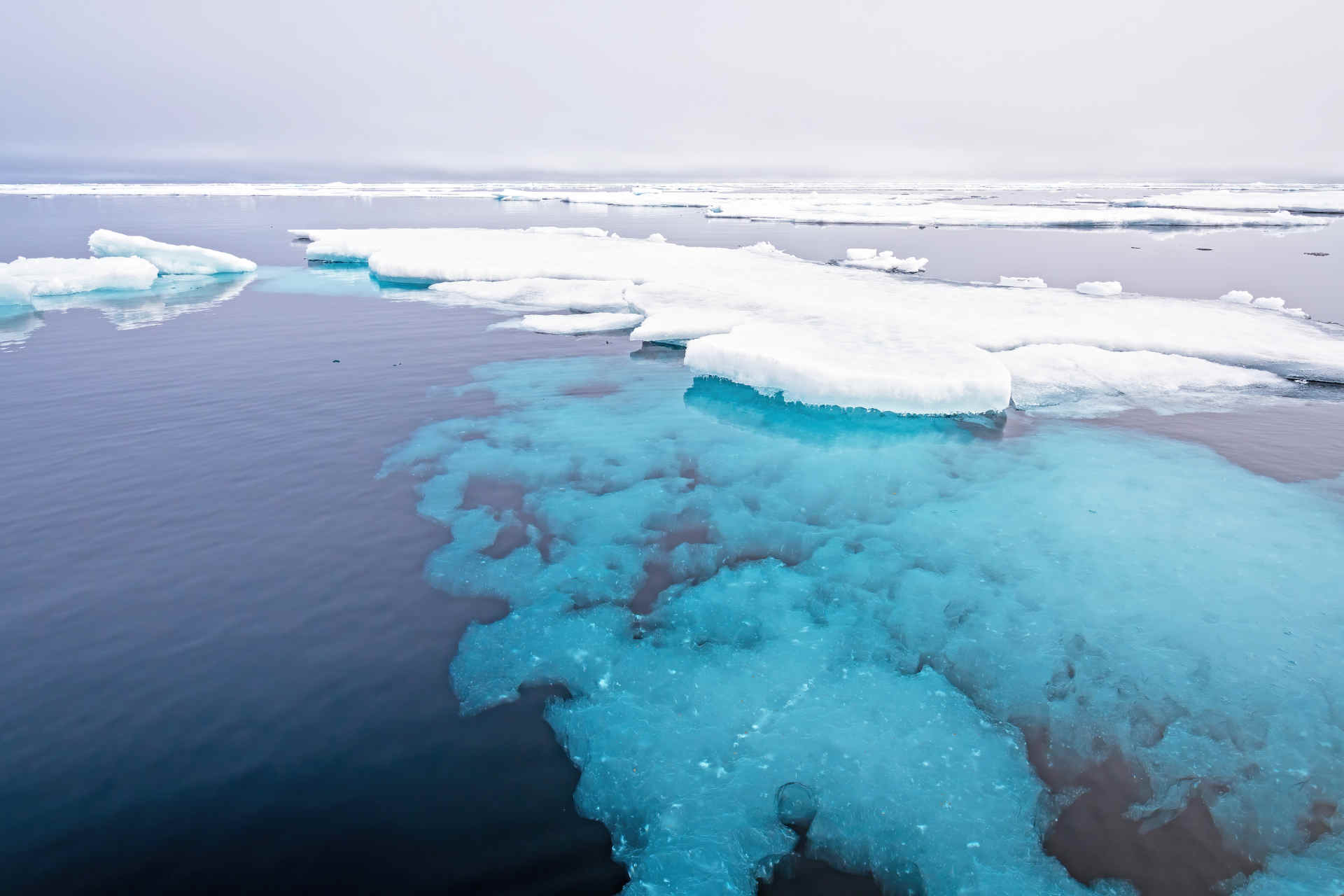
When stretches of coastline that have been frozen for millennia thaw and crumble, enormous amounts of soil and sediments are released into the ocean. How these particles react to seawater depends on their composition, but in all cases their organic components increase the carbon content of water, which reduces its ability to absorb CO2 from the air.
According to the team's calculations, the inner Arctic Ocean will experience a decrease in absorption of between 10 and 15 percent. For every year and for every degree Celsius of temperature increase, the Arctic Ocean will absorb one to two million metric tons of CO2 less from the atmosphere than previously hypothesized.
As the study states, “The annual increase in atmospheric CO2 due to erosion between now and 2100 is equivalent to about half of what was emitted by fossil fuel combustion by cars in Germany in 2021, or about 10 percent of emissions of cars in Europe in the same year".
Permafrost erosion all in climate models
To reach these conclusions, scientists represented thecoastal permafrost erosion a Earth system model and ran simulations with different properties of permafrost organic matter, such as sink fraction and nutrient content.
Once eroded, in fact, the organic material can take several paths, which affect the ocean's ability to absorb CO2 in very different ways. Organic matter can be degraded into inorganic carbon, and thus increase the partial pressure of CO2 in the ocean, it can increase primary production, or it can settle to the bottom and be buried in the ocean sediments, where remineralization is slower.
The impact of permafrost erosion on the mitigating function of the Arctic Ocean will depend on the interaction of all these processes: “The greatest impact occurs in simulations with nutrient-free, low-density (mostly floating) organic matter.", we read in the study, but all simulations give the same result: coastal erosion reduces the absorption of CO2 from the atmosphere in the Arctic Ocean.
Currently, permafrost is eroding at a rate of 0,5 meters per year, and supplies the ocean with quantities of organic oxygen comparable to all the Arctic rivers combined. This phenomenon is accelerating at an alarming rate: according to scientists' predictions, the rate of erosion will increase by a factor of 2-3 by the end of this century.
- effects of erosion, however, had never been considered in Earth system models. The work of Dr. Nielsen and colleagues will allow this important phenomenon to be considered in future ratings of climate change.
Here are three insights that might interest you:
How micro and nanoplastics end up in the Arctic ice
GreenFjord, the life of Greenland's glaciers concerns everyone
The retreat of glaciers could create new ecosystems by 2100